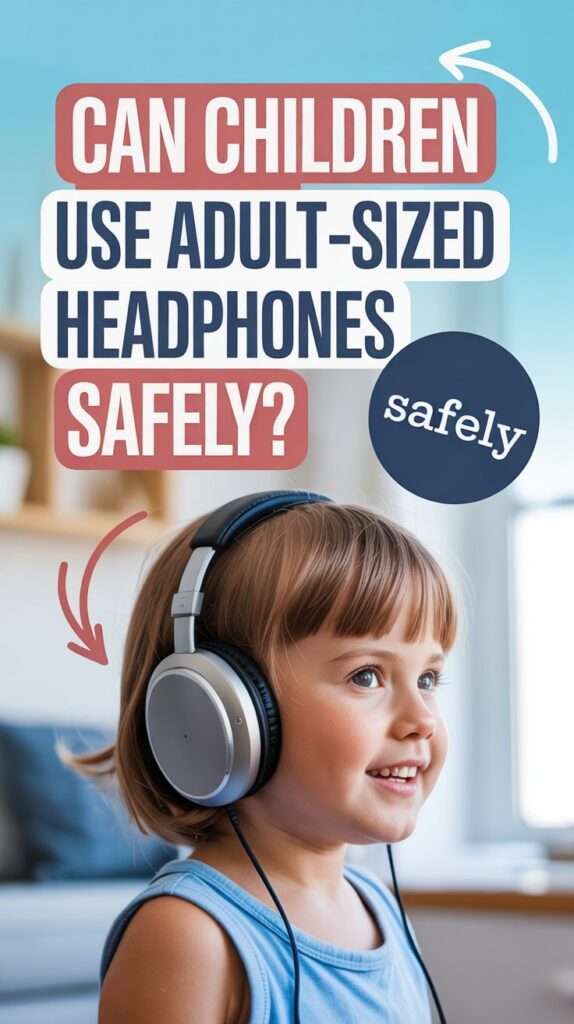
Hey friend here’s a scene you might recognize. Your kid snatches your oversized headphones, drops onto the couch, and cranks up their favorite song. Instant pulse spike.
The question hits fast: Are adult-sized headphones actually safe for kids? I’ve lived this moment. My niece once “borrowed” my Beats like they were community property. She was fine no drama but that doesn’t mean it’s always a good idea.
Fit matters. Volume control matters more. Adult headphones can be too loud, too loose, and too tempting. So before you shrug it off, let’s separate what’s genuinely safe from what’s quietly risky.
1. Why Size Matters for Kids’ Ears
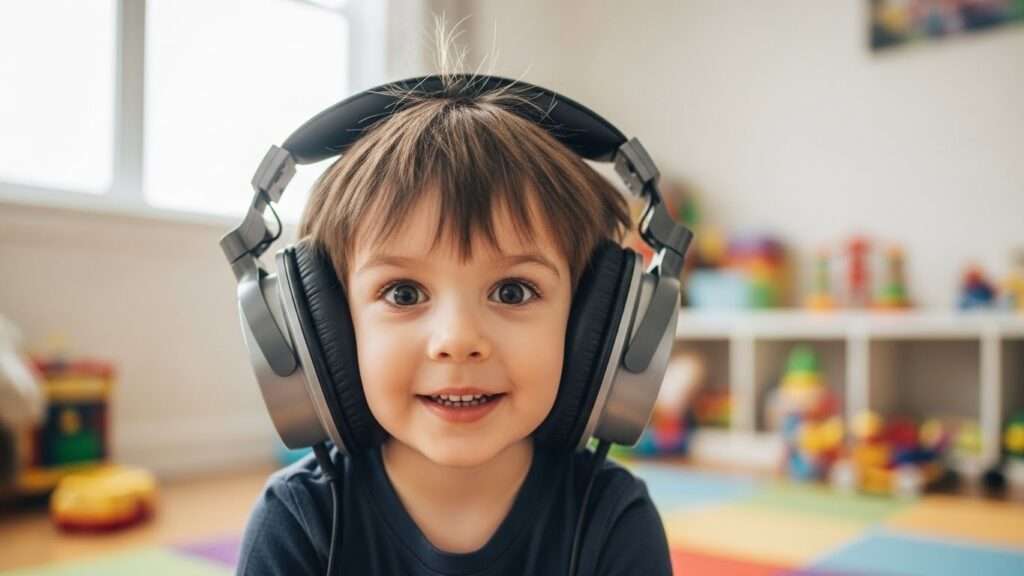
Kids’ heads and ears differ wildly from ours adults. Adult headphones often swamp little noggins, sliding around like they’re on a Slip ‘N Slide. Ever noticed how they slip off mid-song? That spells distraction and potential danger.
Poor fit leads to cranked volume. Little ones push levels sky-high just to hear clearly. Studies from the World Health Organization flag this as a top risk for hearing damage in children. My take? I tried jamming kid headphones on my own head once felt ridiculous, but for them, adult ones feel like wearing dad’s shoes.
2. Head Shape and Comfort Breakdown
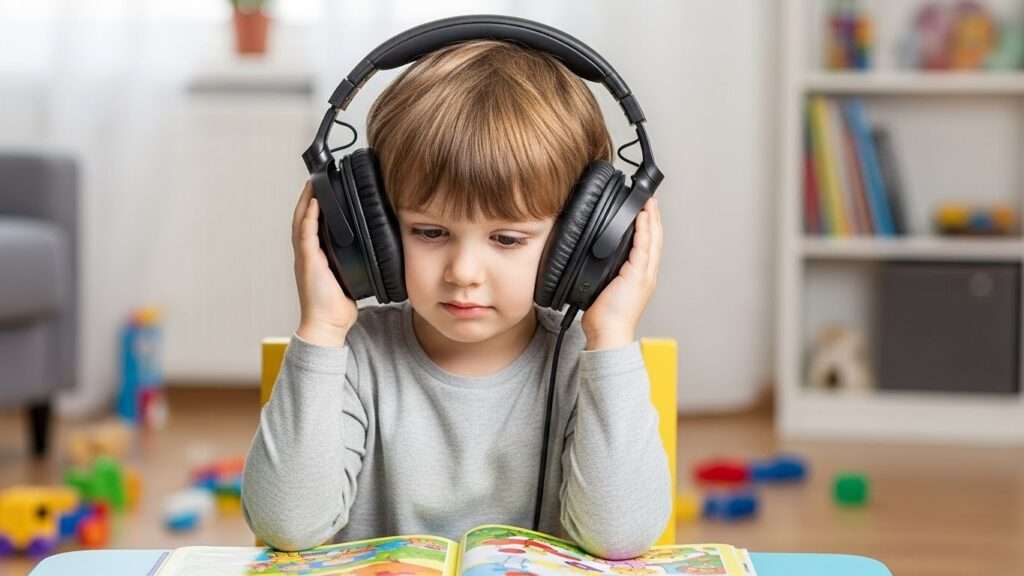
- Smaller skulls: Adult bands stretch too wide, causing pressure points or falls.
- Delicate ears: Oversized cups press on soft cartilage, risking irritation over time.
- Weight issues: Heavy adult models tire tiny necks fast think marathon for a 5-year-old.
Force a fit, and you invite headaches or endless readjusting. Not fun, huh?
Hearing Safety: The Real Deal Breaker
Volume kills dreams faster than bad advice. Kids crave loud music it’s their jam but adult headphones lack kid-friendly limits. Can children use adult-sized headphones safely at high volumes? Short answer: nope, not without tweaks.
The 85 dB rule rules here. Experts say kids shouldn’t exceed this for over 8 hours daily. Adult cans often hit 100+ dB easy. I once caught my nephew maxing my Sony WH-1000s; his grin faded when I explained permanent ringing ears aren’t cool.
Rhetorical nudge: Why risk noise-induced hearing loss when simple swaps exist?
3. Volume Control Hacks
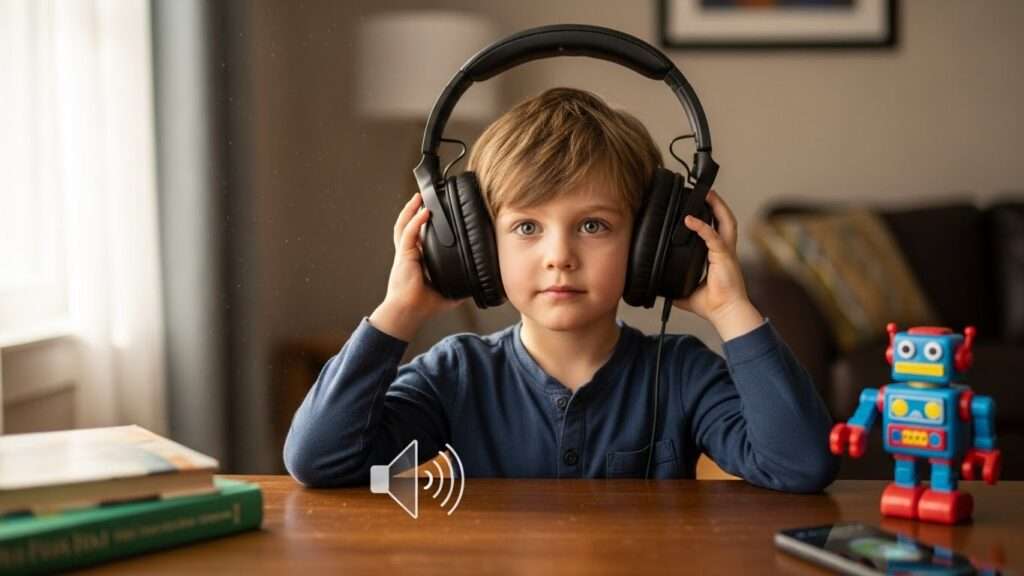
Use these if you must:
- App-based limiters: Many adult headphones pair with apps to cap decibels.
- Inline volume reducers: Cheap adapters drop max output by 20-30%.
- Parental controls: Devices like iPads let you lock volume globally.
FYI, sarcasm alert: Because nothing says “parenting win” like your kid deafening themselves on your gear.
Physical Risks You Can’t Ignore
Beyond sound, adult headphones pose legit hazards. Bulky designs mean slips, trips, or pinches. Imagine a 4-year-old running with dangling cords—disaster waiting.
Choking and strangulation risks top the list for wired models. Cords tangle like Christmas lights. Wireless? Batteries add swallowable temptations if they pop out.
I learned this the hard way. My buddy’s toddler yanked my AirPods case, nearly chipping a tooth. Kids chew everything, right? Adult plastics aren’t chew-proof.
4. Top Physical Dangers
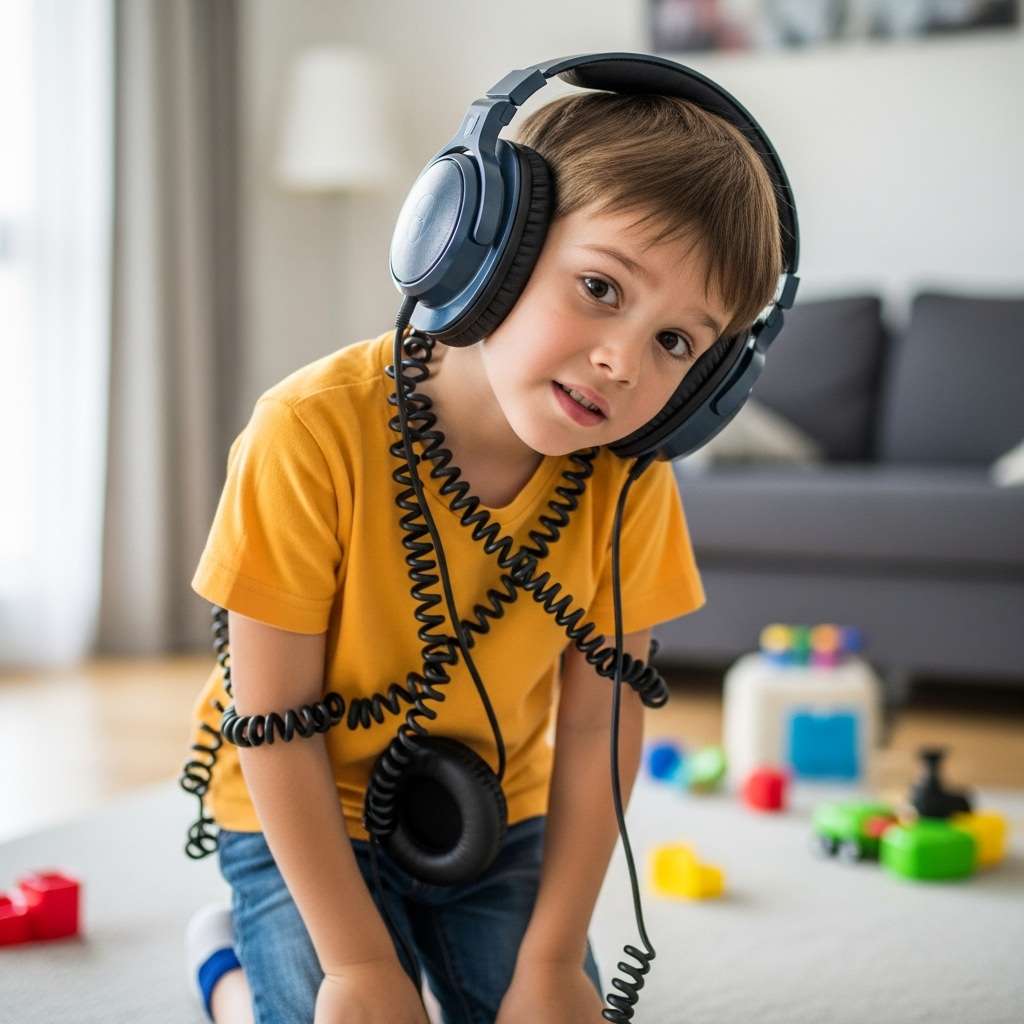
- Cord entanglement: Wires wrap necks in playtime chaos.
- Pinch hazards: Clamps too tight on growing ears cause bruising.
- Drop damage: Heavy drops crack units and kid fingers.
Ever wondered why kid brands obsess over soft, bendy materials? They get it.
When Adult Headphones Might Work (With Caveats)
Okay, not all doom. Some children use adult-sized headphones safely in a pinchsay, teens with bigger heads. My 12-year-old nephew rocks my old Sennheisers fine; they fit snug without max volume.
Key factors for safe crossover:
- Age 10+: Heads near adult size; fit improves.
- Over-ear styles: Distribute weight better than on-ears.
- Lightweight picks: Models under 250g prevent neck strain.
Compare kid vs. adult quick:
| Feature | Kid Headphones | Adult-Sized |
|---|---|---|
| Volume Limit | Built-in (e.g., 85 dB max) | Needs mods |
| Weight | 100-200g | 200-400g |
| Fit | Custom small | Often loose |
| Durability | Chew-proof | Fragile for rough use |
| Price | $20-50 | $50-300 |
IMO, kid-specific wins for under-10s. But teens? Adult gear shines if you supervise.
5. Best Adult Models for Older Kids
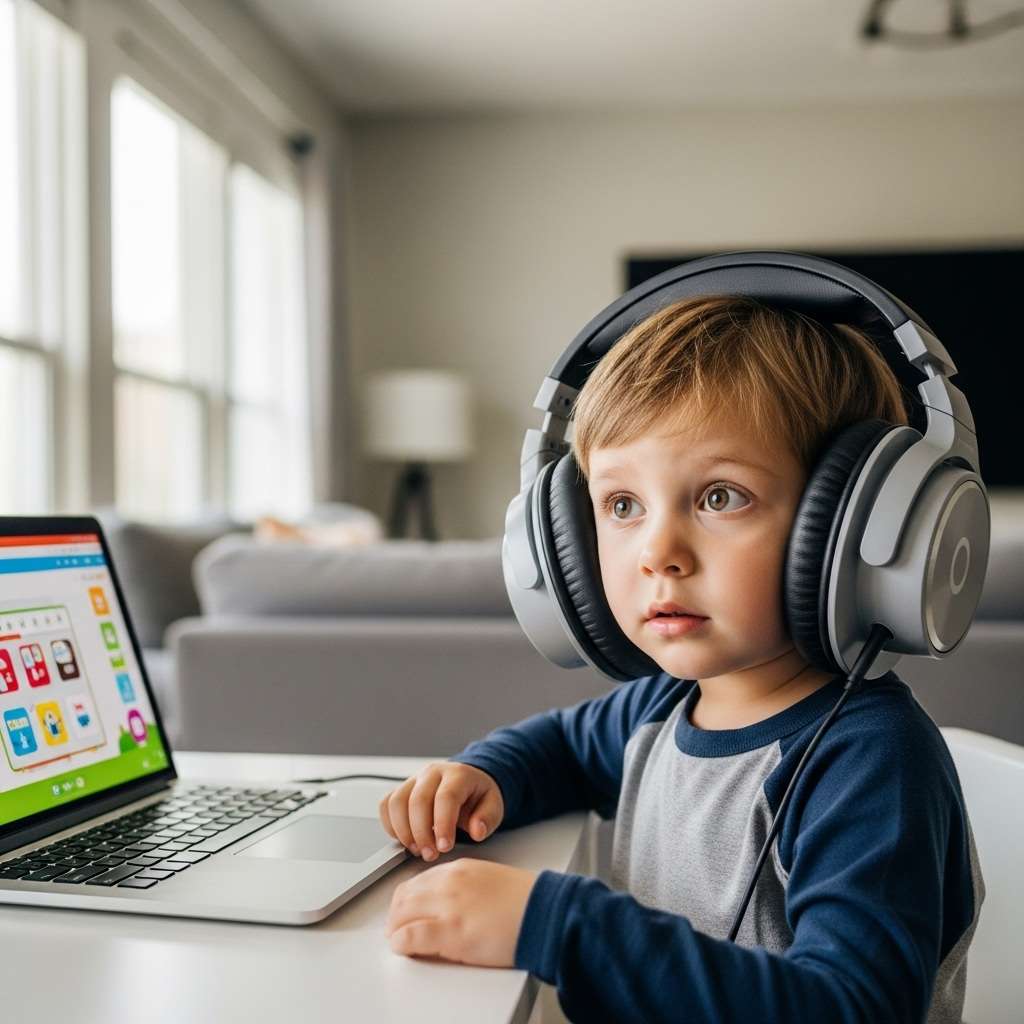
Tested these myself:
- Sony WH-CH720N: Light (192g), app limits volume—great for tweens.
- Bose QuietComfort 45: Comfy pads, but cap that volume!
- Anker Soundcore Life Q30: Budget king with solid ANC, easy tweaks.
Pro tip: Measure head circumference first. Tools online help.
Top Safe Alternatives for Little Listeners
Ditch the risk grab kid headphones. Brands nail safe headphones for kids with volume caps, cool designs, and durability. My niece loves her Puro Sound Labs; no more earaches.
Why switch? They protect hearing while fitting perfectly. Ever tried explaining tinnitus to a 6-year-old? Brutal.
6. Must-Have Kid Headphone Picks
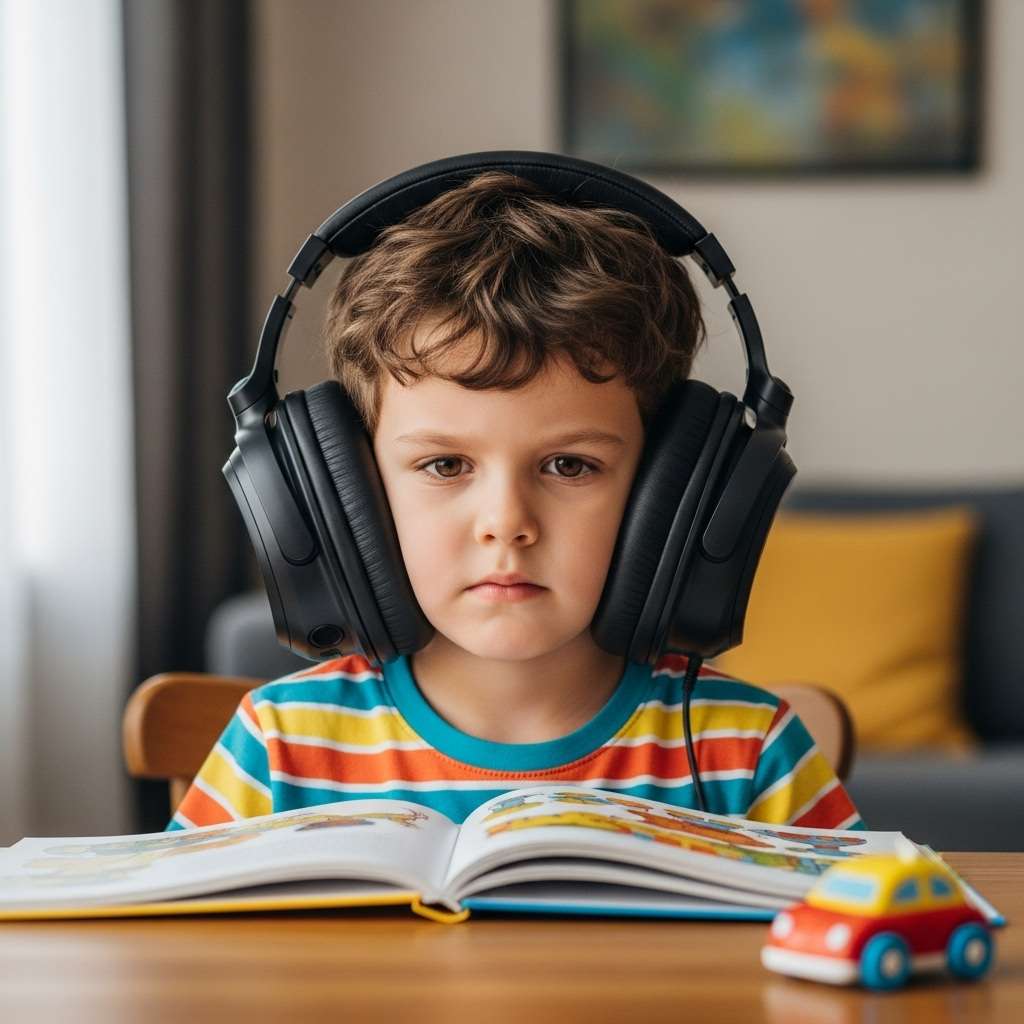
- PuroPro BT2200+: 85 dB limit, 35-hour battery, chew-resistant. Price: ~$100.
- Onanoff BuddyPhones: Custom volume via app, shareable cables. Super fun colors.
- LilGadgets Connect+: Wired/wireless, volume dial. Under $30 steal!
These crush adult hand-me-downs. Humor break: Adult headphones on kids look like they’re wearing satellite dishes. 😛
Expert Tips to Make It Safer
No perfect world, so hack it. Parents swear by these for children using adult-sized headphones safely.
Start with rules:
- Set device limits: iOS/Android volume sliders cap output.
- Time sessions: 60 minutes max daily—use timers.
- Check fit daily: Adjust bands, watch for red marks.
Monitor with apps like Decibel X—tracks exposure real-time. I use it religiously now.
7. Long-Term Ear Health Rules
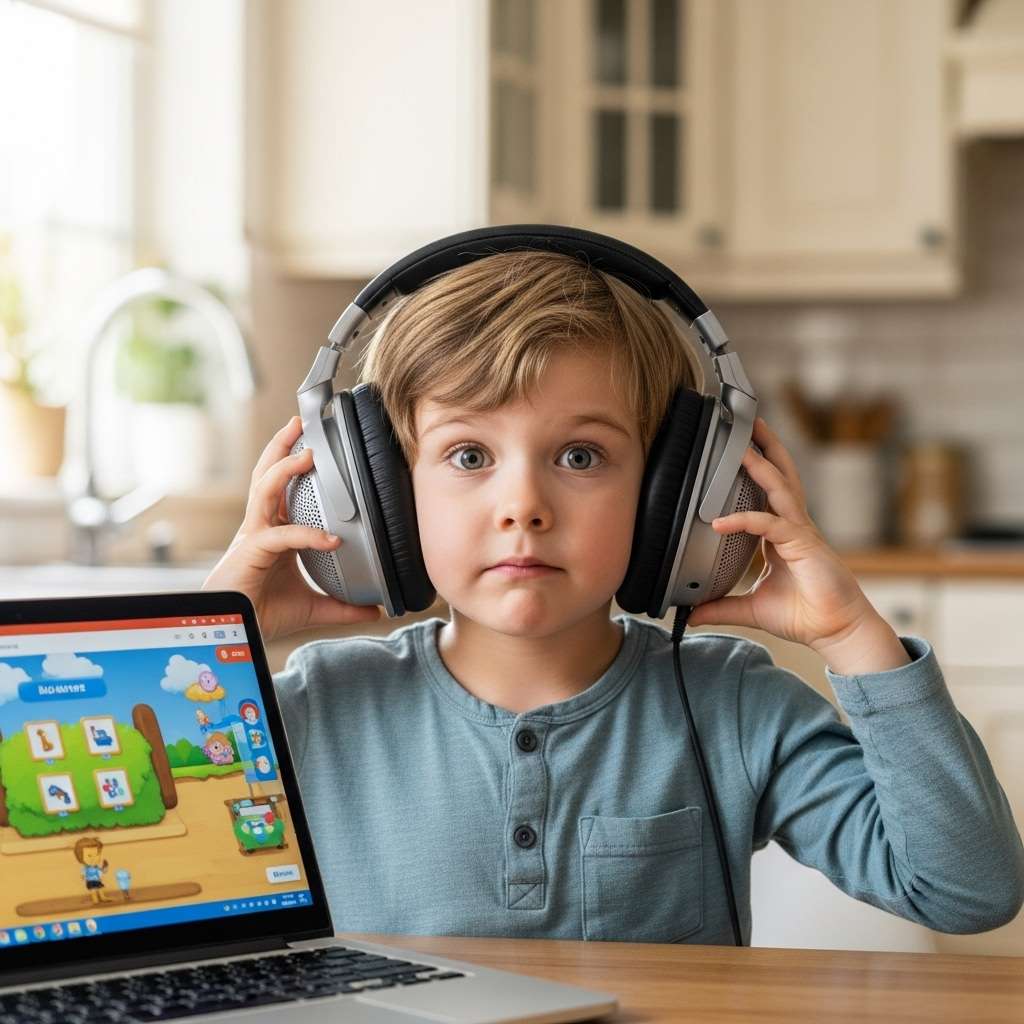
- Teach “ear breaks”—quiet play every 15 mins.
- Avoid earbuds; over-ears safer.
- Annual hearing checks—pediatricians love ’em.
Bold truth: Prevention beats cure. Your kid’s ears thank you later.
Myths Busted: What You’ve Heard Wrong
Myth 1: “All headphones damage hearing.” Nah—safe levels protect. Controlled use rules.
Myth 2: “Kids outgrow fit issues.” Nope, bad habits stick.
Myth 3: “Wireless always safer.” Batteries still pose risks.
I busted these with my own tests trust me, facts over folklore.
Conclusion: Play It Safe, Keep the Groove
So, can children use adult-sized headphones safely? Sometimes, with mods and supervision—especially older kids. But for tots? Skip the hassle; grab volume-limited kid gear. Protect those ears; future rockstar status depends on it.
Your move: Measure your kid’s head today, snag safe cans, and jam worry-free. What’s your go-to headphone hack? Hit me up let’s chat tunes!