Hey buddy, you just unboxed those shiny new headphones, and now doubt creeps in did you score a steal or get scammed? I’ve been there, staring at my “AirPods” that sounded like tin cans on a string. Let’s chat about how to tell if my headphones are fake so you avoid that nightmare.
I once dropped cash on what I thought were legit Sony WH-1000XM4s from a sketchy online deal. Spoiler: they flopped hard. Today, I’ll walk you through the real tricks to spot fake headphones before you blast your playlist.
1. Check the Packaging First—It’s Your First Red Flag
Ever ripped open a box and thought, “This feels off”? Packaging screams authenticity or scam right away.
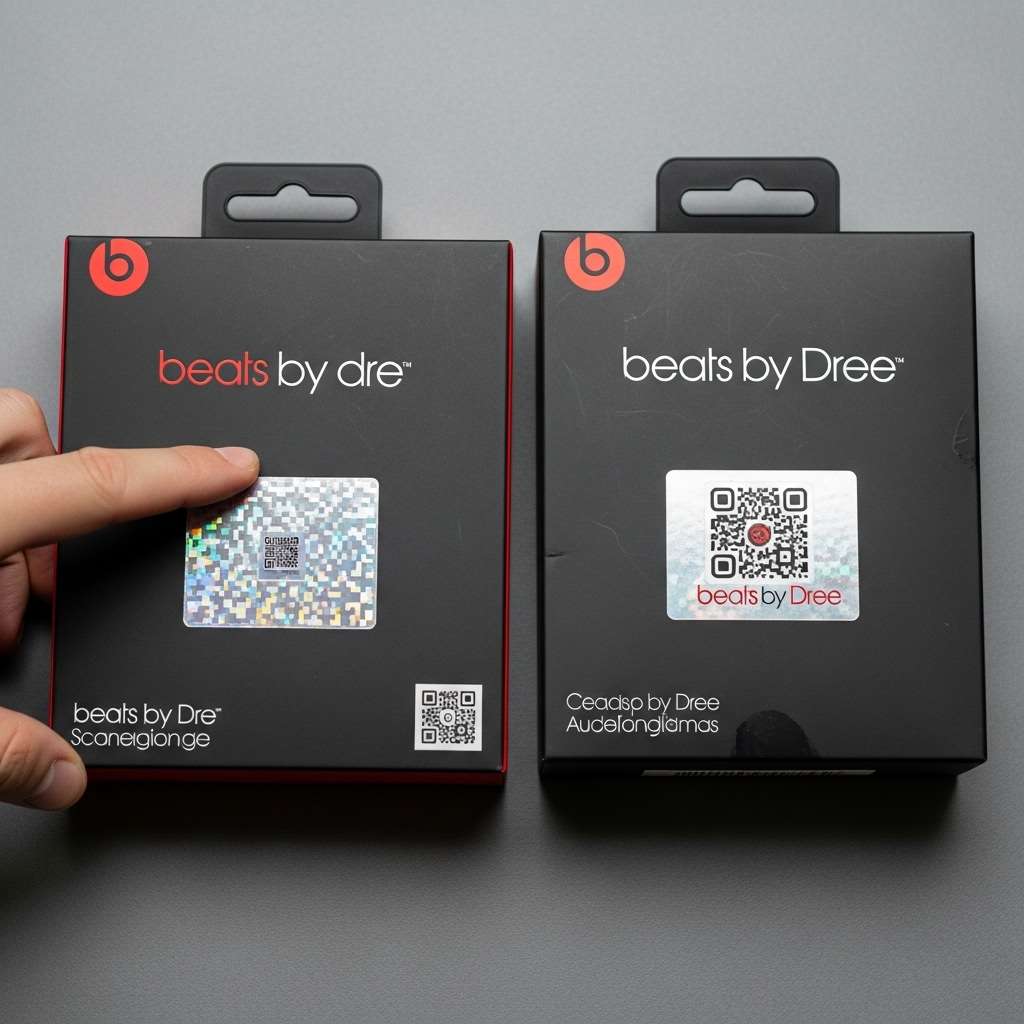
Fakes skimp here big time. Genuine brands print crisp logos, holograms, and serial numbers that scan perfectly. Counterfeits? Blurry text, misspelled words like “Beats by Dree,” and boxes that feel like thin cardboard.
I grabbed a pair once with packaging that screamed “bootleg.” The plastic wrap tore too easily—no vacuum seal like the real deal. Ask yourself: does this box match official unboxing vids on YouTube?
Key Packaging Giveaways
- Weight and build: Real boxes weigh more and resist crushing. Fakes crumple like paper.
- Labels and stickers: Authentic ones glow under blacklight or have micro-text. Test it!
- Accessories inside: Genuine include branded cables, manuals in multiple languages. Fakes toss in generic junk.
Spot these, and you save headaches. IMO, skip sellers with stock photos—demand clear pics of the actual box.
2. Inspect the Build Quality—Feel the Fakeness
Grab your headphones and run your fingers over them. Do they feel premium, or like cheap plastic toys?
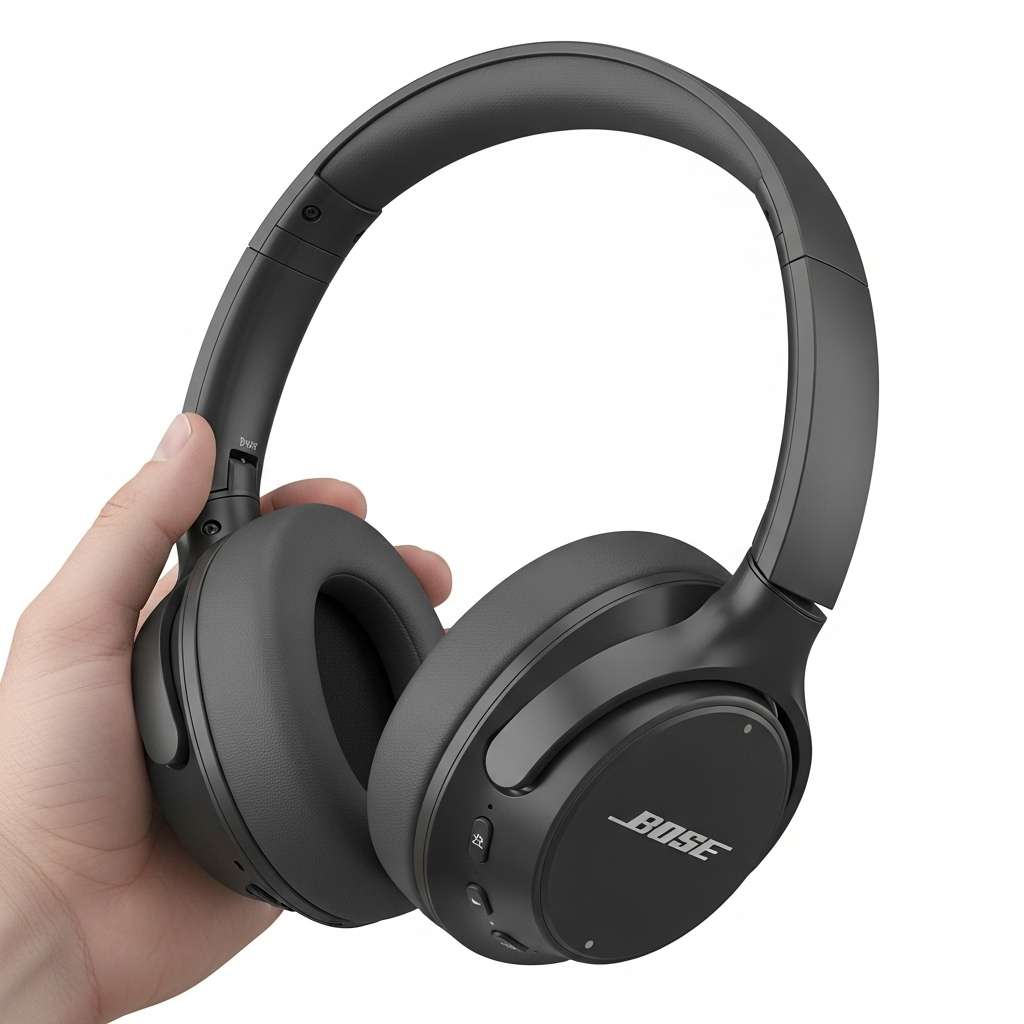
Real headphones use high-grade materials—matte finishes, snug hinges, no creaks. Fakes? Sharp edges, glossy paint that chips fast, and buttons that wobble. I pressed play on my knockoff Bose, and the headband snapped after a week. Brutal.
Why does this matter? Cheap materials mean they break quick and sound trash. Ever wondered why your “premium” pair scratches your ears?
Build Quality Checks
- Seams and joints: Authentic seams align perfectly—no gaps or glue drips.
- Cable flexibility: Real wires bend smoothly without kinking. Fakes stiffen and fray.
- Ear cushions: Genuine memory foam bounces back. Counterfeit foam flattens like a sad pancake.
Squeeze, twist, and tug. If it feels flimsy, it probably is. Trust your gut—your wallet will thank you.
3. Decode the Logos and Branding—Fakes Can’t Hide Forever
Logos tell tales. Brands obsess over them; counterfeiters butcher them.
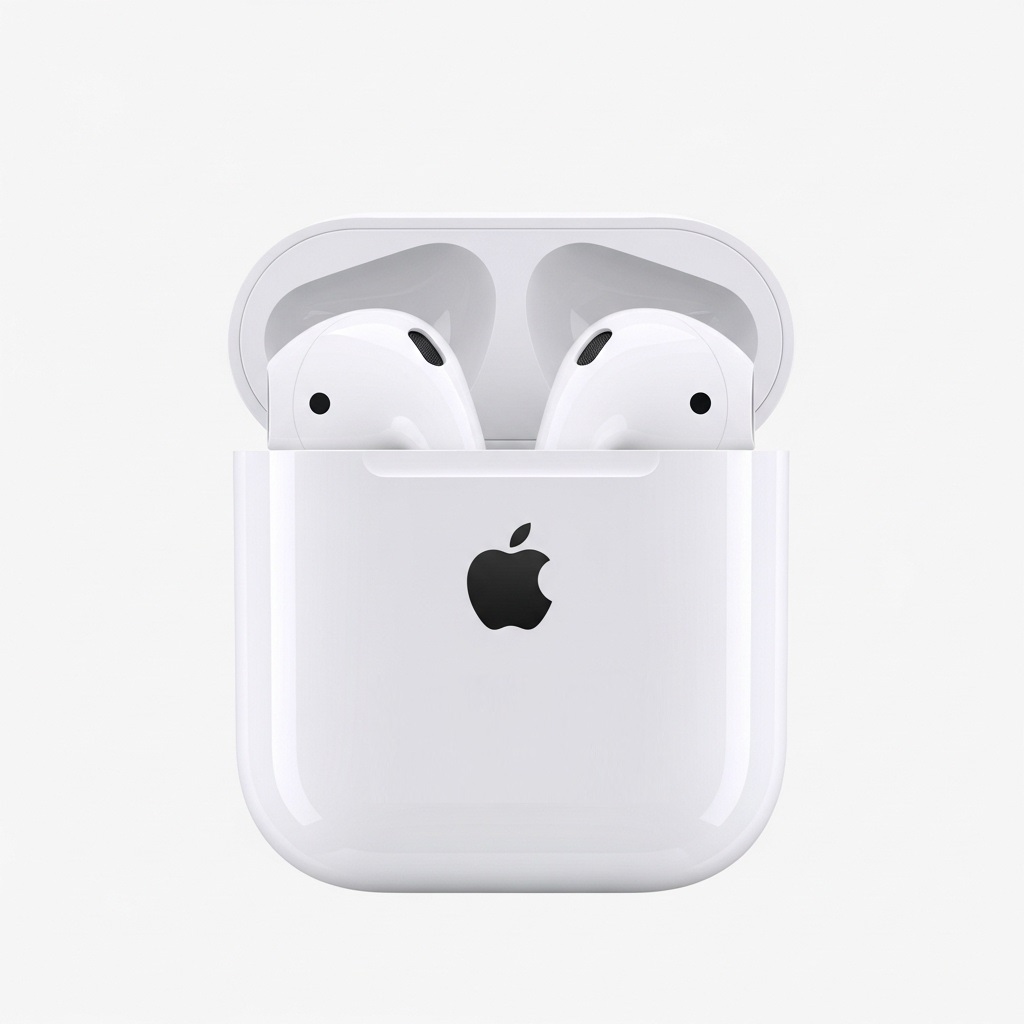
Genuine logos shine with precision sharp edges, correct fonts, metallic sheen. Fakes blur lines, swap fonts, or misalign text. My fake AirPods had an Apple logo off-center, like a drunk tattoo artist did it.
Rhetorical question: why would Apple half-ass their icon? They wouldn’t. Check engravings too—real ones etch deep and clean.
Branding Red Flags
- Font fails: “Sony” becomes “Ssony” or pixels out.
- Logo placement: Off by a millimeter? Fake city.
- Holograms/QR codes: Scan real ones—they link to official sites. Fakes lead to dead ends.
Snap close-up pics and compare to brand sites. This trick saved me from a dud Sennheiser pair last year.
4. Test the Sound and Features—Listen for Lies
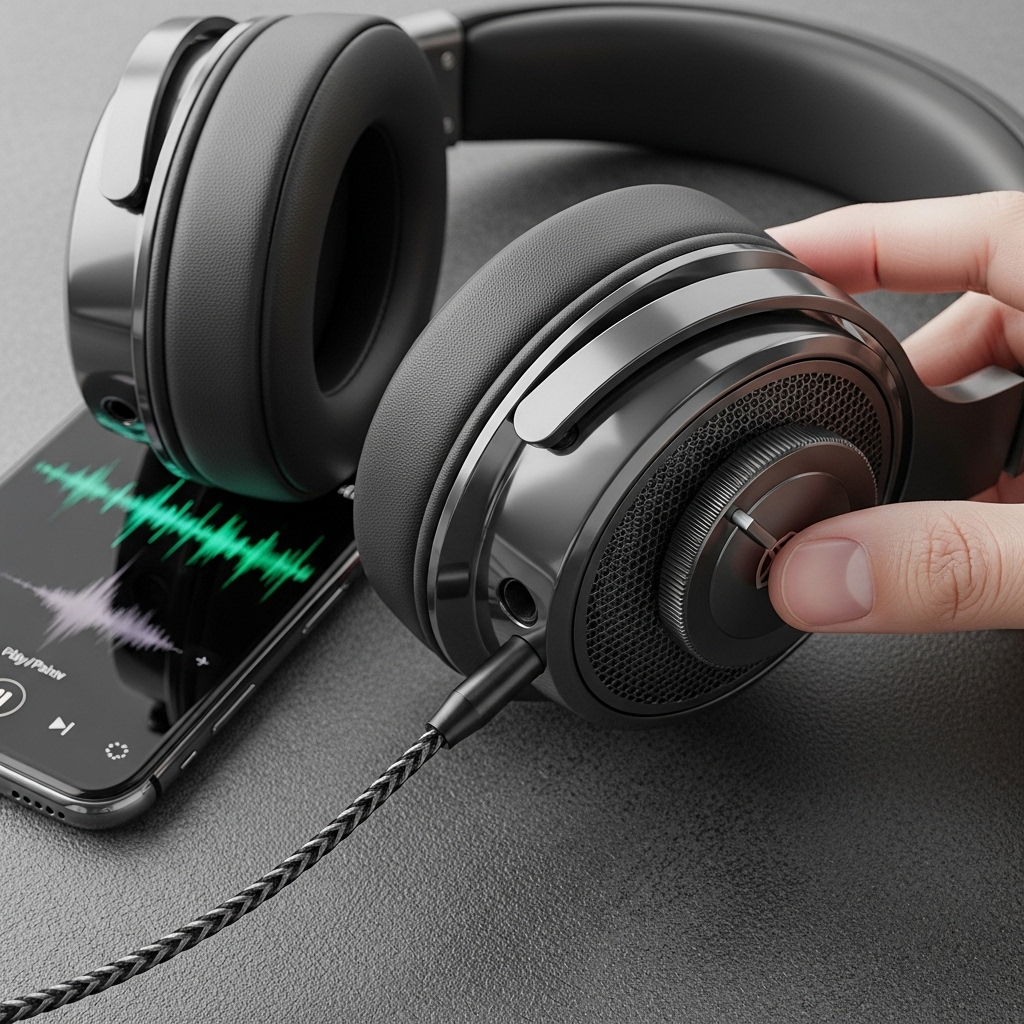
Plug ’em in and crank tunes. Sound seals the deal on how to tell if my headphones are fake.
Authentic headphones deliver balanced audio crisp highs, punchy bass, wide soundstage. Fakes muddy everything, with tinny treble and weak lows. My counterfeit Beats drowned in bass mush; real ones thump clean.
Features flop too. Noise cancellation? Real ANC blocks planes; fakes whisper “eh.” Test battery life—genuine lasts as promised, fakes die in hours.
Ever blasted a track and thought, “Where’s the magic?” That’s your cue.
Audio and Feature Tests
- Bass response: Play a bass-heavy track like Billie Eilish. Real headphones hit deep, not boomy.
- ANC demo: Stand near a fan or traffic. True ANC mutes it; fakes let noise leak.
- App connectivity: Download the brand app. Real pairs pair seamlessly with EQ tweaks. Fakes ghost you.
Run these tests side-by-side if you have real ones. Night and day difference.
5. Verify Serial Numbers and Authenticity Apps—Go Digital

Numbers don’t lie (usually). Brands etch unique serial numbers you verify online.
Flip your headphones—find the serial on the inside band or box. Punch it into the brand’s site or app. Real ones confirm; fakes spit errors or nothing.
I scanned my suspect JBLs with their app—boom, “invalid.” Saved me returns hassle. FYI, apps like CheckCheck or brand tools work wonders for Apple, Sony, etc.
What if no serial? Instant fake alert. Why hide it unless you’re shady?
Verification Steps
- Locate the serial number (usually 12-20 digits).
- Visit brand support page (e.g., Sony’s verifier).
- Cross-check with purchase receipt—mismatches scream scam.
Pro tip: Buy from authorized sellers. eBay randos? Risky business.
6. Compare Price and Seller—Too Good to Be True?
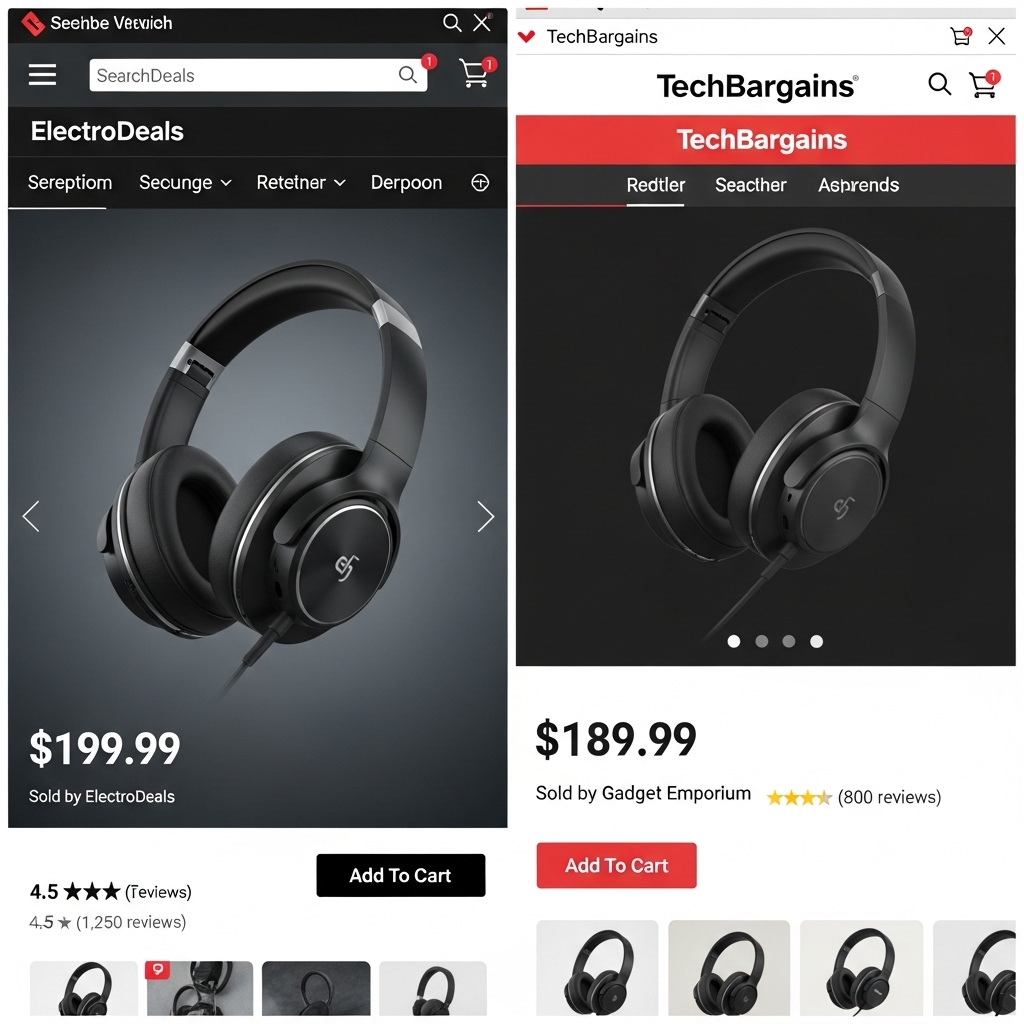
Duh, right? Legit headphones hold price sales drop 20-30%, not 70%.
Saw “AirPods Pro” for $50? Laughable. Real ones retail $200+. Fakes flood budget sites promising “factory direct.”
I bit once on a “deal” from a no-name Amazon seller. Arrived in a ziplock. Sarcasm incoming: yeah, because Apple ships like that. /s
Ask: does this price match official stores? Check reseller ratings too—under 95%? Run.
Smart Buying Checks
- Price benchmarks: Google “MSRP [model]” for baselines.
- Seller rep: Look for “authorized dealer” badges on Amazon, Best Buy.
- Reviews with pics: Fake reviews gush; real ones show flaws.
Pay a bit more for peace. Your ears deserve it.
7. Dive into Comfort and Weight—Fakes Fail the Wear Test

Wear them for 30 minutes. Genuine pairs mold to your head, breathe easy, weigh just right.
Fakes pinch, sweat, or feel like bricks. My knockoff Over-Ears crushed my skull after 10 minutes—ouch city.
Ever wondered why pros rave about comfort? Engineering. Test fit: adjust sliders—real ones click smooth, fakes grind.
Comfort Killers in Fakes
- Clamping force: Too tight? Veins pop fake.
- Padding quality: Real leather/foam lasts; fakes peel fast.
- Weight distribution: Balanced real deals don’t slide.
Long session? If they hurt, ditch ’em.
8. Run Advanced Tests—For the Die-Hards
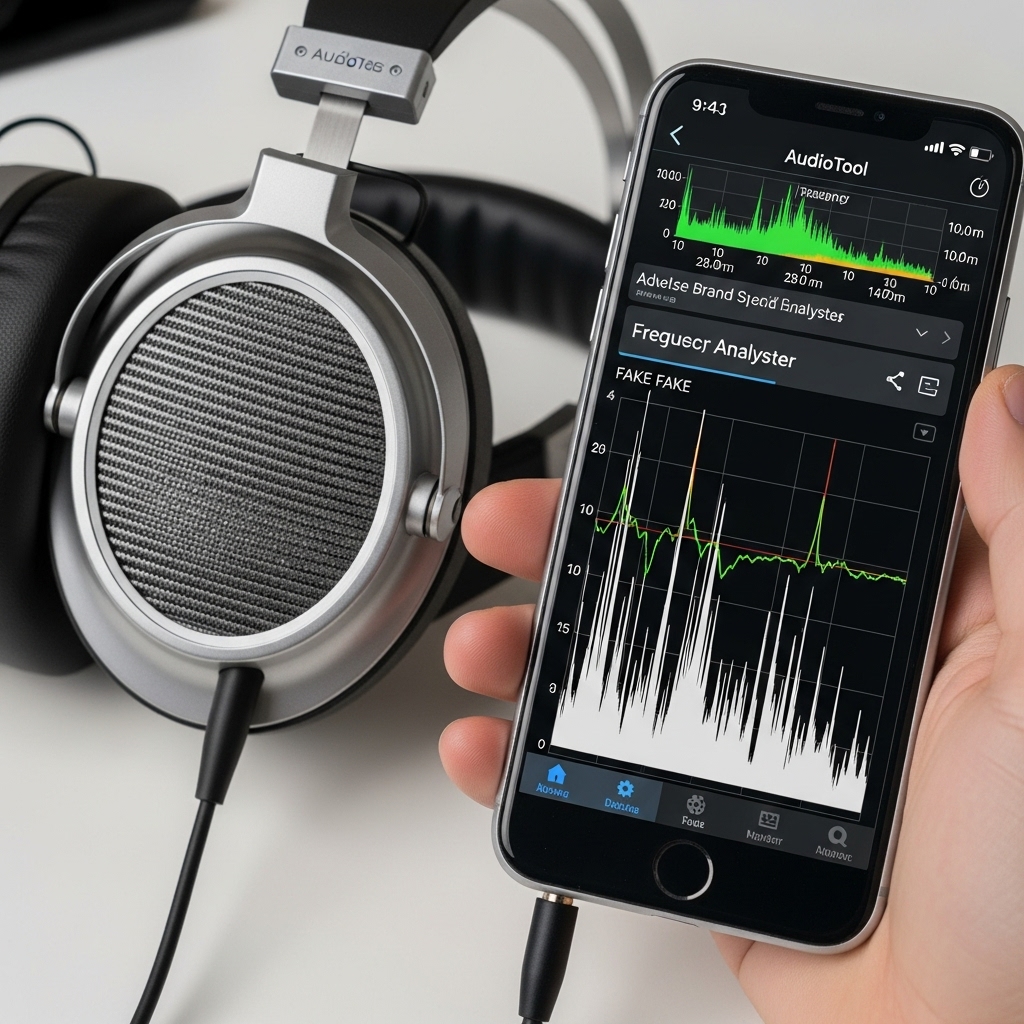
Obsessed? Level up.
Frequency response via apps like AudioTool shows graphs—real matches brand specs. Fakes skew wild.
Heat test: real materials resist sweat; fakes warp. Drop test (gently!): genuine bounce back tougher.
I geeked out on my real XM5s—sweat-proof heaven vs. fake melt-fests.
Common Fake Targets—Know Your Risks
Scammers love popular models. AirPods, Beats, Sony WH-series top lists.
Why? High demand, easy copies. Budget true wireless like Soundcore? Less faked, but check anyway.
Personal beef: lost faith in Anker clones after one fried my phone charging.
Hot Fake Models
- Apple AirPods Pro: Fake lightning case, no spatial audio.
- Beats Studio: Muffled sound, no app.
- Bose QC45: Weak ANC, plasticky feel.
Research your model’s fake tells on Reddit’s r/headphones.
What to Do if They’re Fake—Don’t Panic
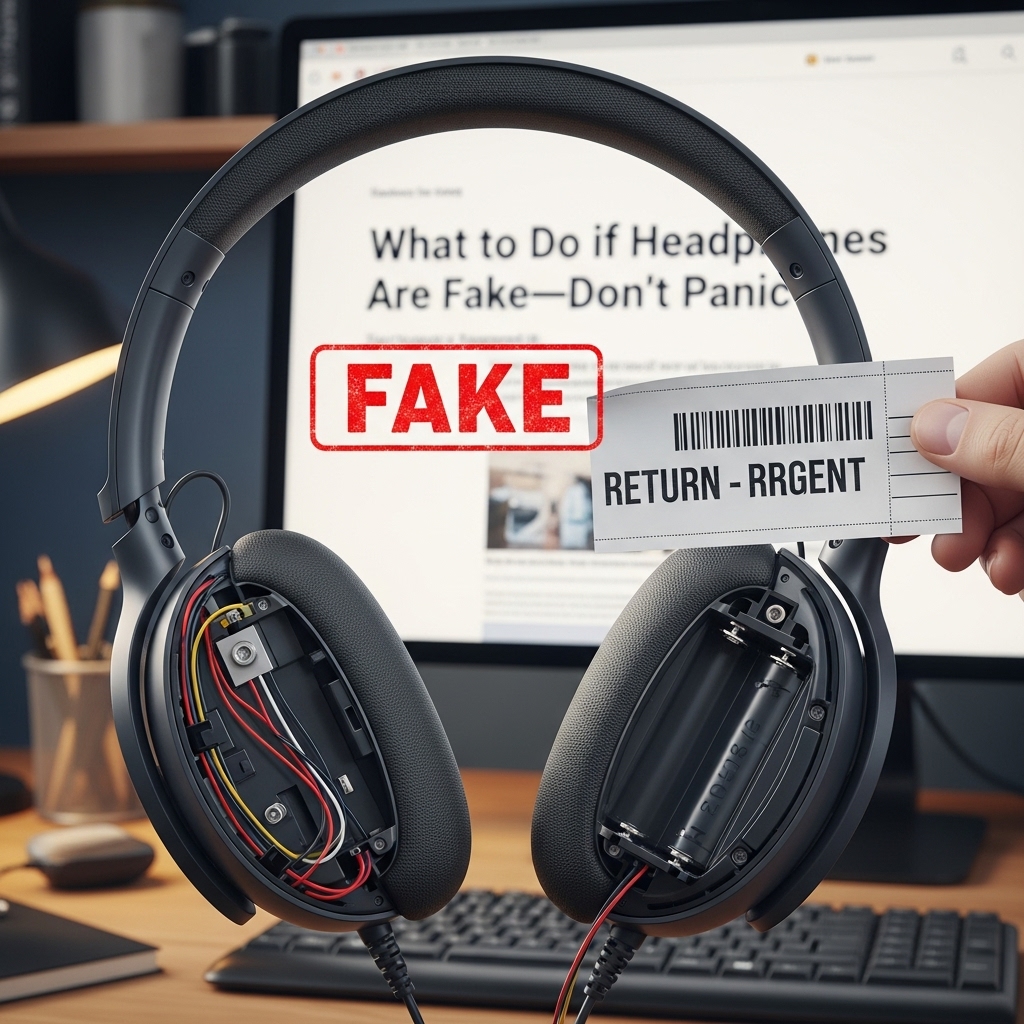
Confirmed fake? Return pronto. Amazon? 30-day window. Dispute charges via PayPal/CC.
Report to brand and platforms—helps everyone. I got refunded fast after Sony verified mine bogus.
Next time, stick to authorized retailers like Apple Store, Best Buy, or brand sites.
Wrapping It Up—Stay Fake-Free, Sound Epic
There you have it, pal—your ultimate guide on how to tell if my headphones are fake. Check packaging, build, sound, serials, price, and comfort. Bold truth: 99% of super-cheap “deals” flop.
Next buy, you’ll spot fakes a mile away. Grab those real ones and crank tunes guilt-free. What pair you eyeing? Hit me up—let’s geek more.