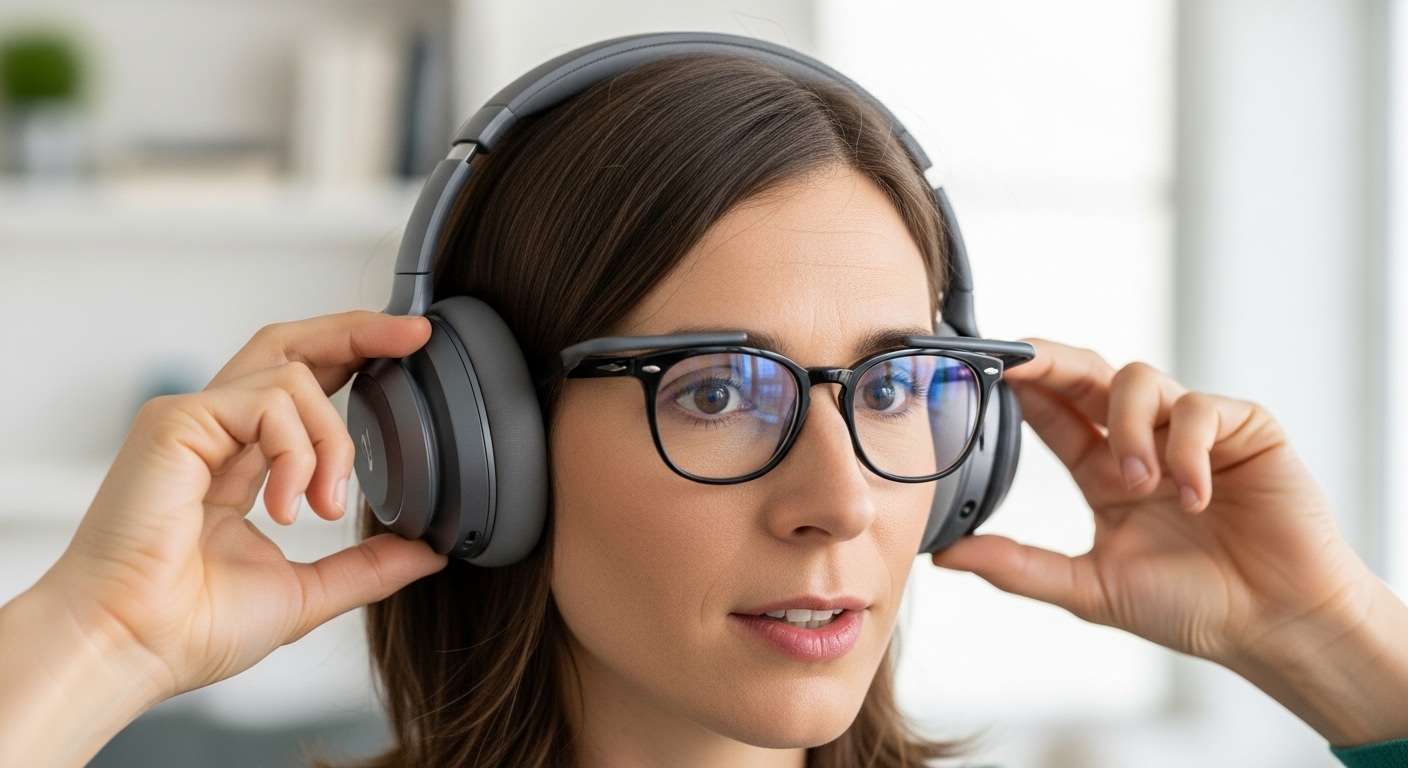
You know the feeling. You just bought a fresh pair of studio monitors or noise-canceling cans. You put them on, queue up your favorite track, and for the first twenty minutes, life is good. Then, it starts. That dull, throbbing ache right behind your ears where the headphone pads crush your glasses frames against your skull.
It’s the bane of the four-eyed audiophile’s existence.
I have worn glasses since the third grade and over-ear headphones for almost as long. I’ve spent decades fighting the “clamp of death.” If you think you have to choose between perfect vision and high-fidelity audio, think again. You just need the right strategy.
Let’s fix your setup so you can game, mix, or listen for hours without feeling like your head is in a vice.
1. Understanding the Enemy: Clamping Force
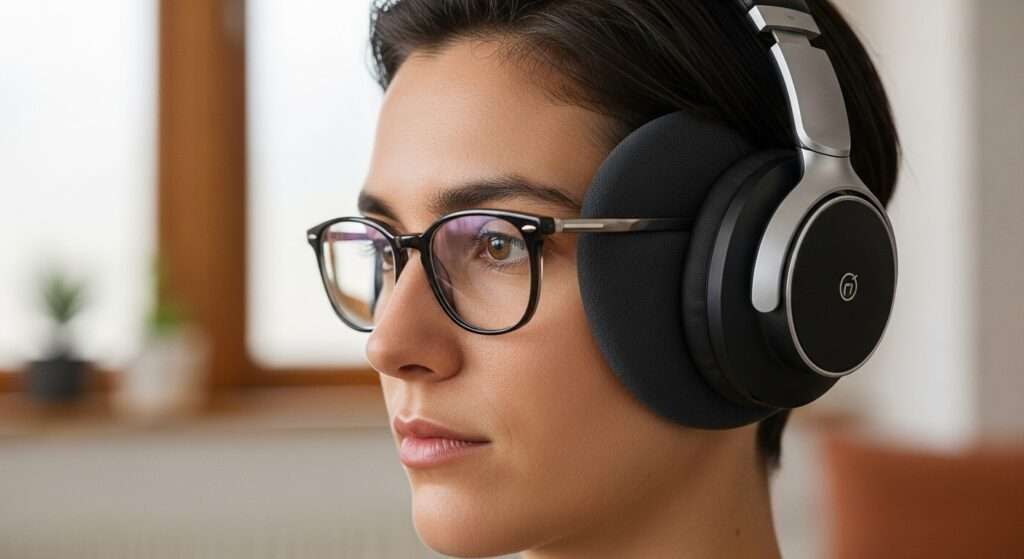
Before we fix the pain, we need to understand exactly what causes it. The culprit is clamping force. Headphone manufacturers design headbands to squeeze your head. They do this to create a seal around your ear. This seal keeps the bass in and the outside noise out.
For people with 20/20 vision, this works great. For us, that pressure drives the hard arm of our glasses (the temple) directly into the soft tissue behind the ear. It pinches the nerves and skin against the temporal bone. Ouch.
Why the Seal Matters
You might think, “I’ll just wear the headphones looser.” Bad idea. If you break that seal, you lose low-end frequency response. Your expensive headphones will sound tinny and weak.
Active Noise Cancellation (ANC) also relies on this seal. If air leaks in, the ANC algorithms freak out and fail to block the subway noise or your roommate’s phone call. The goal, therefore, isn’t to remove the pressure entirely but to redistribute it.
Technique 1: The “Lift and Rest” Maneuver
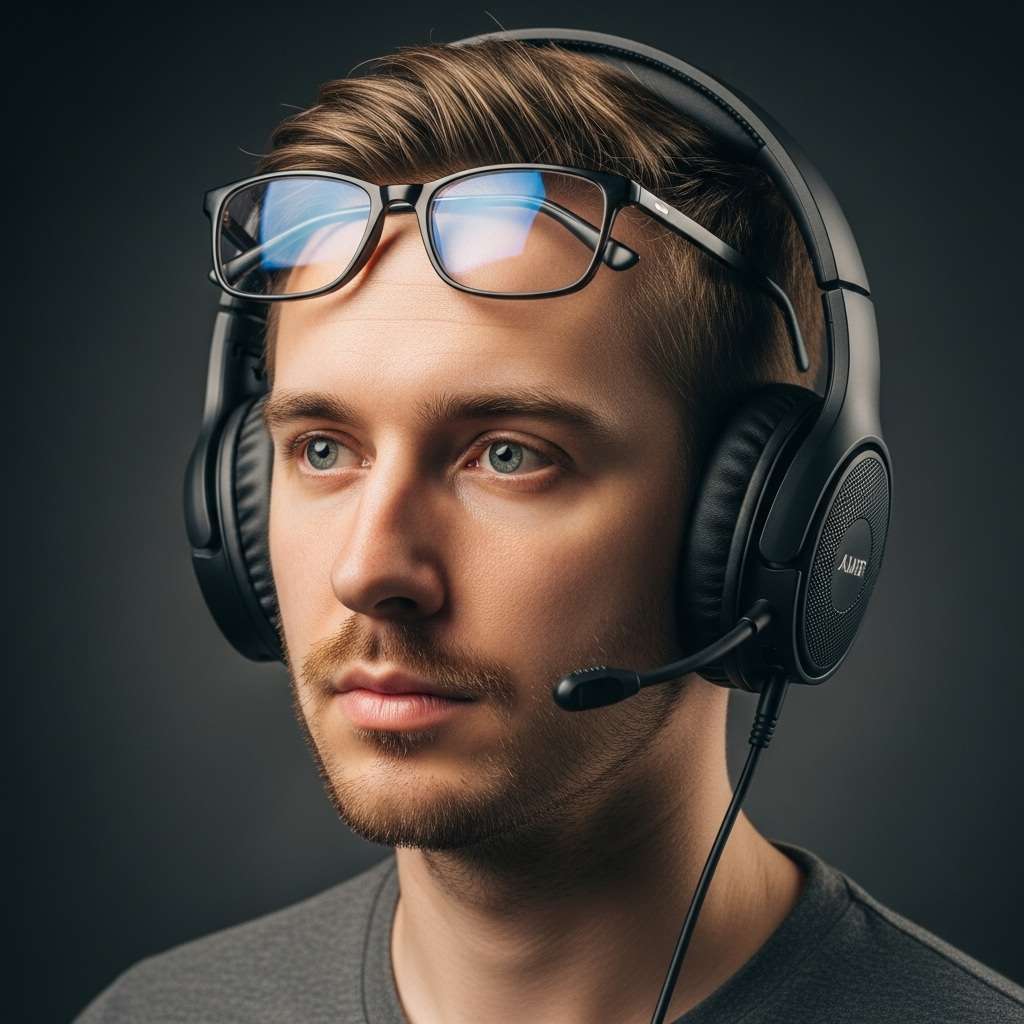
This is the easiest fix, and it costs zero dollars. Most people put their glasses on first, then slap the headphones over them. This traps the frame arms under the ear pads.
Try this instead:
- Put your headphones on first. Get them comfortable.
- Take your glasses and angle the temples above the ear cups.
- Rest the arms of your glasses on top of the headphone pads, angling the lenses down to your eyes.
Does it look ridiculous? Absolutely. You will look like a mad scientist. But if you are sitting alone at your desk gaming or working, who cares?
This completely removes the pressure from the side of your head. The headphones squeeze your skin, and the glasses float harmlessly on top. I do this during long editing sessions, and it saves me from massive headaches.
Technique 2: Stretching the Headband
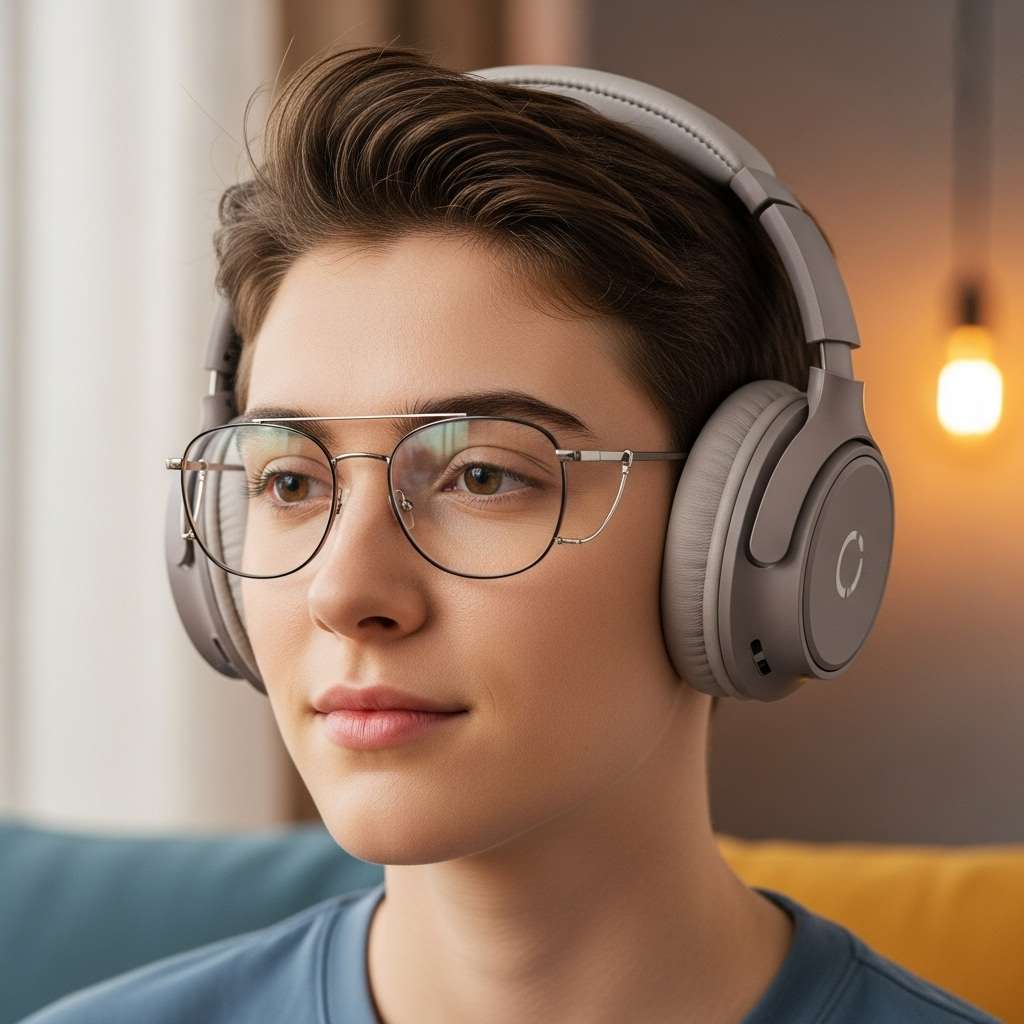
Most headphones come out of the factory with a grip tighter than a firm handshake. They expect you to headbang without them flying off. But you probably just sit in a chair, right?
You can permanently reduce the clamping force by stretching the headband.
Here is the safe way to do it:
- Find a stack of books or a yoga block that is slightly wider than your head.
- Clamp your headphones over the object.
- Leave them there overnight or for 24 hours.
Caution: Don’t go crazy here. If you stretch them too wide, the headband material might snap, or you will lose that crucial seal we talked about earlier. Start small. You can always stretch them more later, but you can’t un-stretch them.
Technique 3: Earpad Material is Everything
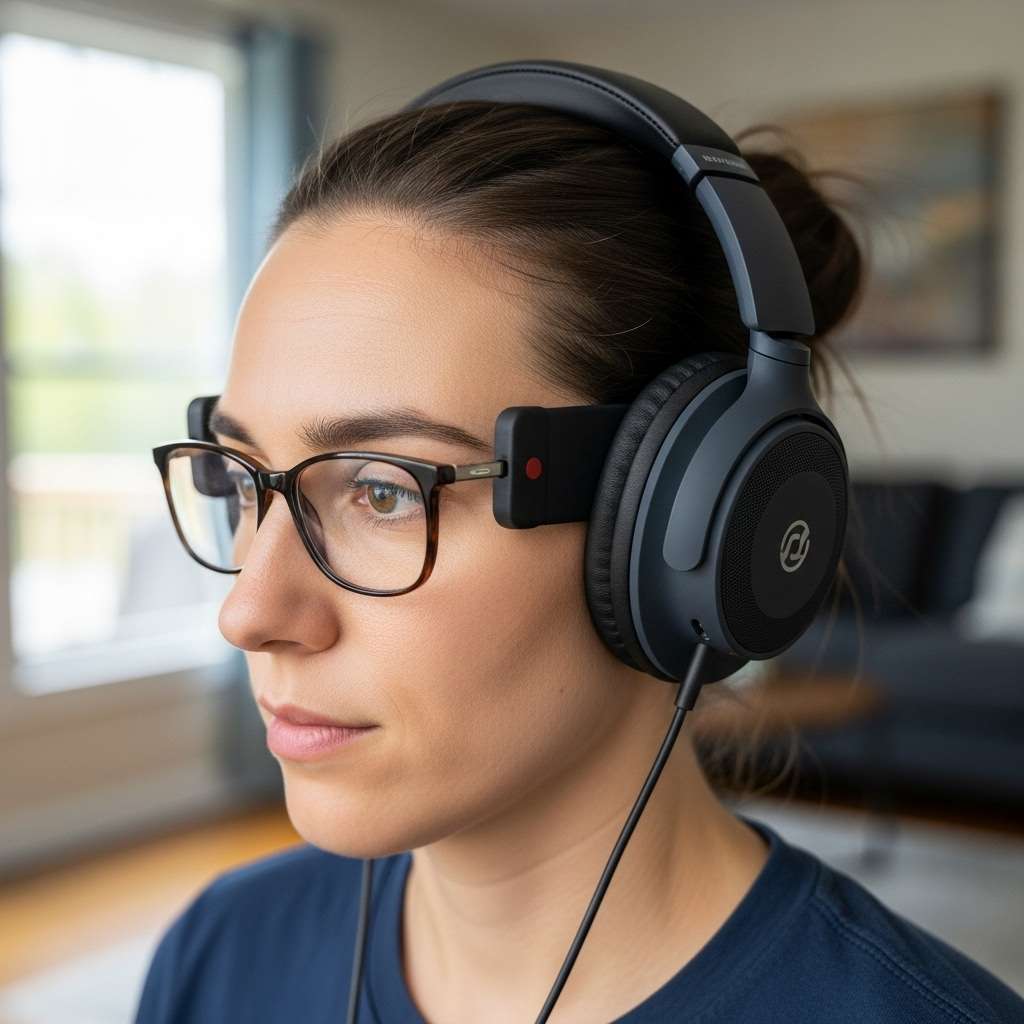
If you are rocking the stock pads that came with your headphones, you might be setting yourself up for failure. Manufacturers often cut costs on pads. They usually use cheap, stiff faux leather.
Stiff leather pads are the enemy of glasses wearers. They don’t yield to the shape of your frames; they just push harder.
Velour is your best friend. Velour pads are soft, breathable, and plush. They allow the eyeglass arms to sink into the fabric rather than pressing against your skull. The difference in comfort is night and day. IMO, Beyerdynamic gets this right with their DT series stock pads.
The Memory Foam Solution
If you need leather for sound isolation (velour leaks sound), get high-quality memory foam pads. Memory foam molds around the arm of your glasses. It creates a channel for the frame to sit in without breaking the air seal.
Check out aftermarket brands like Wicked Cushions or Dekoni. I swapped the stock pads on my Audio-Technicas for a pair of thick memory foam ones, and I can now wear them for six hours straight. No pain. 🙂
Technique 4: The Glasses Cutout Mod
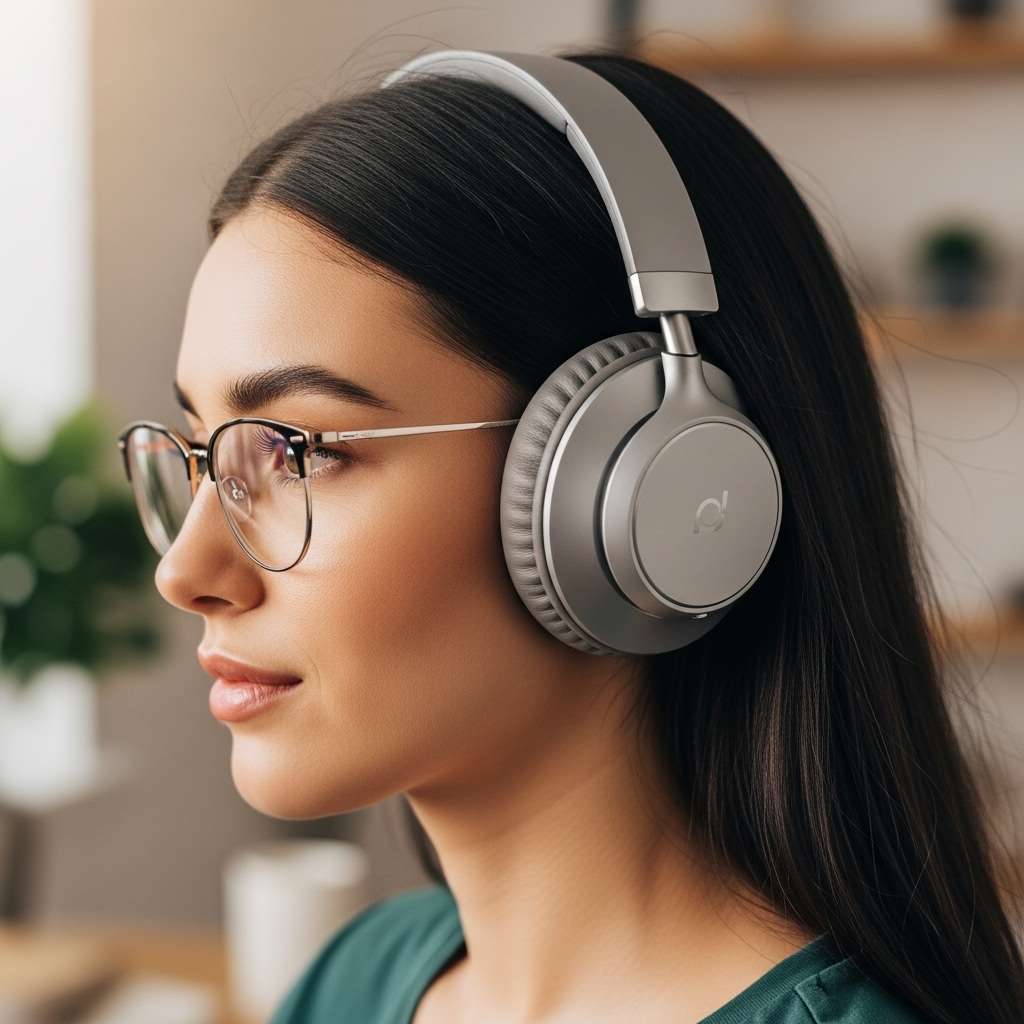
Okay, this one is for the brave. If you have cheap replacement pads and don’t mind a little DIY surgery, you can customize the foam itself.
Take the earpad off the headphone. Feel where your glasses usually sit. Take an X-Acto knife and carefully cut a small channel or “divot” into the foam on the back of the pad (the side that touches the driver, not your ear).
When you put the pad back on, the foam will collapse more easily in that specific spot. This creates a dedicated relief zone for your frames. I only recommend this if you are handy and willing to potentially ruin a $20 set of pads. But hey, comfort is king.
Choosing the Right Frames
Sometimes the problem isn’t the headphones; it’s the glasses.
I love a thick, bold acetate frame as much as the next guy. But wearing chunky Wayfarer-style glasses under headphones is torture. The surface area is too wide, and they don’t flex.
If you wear headphones all day for work or gaming, consider getting a pair of “headphone glasses.” Look for these features:
- Thin metal arms: These slip between your head and the pad with minimal disruption.
- Flat temples: Some sport glasses have flat, flexible arms designed to hug the head without bulk.
- Flexible materials: Titanium or flexible memory plastic frames bend under pressure rather than digging in.
I actually keep an old pair of wire-frame glasses at my desk specifically for headphone use. It seems excessive until you realize how much better your head feels at 5 PM.
2. Troubleshooting Common Issues
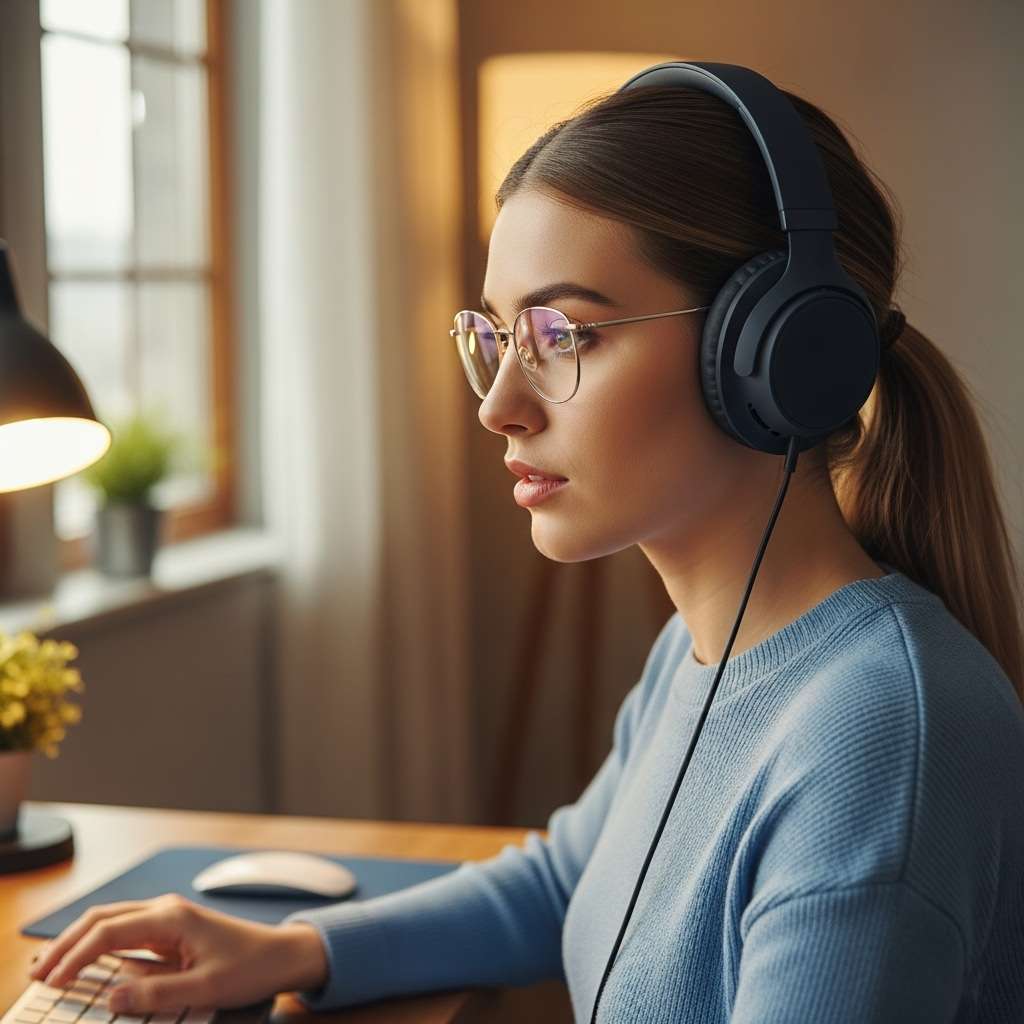
Even with these tips, you might hit some snags. Let’s troubleshoot a few common scenarios.
Problem: The bass sounds weak. This means your glasses are breaking the seal. The gap is too big.
- Fix: Switch to memory foam pads immediately. They will fill the gap around the frame arm better than standard foam.
Problem: The headphones squeak when I move. This happens when plastic eyeglass frames rub against faux leather pads. It is incredibly annoying.
- Fix: Put a tiny piece of fabric tape or electrical tape on the part of your glasses that touches the pad. Or, switch to velour pads.
Problem: My ears get hot. You fixed the pressure, but now your ears are sweating because of those thick memory foam pads.
- Fix: Look for “cooling gel” infused pads. They actually stay cool to the touch for the first hour or so.
3. My Top Headphone Picks for Glasses Wearers
I have tried dozens of headphones. Some simply play nicer with glasses than others. If you are in the market for a new pair, keep these factors in mind.
1. The Bose QuietComfort Series
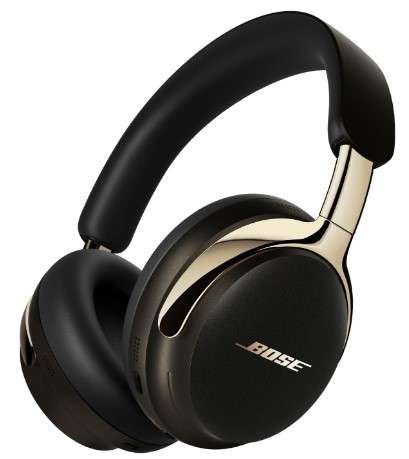
There is a reason they call them “QuietComfort.” Bose clamps very lightly. Their pads are pillowy soft. I have worn QC45s on 12-hour flights with my glasses on the whole time and felt zero pain. They sacrifice a tiny bit of audio neutrality for comfort, but it’s worth it.

2. Sennheiser HD 600 / 650
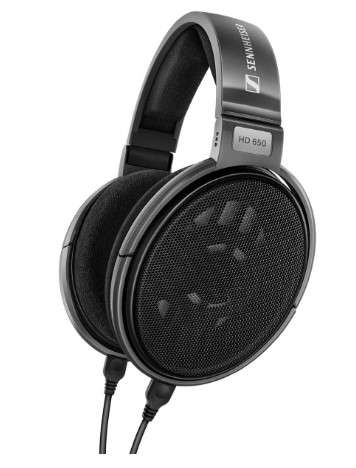
These have a reputation for a tight clamp out of the box (the “Sennheiser vice”), but the pads are large, deep velour. Once you stretch the headband slightly, the velour eats up the glasses frame completely. They are open-back, though, so don’t use them in a library unless you want everyone to hate you.
Sony WH-1000XM5
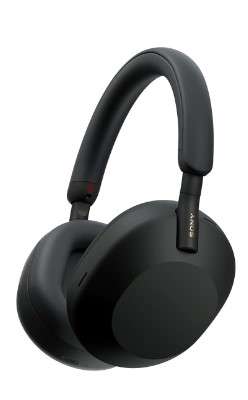
Sony uses a very soft, synthetic leather that is surprisingly forgiving. The clamping force is moderate. They seal well around thin frames. Just be careful with thick frames, as the ANC might hiss if the seal breaks.
Why Suffer?
We live in a golden age of audio. You shouldn’t have to endure physical pain to enjoy a podcast or grind through a ranked match.
The key takeaway is customization. Don’t accept the stock configuration if it hurts. Stretch the band. Swap the pads. Move your glasses. Treat your headphones like a tool that needs to be fitted to your specific head.