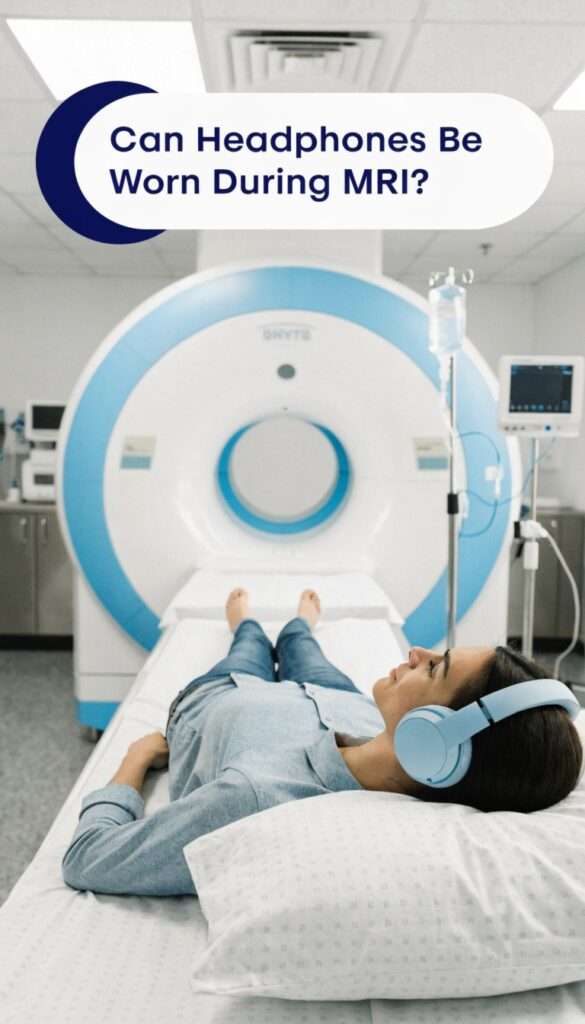
So, you have an MRI scheduled. First off, take a deep breath. You’ve got this. But if you are anything like me, your immediate second thought involves the noise. Everyone warns you about the noise. They tell you it sounds like a jackhammer inside a trash can.
Naturally, you start plotting ways to drown it out. You look at your beloved noise-canceling headphones sitting on your desk and think, “Can I bring these bad boys with me?”
I asked the exact same question before my first knee scan. I figured my high-end over-ear cans would crush that MRI clatter. Spoiler alert: The answer is a hard, resounding no. At least, not your headphones.
You absolutely cannot wear your personal headphones into the MRI suite. But don’t panic just yet! The technologist will almost certainly provide you with a specialized pair designed specifically for the magnetic donut. Let’s break down exactly why your fancy earbuds would turn into a projectile weapon, what you’ll actually wear, and how to survive the symphony of clanks and bangs.
1. The Magnetic Monster: Why Your Headphones Are Forbidden
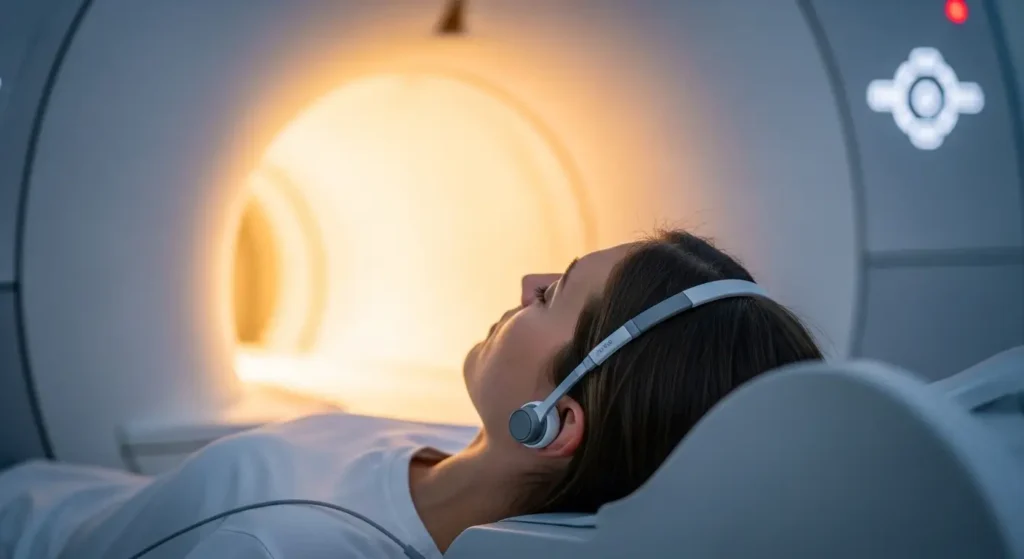
Let’s get the science out of the way so you understand the stakes. An MRI (Magnetic Resonance Imaging) machine isn’t just a big camera.
It is a massive, incredibly powerful magnet. We measure this magnetic strength in Teslas. Most clinical scanners run at 1.5T or 3T. To put that in perspective, the magnet in an MRI is thousands of times stronger than the earth’s magnetic field.
The Missile Effect
Your personal headphones contain metal. Even tiny amounts. The magnets inside the speaker drivers, the copper wiring, the charging contacts all of it reacts to the magnetic field. If you walk into that room with a pair of Beats or AirPods, the machine will rip them right off your head.
We call this the “missile effect.” Your headphones become a bullet. They fly toward the center of the magnet (where your head usually is) with terrifying speed. You do not want to be in the way of flying electronics.
The Burn Risk
Even if you somehow kept the headphones on your head (you won’t), you face another danger: burns. The MRI uses radiofrequency (RF) waves to create the images. These waves induce electrical currents in metal wires. The long wires in corded headphones act like an antenna. They heat up rapidly.
I read a case study once about a patient who wore a pulse oximeter with a wire during a scan and ended up with second-degree burns. Imagine that happening to your ears. No thanks.
2. Introducing Pneumatic Headphones: The “Stethoscope” Solution
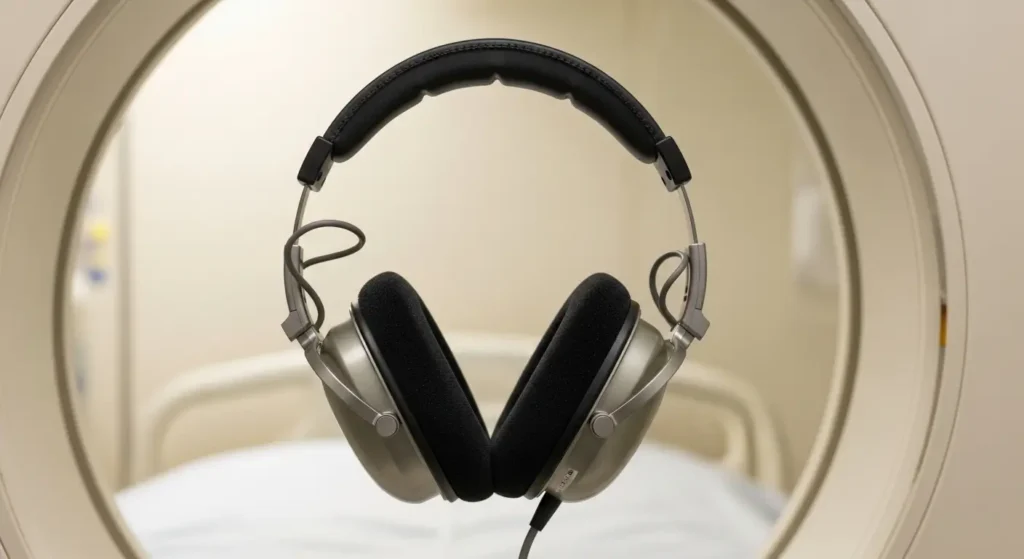
So, your personal gear is out. But the hospital isn’t going to leave you to go deaf in that tube. They use something called pneumatic headphones.
I remember the first time the tech handed me a pair. I looked at them and thought, “These look like they came from a 1990s airline.” They are bulky, plastic, and have foam ear cups that have definitely seen better days. But the magic lies in what they don’t have.
How They Work
Pneumatic headphones contain zero metal. They don’t use wires to transmit the sound signal. Instead, the actual speakers sit far away from the magnet, usually in the control room or a specialized box on the floor.
- Plastic Tubing: The sound travels from the speaker through hollow plastic tubes, exactly like a doctor’s stethoscope.
- Air Pressure: The sound waves push air through the tubes directly into your ears.
- Safety First: Since strictly air and plastic touch your head, the magnet ignores them completely.
It’s actually pretty ingenious engineering, IMO. You get the music without the risk of metal shrapnel.
3. The Audio Quality: Manage Your Expectations
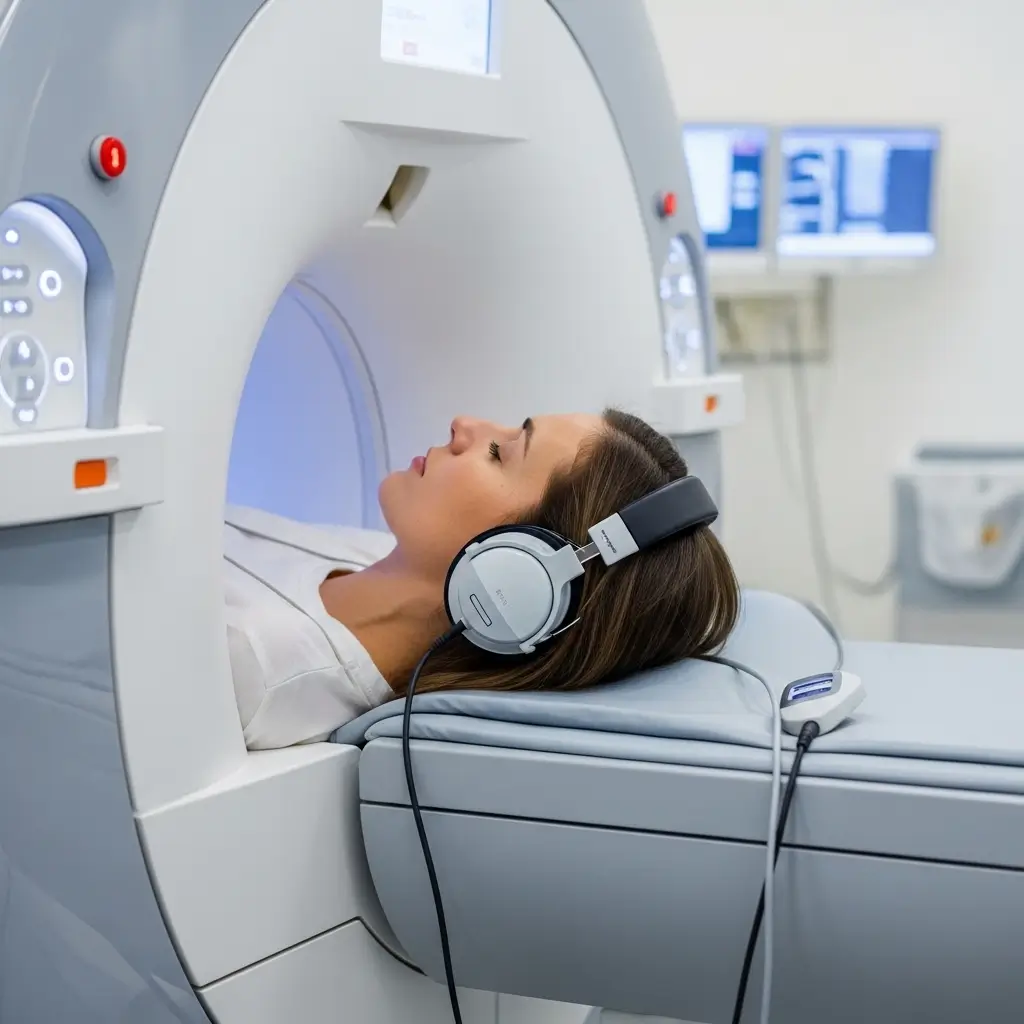
Okay, let’s be real for a second. We need to talk about sound quality. If you consider yourself an audiophile, lower your expectations. Then lower them again.
The sound has to travel through several feet of plastic tubing before it hits your eardrums. By the time the music gets to you, it loses a lot of fidelity. The bass vanishes. The treble sounds tinny. It sounds a bit like listening to a radio playing in the next room through a cup against the wall.
The Battle Against the Noise
You also have to factor in the competition. The MRI machine is loud. Depending on the sequence, it creates banging, buzzing, and clicking noises that can reach 110 decibels. That rivals a rock concert or a chainsaw.
The plastic headphones do a decent job of muffling the harshness, but they don’t block it entirely. You will hear the music and the machine. During the loud parts of the scan, the machine usually wins. I usually pick a song I know by heart so my brain can fill in the gaps when the “jackhammer” starts.
4. Picking Your Playlist: The DJ Dilemma
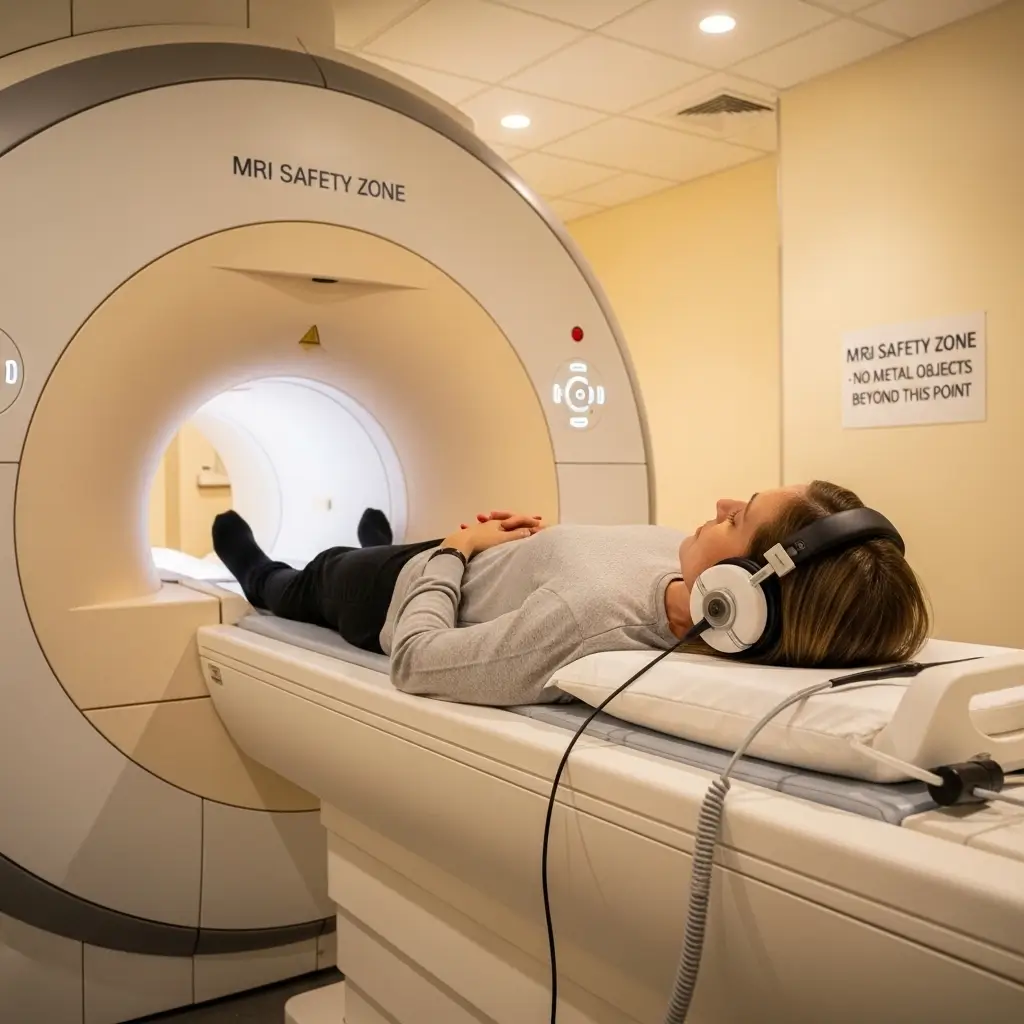
Most modern MRI centers let you choose your music. This is the fun part! The tech will usually ask, “What do you want to listen to?” right before they slide you in.
This moment always stresses me out. Do I go with something calming to lower my heart rate? Or do I pick heavy metal to match the chaos of the machine?
Strategy 1: Classical/Ambient
I tried this once. I asked for Mozart. I thought it would make the experience spa-like. Big mistake. The dynamic range of classical music killed me. The quiet parts were inaudible over the machine’s cooling pumps, and the loud crescendos just added to the sensory overload.
Strategy 2: Pop/Rock
This works best. You want consistent volume and a steady beat. I usually ask for 80s rock or generic Top 40. A steady drumbeat helps ground you when the machine starts vibrating the table. Plus, singing along in your head distracts you from the fact that you can’t move your nose.
Strategy 3: Audiobooks/Podcasts
Some people swear by this. I find it risky. If the machine gets loud and you miss a pivotal plot point, you can’t exactly ask the tech to rewind. Stick to music unless you have superhero hearing.
5. Can I Wear Earplugs Instead?
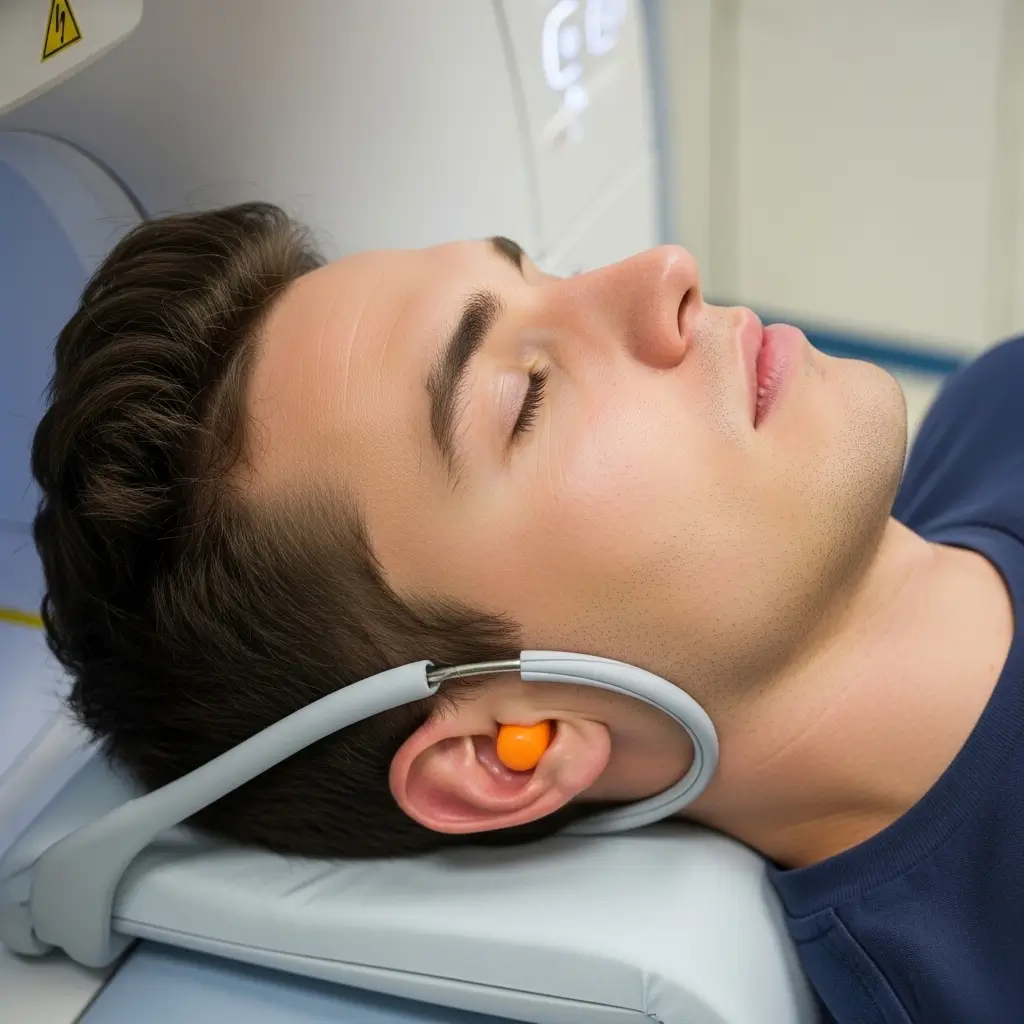
Absolutely! In fact, you should wear earplugs.
Many technologists will give you foam earplugs and the headphones. This is the “belt and suspenders” approach to hearing protection. The MRI creates enough noise to cause temporary hearing damage if you go in unprotected.
Here is the pro tip: Put the foam earplugs in correctly. Roll them down tight, slide them into your ear canal, and hold them there until they expand. Then put the pneumatic headphones over them. The music will sound even more muffled, but you block out significantly more of the machine noise. It makes the whole ordeal much less stressful.
6. What Happens If You Forget?
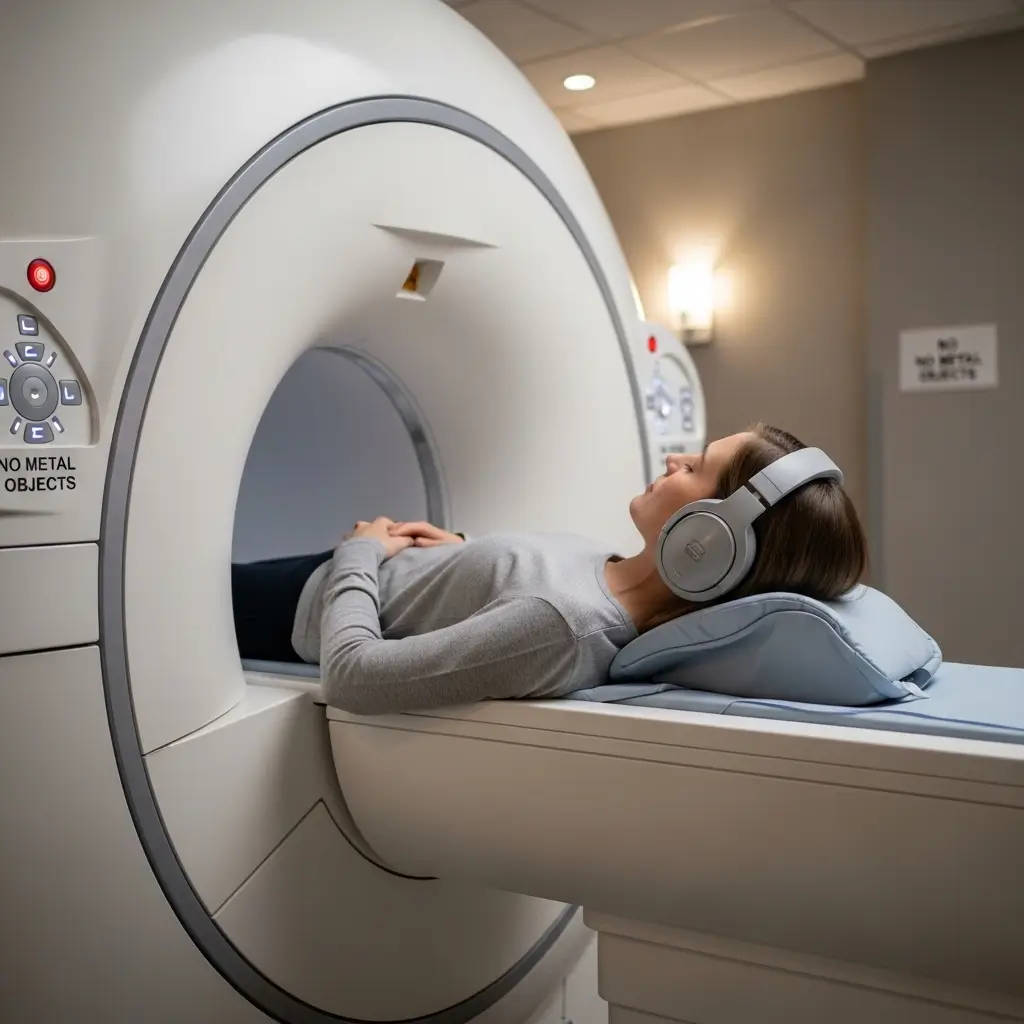
Let’s say you walk into the room with your earbuds in your pocket. Maybe you forgot to empty your cargo shorts.
Hopefully, the technologist catches it. They usually wave a metal detector wand over you or ask you fifty times if you emptied your pockets. But if you slip through?
The magnet is always on. It pulls on the metal instantly. You might feel a tug in your pocket as you approach the table. If you get too close, the object could rip through the fabric of your pants and slap against the bore of the machine.
This ruins the scan. It damages the expensive machine. It creates a safety hazard. Just leave everything in the locker. When they say “empty your pockets,” they mean it. Don’t try to sneak your phone in for a selfie. Seriously, don’t be that person.
7. The “Silent” Scan Technology
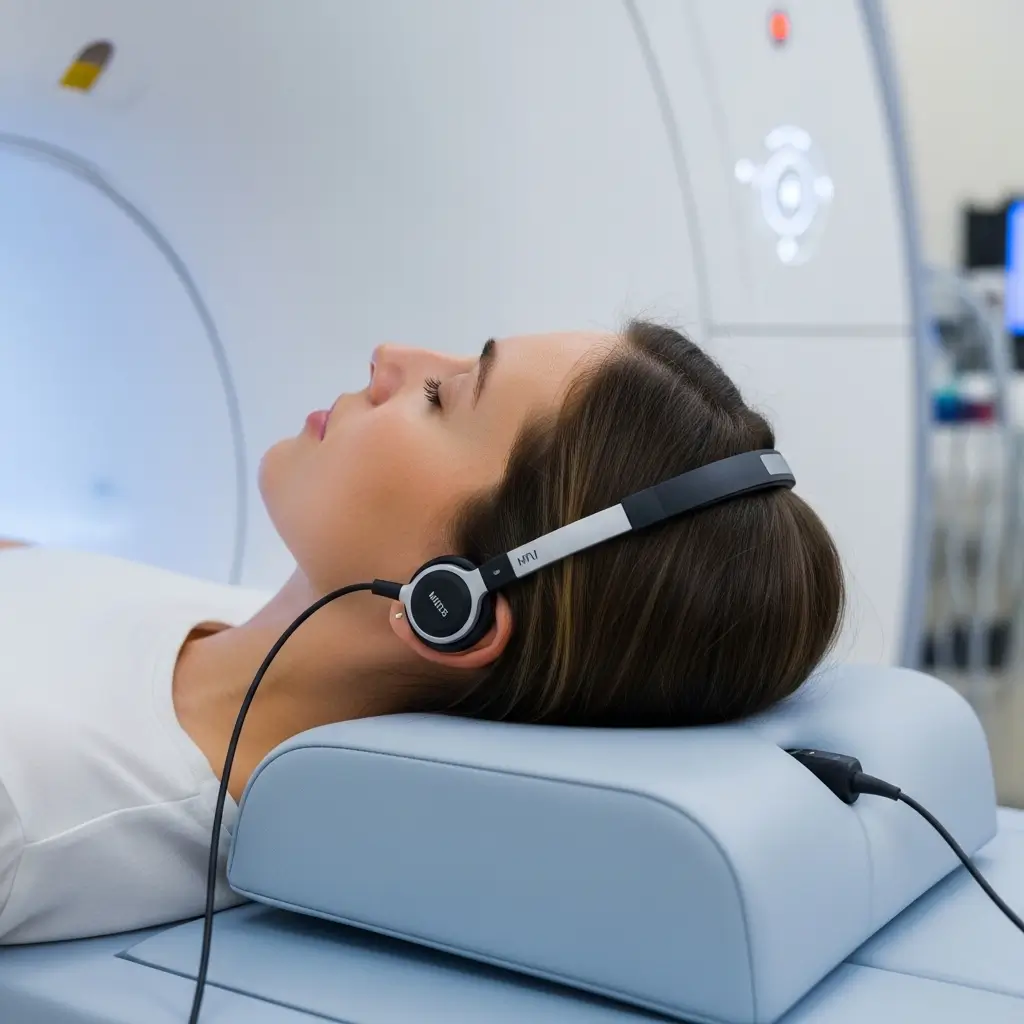
I want to touch on some cool new tech hitting the market. Manufacturers know the noise is a huge problem. It scares kids and makes adults anxious.
Engineers are developing “Silent Scan” technology. I haven’t experienced this personally yet, but the data looks promising.
- Software Tweaks: They modify the way the electrical gradients switch on and off to reduce the vibration that causes the noise.
- Result: It drops the volume from “chainsaw” to “background hum.”
If your hospital has this, you might not even need the headphones for music (though you still need hearing protection). You could actually have a conversation with the tech. Until this becomes standard, though, we are stuck with the plastic tubes.
8. Dealing with MRI Anxiety
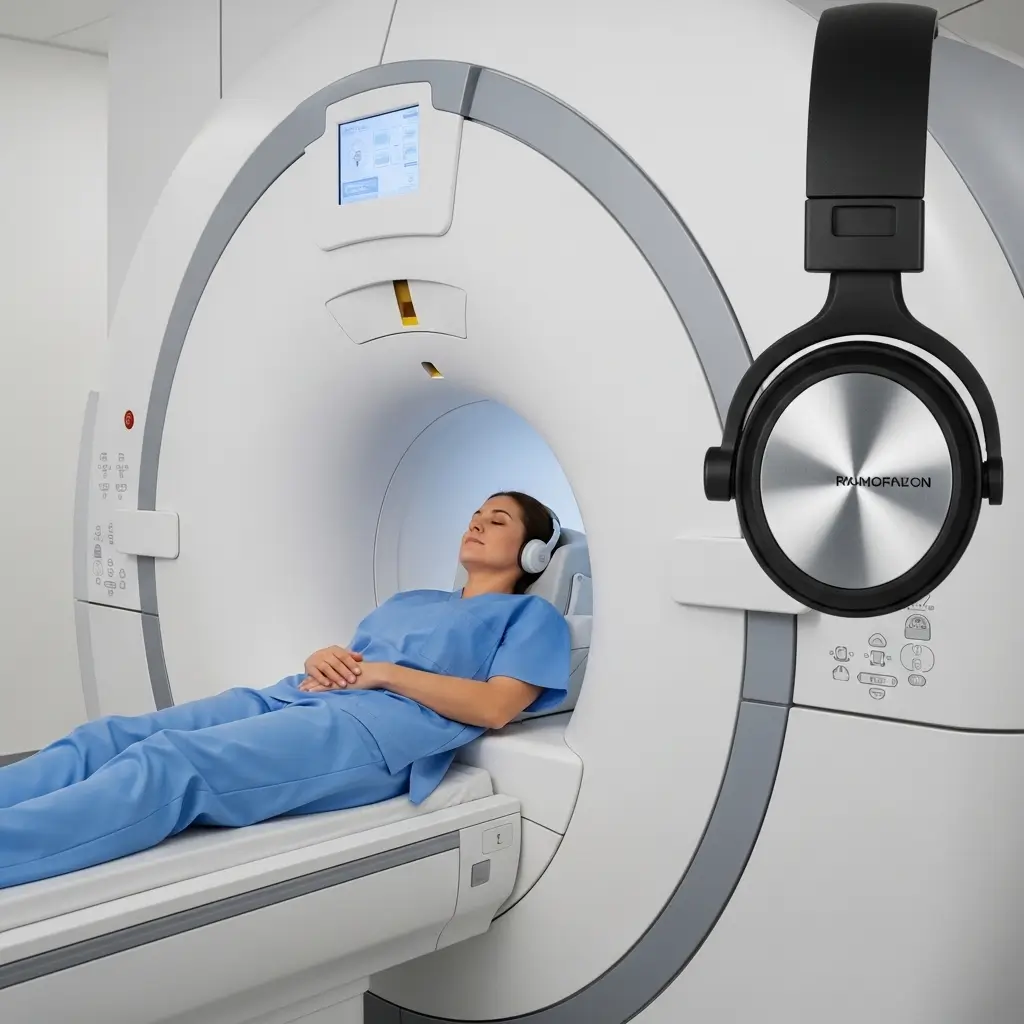
The headphones play a huge role in keeping you calm. Claustrophobia is real. I felt it creeping in during my last shoulder scan. The ceiling feels like it’s two inches from your nose.
Music provides an anchor. It connects you to the outside world. It reminds you that time is passing and that you won’t be in there forever.
If the headphones slide off or stop working during the scan (it happens), squeeze the panic ball. The tech can stop the scan and fix them. Don’t suffer in silence. You need that distraction to stay still. If you twitch because you are freaking out, the images get blurry, and they have to redo the sequence. That means more time in the tube. Nobody wants that.
9. Summary: The Do’s and Don’ts
Let’s recap so you are fully prepped for your appointment.
- DON’T bring your AirPods, Beats, or wired earbuds. They are dangerous and will break.
- DON’T underestimate the noise. It is loud and aggressive.
- DO use the provided pneumatic headphones. They look goofy, but they work.
- DO ask for foam earplugs underneath the headphones for maximum isolation.
- DO pick a playlist with a steady volume (Pop/Rock) rather than dynamic classical music.
An MRI isn’t a fun way to spend an afternoon, but it’s manageable. You get to lie down for 30 minutes, and nobody can ask you to do chores. Look at the bright side!
Just accept the plastic headphones, close your eyes, and let the rhythmic banging of the magnet become the world’s worst techno beat. You’ll be out of there before you know it.