Remember opening your sleek new smartphone box and frantically searching for the headphone jack? I definitely do.
I stared at the smooth bottom of my expensive new device, holding my favorite pair of wired earbuds, feeling completely betrayed.
Phone manufacturers banished the beloved 3.5mm port to the shadow realm without asking us. Suddenly, everyone needed USB-C headphones or a clunky adapter just to listen to a podcast.
Why did tech giants force this massive change on us? They actually had several compelling technical reasons for killing the old standard.
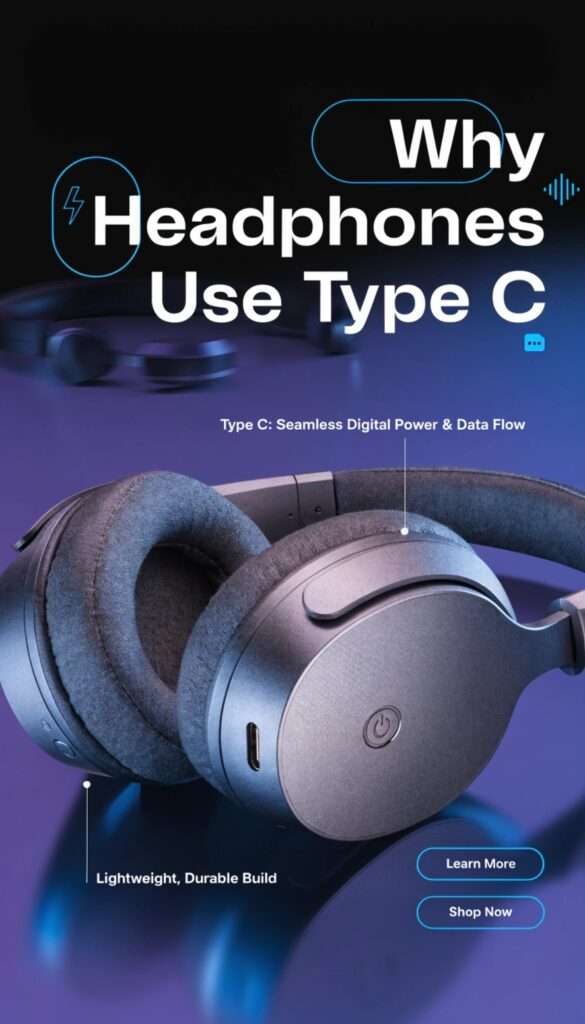
Let me explain exactly why headphones use Type C and how this controversial shift genuinely improves your daily listening experience.
1. The Evolution of Audio Cables
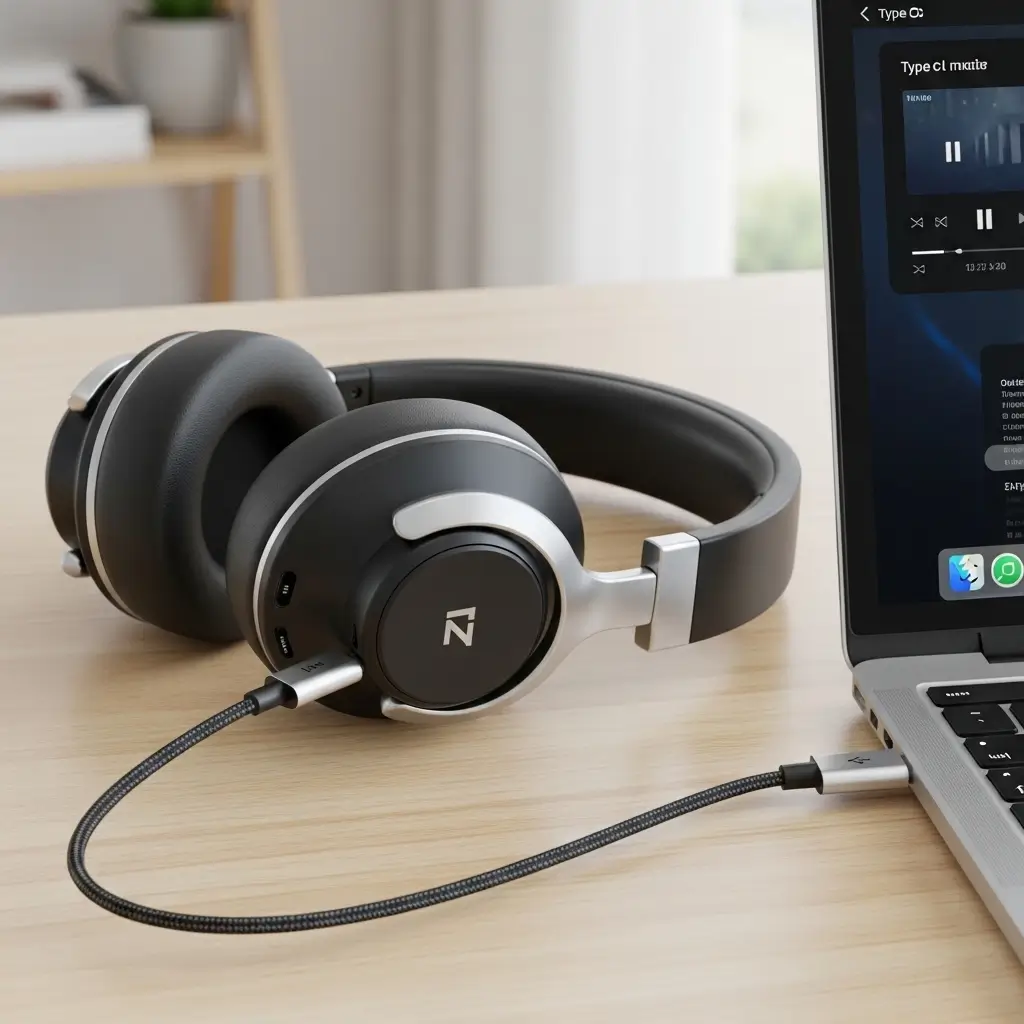
We need to look back at history to understand this change. The audio industry relied on the analog jack for over a century.
Telephone operators originally used massive quarter-inch plugs to connect calls on giant switchboards. Engineers eventually shrank that design down to the 3.5mm size we all knew and loved.
This tiny analog plug dominated the portable audio market for decades. Every Walkman, MP3 player, and early smartphone featured this universal hole.
You could plug any pair of headphones into any device on the planet and hear music instantly. It offered perfect simplicity.
However, technology never stands still. Smart devices grew increasingly complex, requiring thinner profiles and larger internal components.
The trusty old analog connector suddenly became a massive roadblock for hardware designers. They needed a modern solution.
2. The Great Headphone Jack Purge
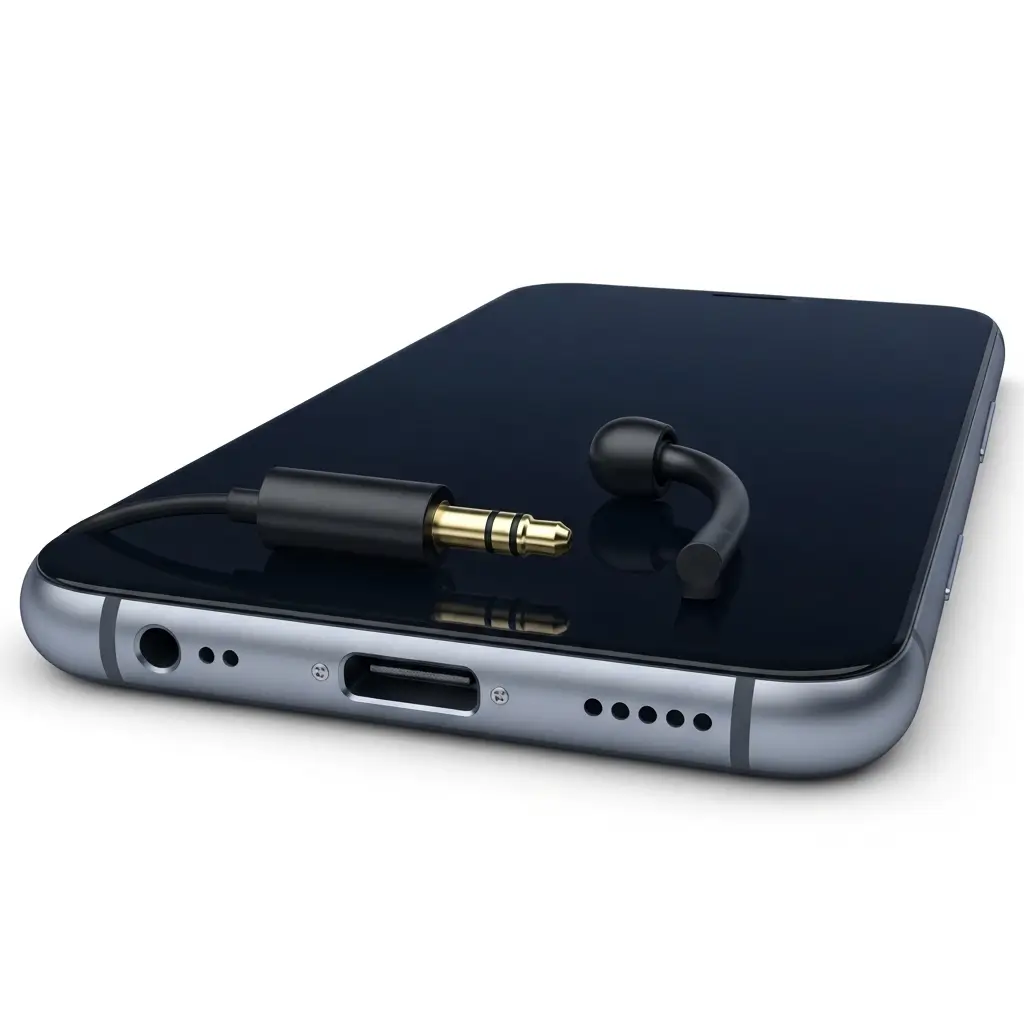
Tech companies did not just wake up one morning and decide to ruin our lives. They had incredibly practical reasons for eliminating the 3.5mm jack. Space inside a premium smartphone costs a fortune.
Engineers fight for every single millimeter to fit bigger batteries, better camera sensors, and faster processors.
The old analog cylinder took up a ridiculous amount of internal real estate. It physically blocked other components from fitting inside the chassis.
By removing the jack, designers gained valuable space to upgrade the hardware that actually runs your phone.
Removing the hole also made waterproofing significantly easier. Water and dust love finding their way into open connection ports. Manufacturers sealed up a major vulnerability by eliminating the dedicated audio jack. Sure, the change frustrated everyone initially. But this drastic move paved the way for a massive audio upgrade.
3. What Actually Makes USB-C Better for Audio?
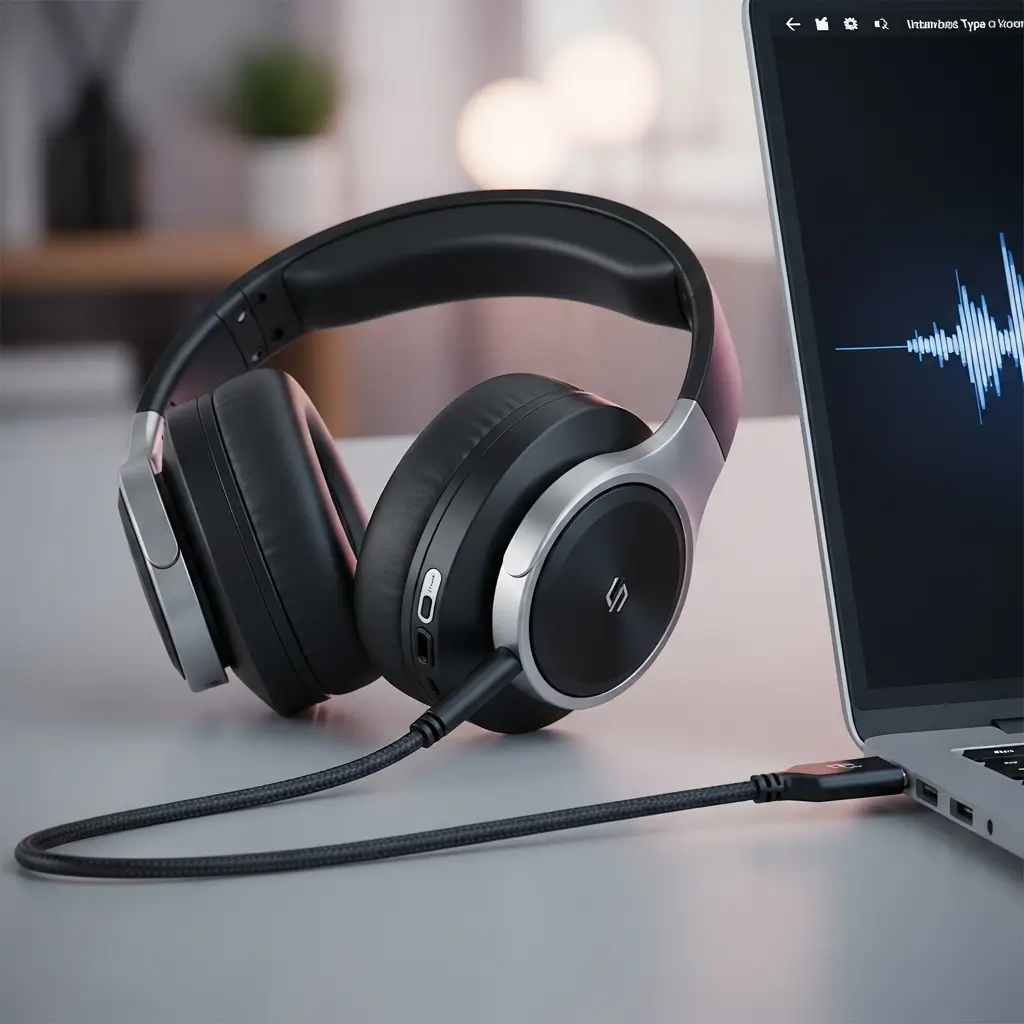
You probably view a headphone plug as just a dumb piece of metal. However, USB-C completely revolutionizes how your phone handles sound.
The classic 3.5mm jack only knows how to transmit analog signals. Your phone must convert digital audio files into analog sound waves internally before pushing them up the wire.
Type C changes the entire game by transmitting pure digital data directly to your headphones. This technological shift moves the digital-to-analog converter (DAC) out of your smartphone and straight into the headphones themselves.
Moving the DAC into the headphones allows audio brands to control the complete sound profile. Engineers design a customized listening experience matched perfectly to those exact miniature speakers. Your phone no longer dictates the audio quality; your headphones take full control of the process.
4. Delivering Real Power
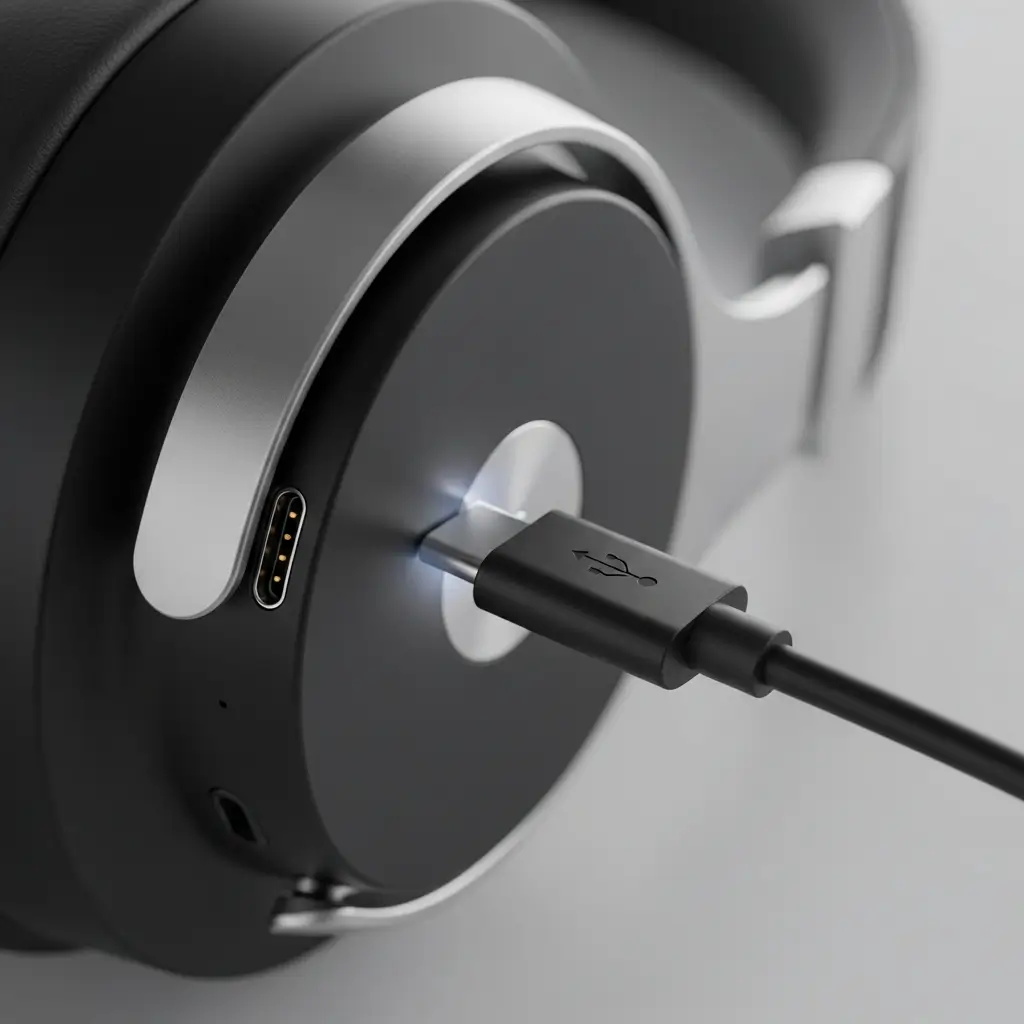
USB-C does far more than just send data. It delivers serious electrical power. Traditional audio jacks struggle to power high-end headphones properly. They provide just enough weak current to vibrate tiny, basic earbud speakers.
Type C cables push enough electricity to run advanced computing features right from your phone’s battery. You can enjoy Active Noise Cancellation (ANC) on wired earbuds without attaching a bulky battery pack to the cable. The smartphone powers the ANC computer chips directly through the port.
I honestly love plugging my Type C earbuds in during a long flight. I instantly drown out the roaring engine noise without worrying about charging my headphones the night before.
5. Type C Audio vs. The Classic 3.5mm Jack
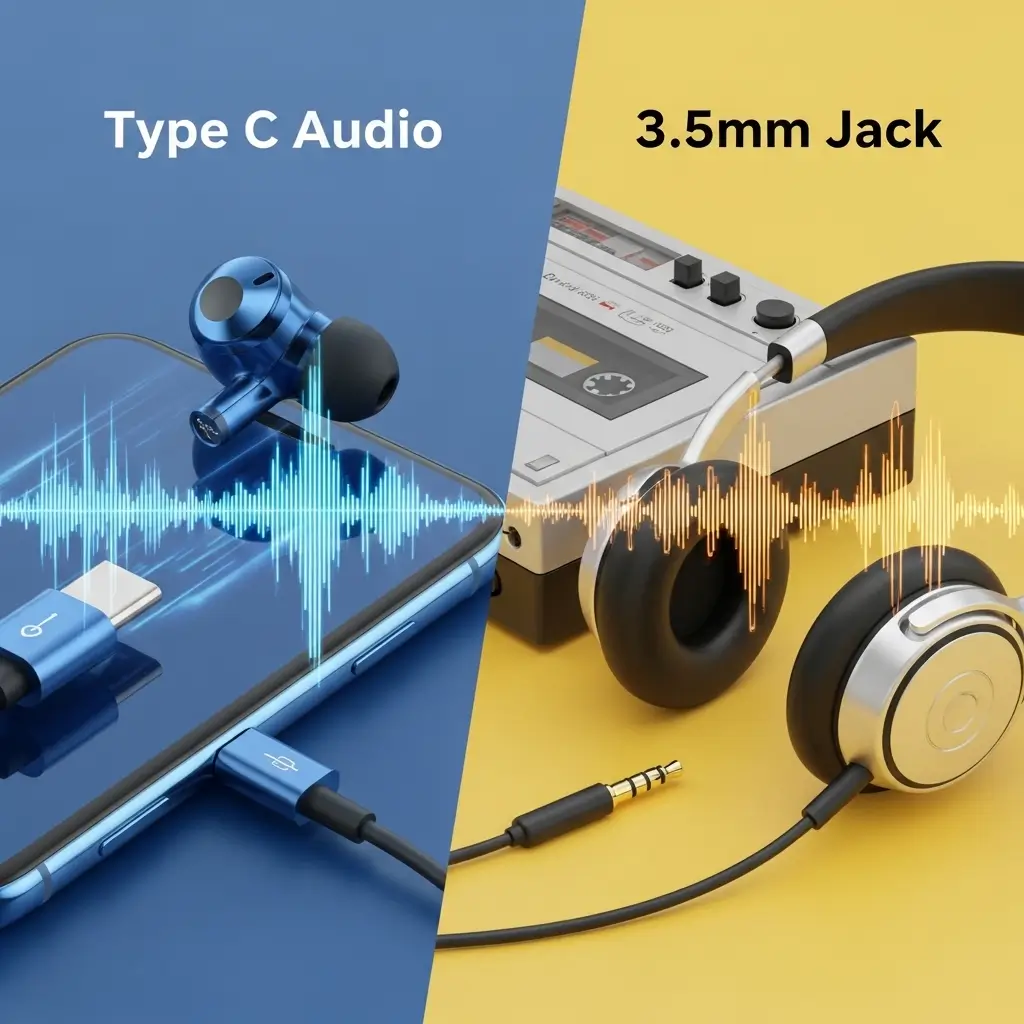
Let us look at a direct, honest comparison. I spent years angrily defending the old analog standard on internet forums. But facts remain facts, and USB-C brings some heavy advantages to the table that we cannot ignore.
- Audio Quality: USB-C supports high-resolution, lossless audio far better than standard, cheap smartphone DACs.
- Physical Durability: The Type C connector easily handles thousands of aggressive insertions without degrading the connection quality.
- Smart Features: Digital connections allow seamless firmware updates for your headphones. You can actually update your earbuds to sound better over time!
- Universal Compatibility: You use the exact same port to charge your laptop, transfer files, and listen to your favorite albums.
Of course, you cannot charge your phone and listen to wired music at the exact same time anymore. Phone manufacturers conveniently ignored how incredibly annoying that limitation is for heavy users.
6. Surviving the Dongle Life
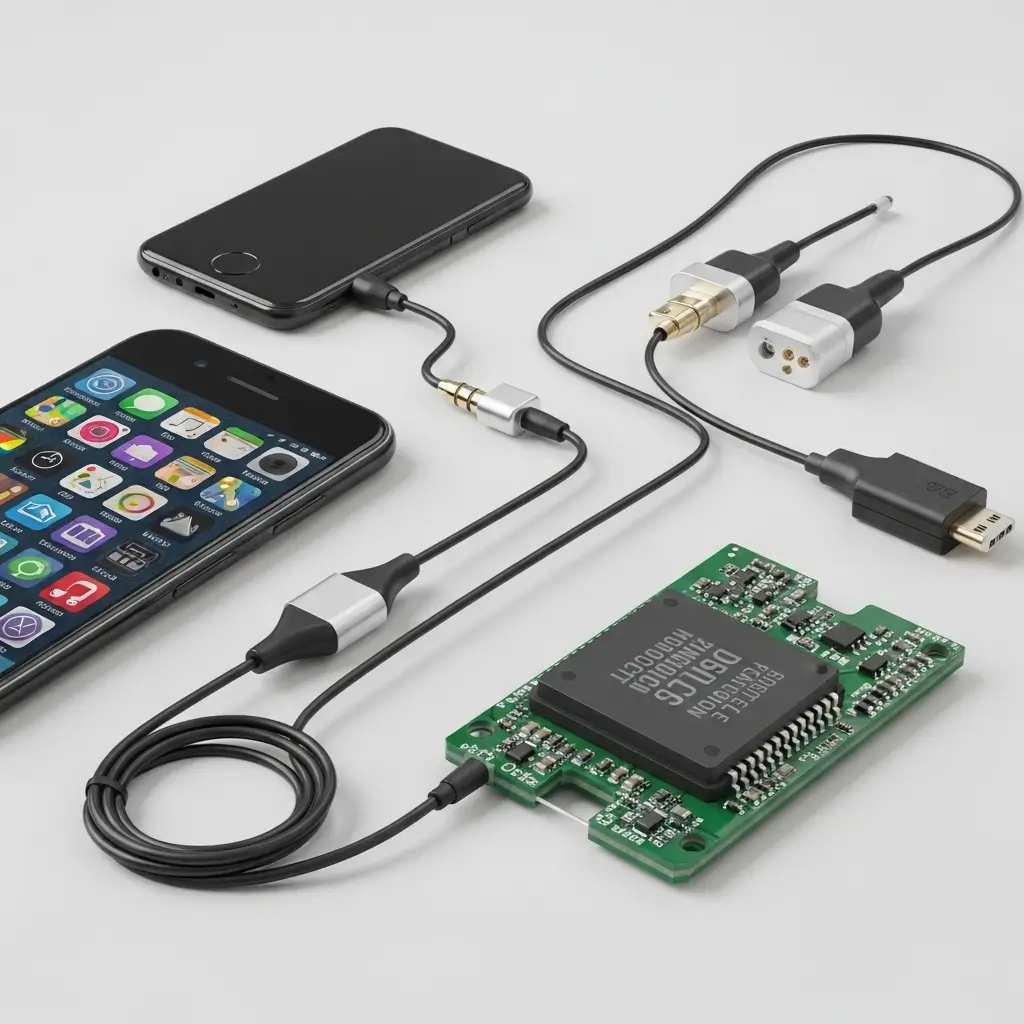
We must address the awkward transition phase we all suffered through. Tech companies handed us tiny, fragile dongles to bridge the gap between our old headphones and our new phones.
I lost three of those ridiculous adapters in my first month alone. They cost a stupid amount of money to replace.
Dongles essentially contain tiny, mass-produced DACs. Using a low-quality dongle actively destroys your expensive headphones’ sound quality. You force a beautiful digital signal through a two-dollar, bargain-bin chip.
If you still refuse to buy native Type C headphones, do yourself a massive favor. Purchase a high-quality, audiophile-grade adapter. Your ears will absolutely thank you.
7. Why Not Just Switch to Wireless Bluetooth?
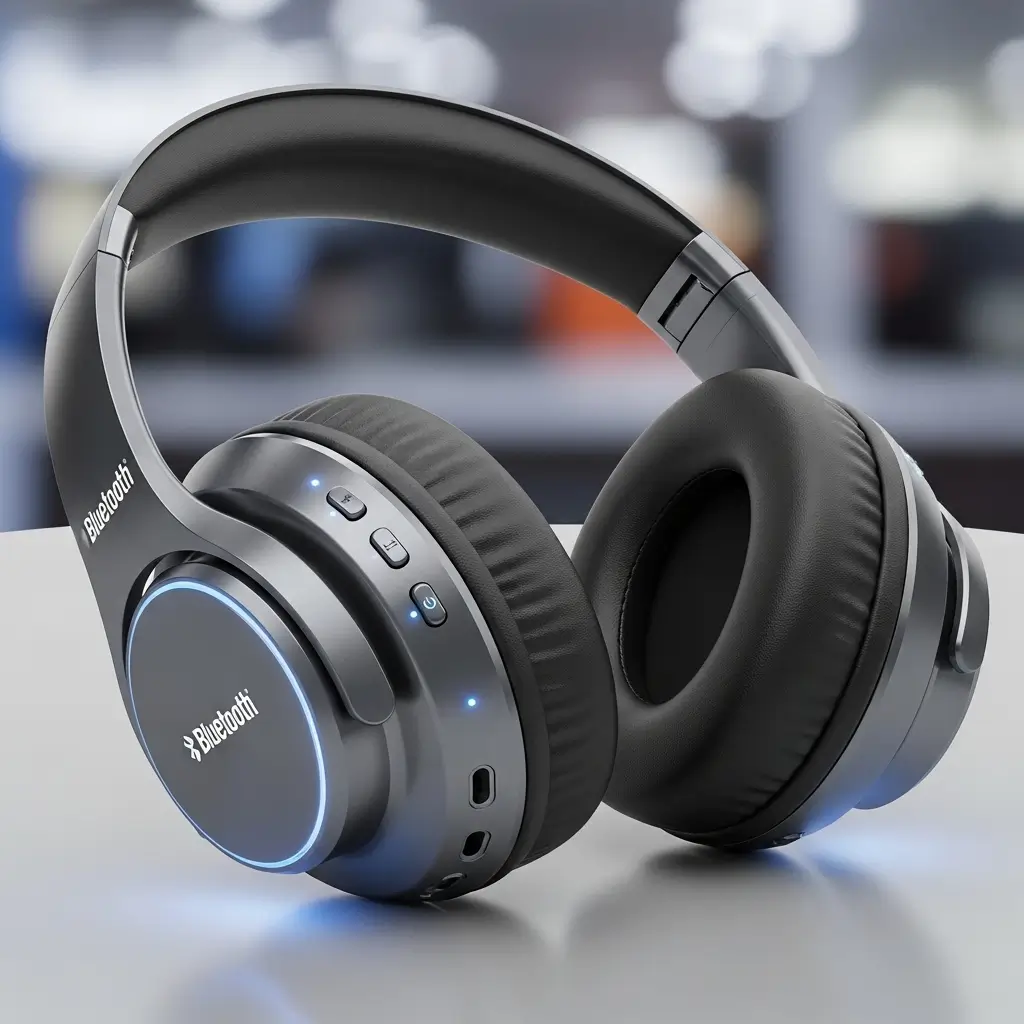
Bluetooth dominates the current audio market. You see little white wireless earbuds sticking out of ears everywhere you go. So, why do we even care why headphones use Type C anymore? Wired audio still holds three massive advantages over wireless tech.
The Latency Problem
Wireless connections inherently introduce audio lag. When you watch a YouTube video or play a fast-paced mobile game, the sound often arrives a fraction of a second late. This tiny delay completely ruins the immersive experience.
Wired Type C headphones guarantee absolute zero latency. The sound hits your eardrums the exact millisecond the action happens on your screen. Competitive gamers absolutely require this instant feedback to win matches.
The Endless Battery Anxiety
Wireless earbuds always run out of juice at the worst possible moments. I once had my expensive Bluetooth headphones die exactly five minutes into a six-hour train ride. Absolute nightmare scenario.
With USB-C headphones, you never worry about charging another separate device. As long as your smartphone has power, you have uninterrupted music. You eliminate an entire layer of battery anxiety from your daily life.
True Lossless Audio
Bluetooth technology forcefully compresses audio files to send them through the airwaves. You permanently lose tiny, beautiful details in your favorite tracks during this compression process.
Type C cables carry massive, uncompressed, lossless audio files effortlessly. Audiophiles absolutely demand wired connections for critical listening sessions. IMO, if you pay extra for a premium high-res music streaming tier, you waste your money listening through standard Bluetooth headphones.
8. Understanding DACs and Audio Quality
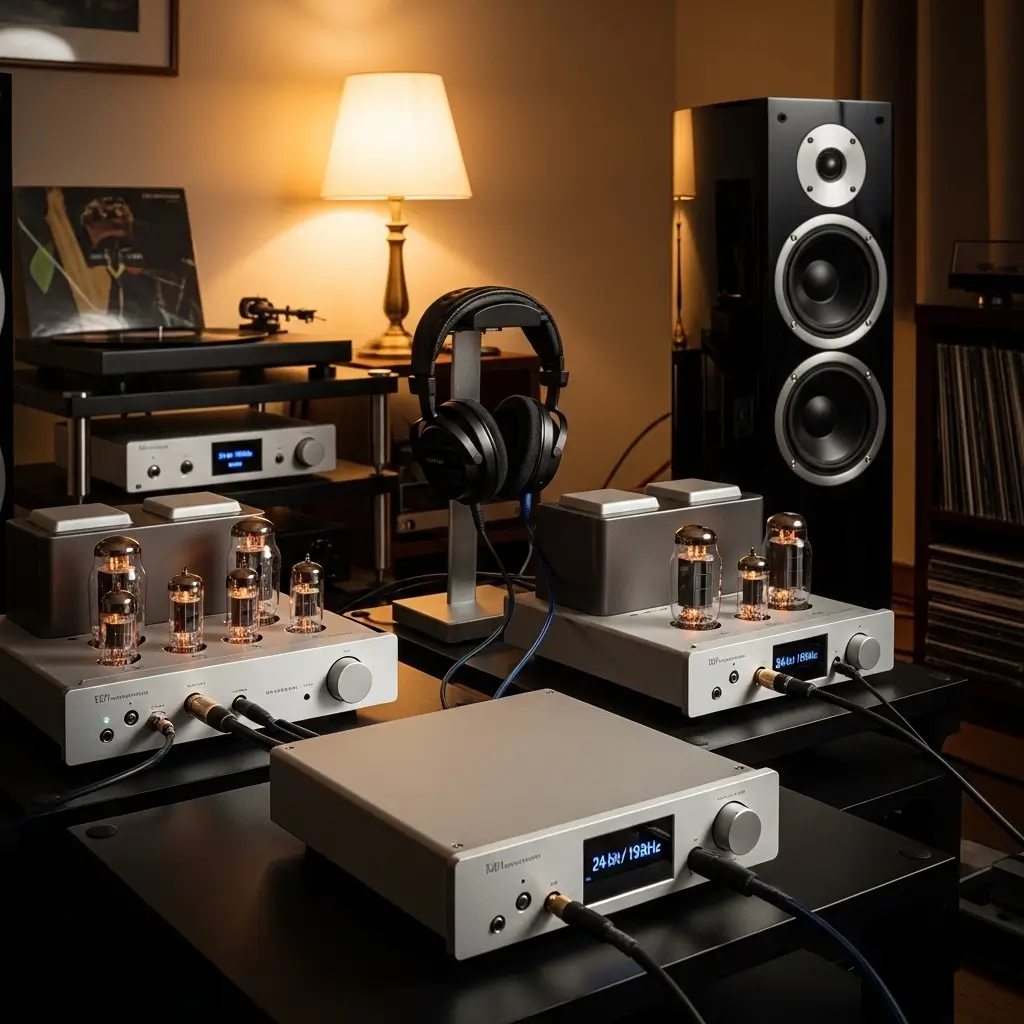
Let us get slightly technical for a quick moment. DAC stands for Digital-to-Analog Converter. Every digital device on earth needs one to produce sound waves you can actually hear.
- Passive USB-C: A few older phones keep a DAC inside and send analog audio directly through the USB-C port. These phones require simple, cheap passive headphones.
- Active USB-C: Most modern phones completely delete the internal audio DAC. They send pure digital code out the bottom port. You must use active Type C headphones containing their own built-in DAC.
This hardware fragmentation caused massive consumer confusion early on. People bought expensive headphones that simply refused to work with their specific phone model. Thankfully, the audio industry mostly standardized around active USB-C headphones today.
9. How to Choose the Best Type C Headphones
Shopping for new gear requires a bit of knowledge. You cannot just grab the cheapest pair off the rack anymore. FYI, picking the wrong pair leads to awful sound or total incompatibility.
Always check the spec sheet to verify your new headphones feature a built-in DAC. This single feature guarantees they will work with virtually any modern smartphone, tablet, or laptop.
Next, look at the cable quality. Digital cables require better shielding than old analog wires. Buy a pair with a thick, braided cable to prevent internal wire breakage.
Finally, check the microphone quality if you take frequent phone calls. Digital mics process voice clearer, but cheap brands still use terrible components.
10. The Future of Wired Audio
Will the USB-C headphone reign supreme forever? Probably not. Technology relentlessly marches forward. However, it proudly holds the crown for the foreseeable future.
We see better internal DAC components driving hardware prices down rapidly. You can find incredible, high-fidelity Type C earbuds today for a fraction of what they cost three years ago.
Audio engineers discover new ways to utilize the massive digital bandwidth every year. We will likely see advanced features like real-time spatial audio processing happening directly inside the headphone cable very soon.
I predict wireless earbuds will completely conquer the casual listening market. But serious gamers, professional musicians, and hardcore audio nerds will firmly grip their wired connections. The sheer reliability and unmatched audio quality simply cannot be beaten by invisible airwaves.
Final Thoughts
So, that fully solves the mystery. We lost the beloved headphone jack to make crucial room for bigger batteries and superior waterproofing. We gained a digital powerhouse port fully capable of delivering high-res audio and powering advanced smart features directly.
Understanding exactly why headphones use Type C helps you make significantly better buying decisions. You now know to look for built-in DACs and appreciate the flawless zero-latency experience. You can confidently navigate the modern audio landscape without confusion.