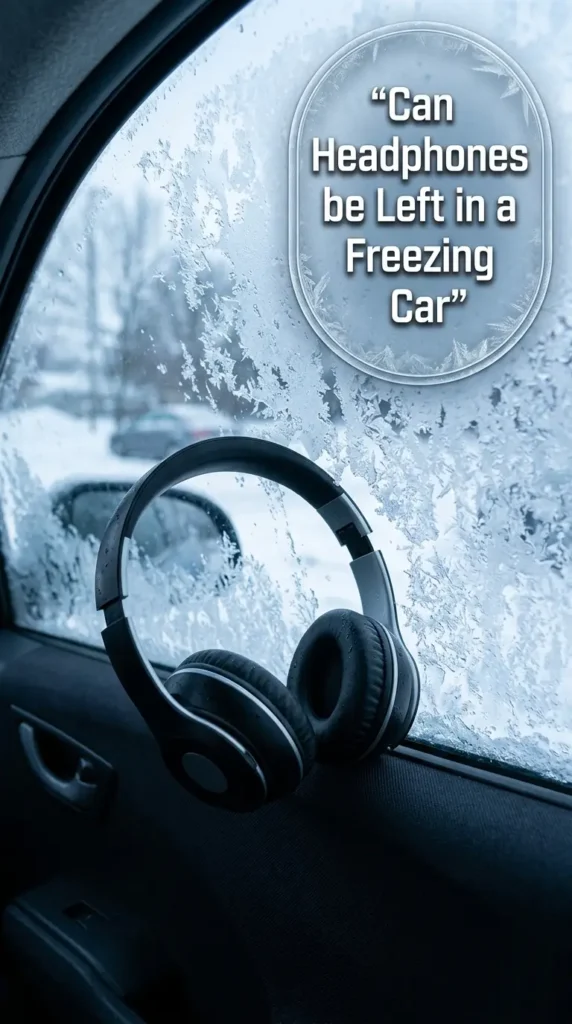
Winter weather tests the limits of human endurance and delicate electronics alike.
Picture a frantic morning rush, a thick layer of frost on the windshield, and a sudden wave of panic hitting the stomach.
The premium noise-canceling headphones spent the entire night sitting on the icy passenger seat of the vehicle. Can headphones be left in a freezing car?
The short answer delivers a resounding, icy no. Sub-zero temperatures attack consumer electronics from multiple angles, degrading internal power cells and ruining sensitive acoustic materials.
Leaving expensive audio gear inside a freezing vehicle invites permanent component damage and muffled sound profiles.
This comprehensive breakdown explains exactly how cold weather destroys headphones and outlines the best ways to protect precious gear.
1. The Dangerous Science of Extreme Cold and Audio Technology
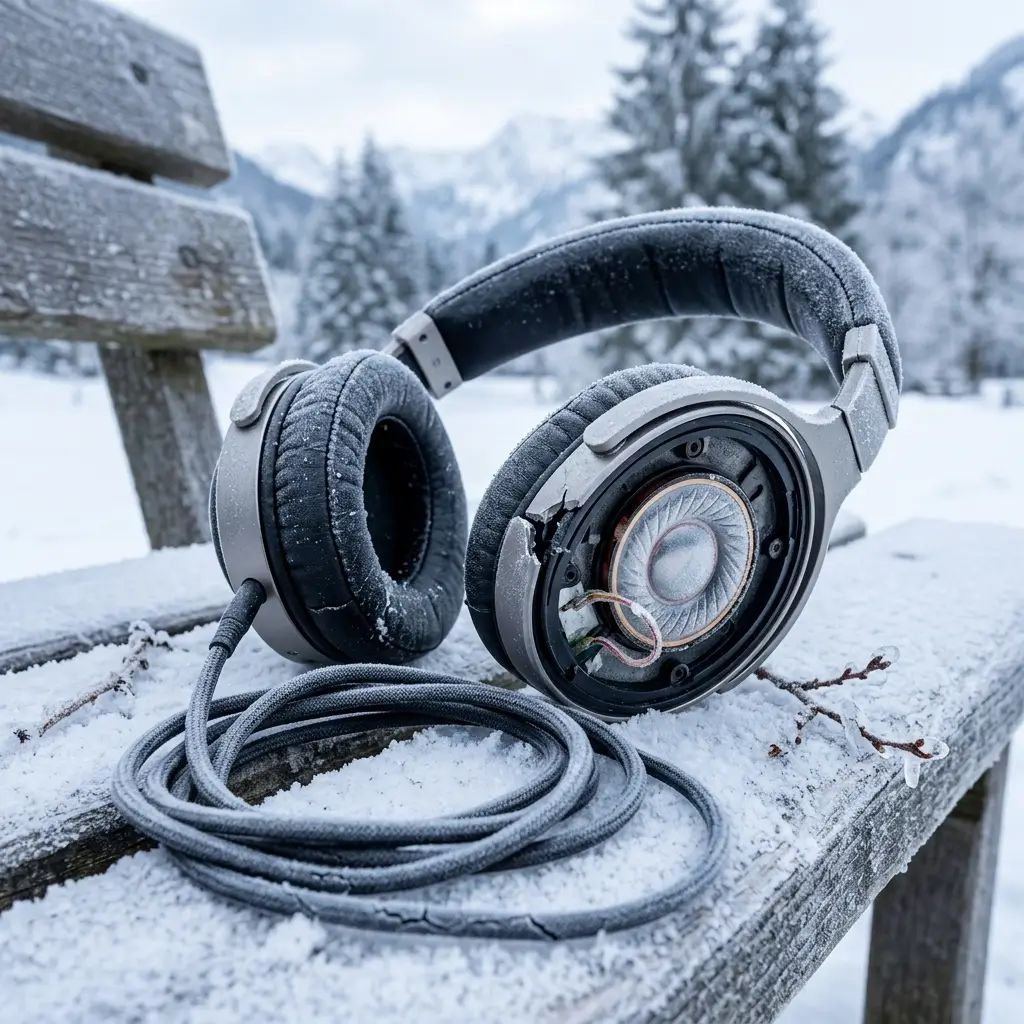
Audio gear relies on precise physical physics and chemical harmony to produce clean, resonant sound. Freezing weather disrupts this balance instantly. When temperatures drop below thirty-two degrees Fahrenheit, the fundamental mechanics of modern headphones begin to fail.
Lithium-Ion Batteries Fight a Losing Battle
Most modern wireless headphones utilize lithium-ion battery technology to provide hours of cord-free listening.
These power cells rely on liquid or gel electrolytes to transfer electrical charges between internal components.
Freezing temperatures drastically slow down this internal chemical reaction, cripple the battery’s overall efficiency, and cause rapid power drain.
Have you ever noticed a smartphone battery drop from fifty percent to zero during a brief walk in a snowstorm? Headphones experience the exact same chemical crisis when trapped inside a freezing glove box.
Extended exposure to these conditions permanently alters the battery chemistry, reducing its total lifespan and maximum charge capacity.
Owners will eventually notice that their fully charged headphones only last a fraction of their original runtime.
Condensation Acts as a Stealthy Electronic Destroyer
The greatest threat to audio equipment does not actually occur while the headphones sit in the cold cabin.
The real danger strikes the exact moment someone brings the frozen device into a warm, cozy room. Warm indoor air naturally carries moisture, which looks for cold surfaces to settle upon.
When this humid air contacts the freezing metal and plastic chassis of your headphones, the cold surfaces instantly pull moisture from the air.
Water droplets bridge the tiny gaps between electrical pathways on the internal circuit boards. Turning the headphones on in this state triggers immediate short circuits, frying the delicate microchips beyond repair.
2. Component Breakdown: What Freezes First?
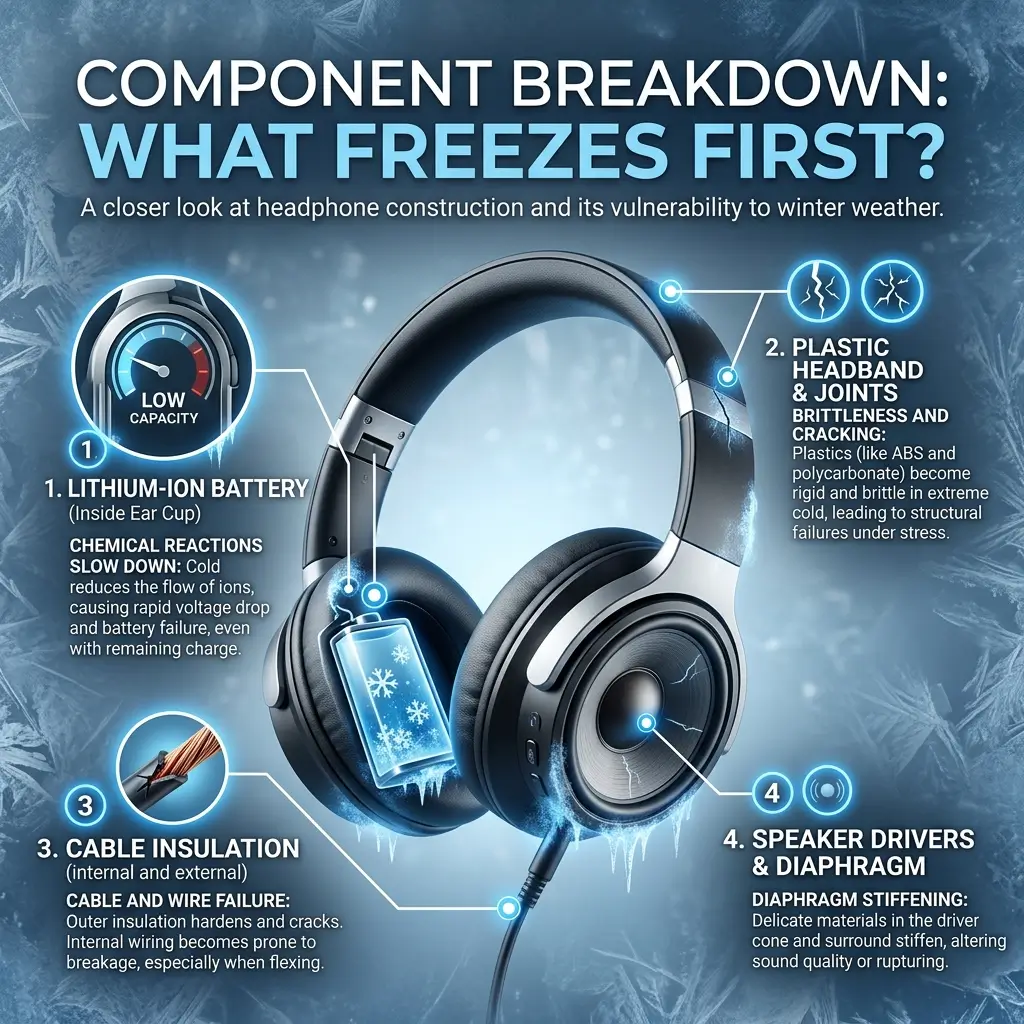
A closer look at headphone construction reveals multiple vulnerable points that tolerate winter poorly. Different materials react uniquely to the cold, but almost none of them react positively to sub-zero conditions.
Synthetic Materials and Plastic Parts Fracture Easily
Headphone manufacturers frequently use protein leather, commonly known as pleather, to wrap ear cushions and headbands.
This synthetic material relies on specialized oils to maintain its soft, pliable texture against the skin. Sub-zero temperatures freeze these essential oils, turning flexible padding into a stiff, fragile shell.
Adjusting the headband or twisting the ear cups while they remain frozen can cause immediate, irreversible cracking.
Plastic components suffer a similar fate in extreme weather conditions. Freezing temperatures alter the molecular structure of polymers, making the entire frame incredibly brittle and prone to snapping under minimal pressure.
Moving Parts and Dynamic Drivers Stiffen Up
The heart of any headphone rests within its drivers, which generate the actual sound waves. These components use voice coils and thin diaphragms to pump air and create crisp audio frequencies.
Cold air thickens the lubricants inside these moving parts, restricting their ability to vibrate freely.
Playing music through stiff, frozen drivers distorts the audio quality significantly and ruins the bass response.
The restricted movement strains the delicate voice coils, which can burn out the internal amplifier over time.
Audiophiles should always allow these mechanical components to loosen up before pushing any heavy audio signals through them.
3. Wired vs. Wireless Headphones: Which Survives the Freeze?
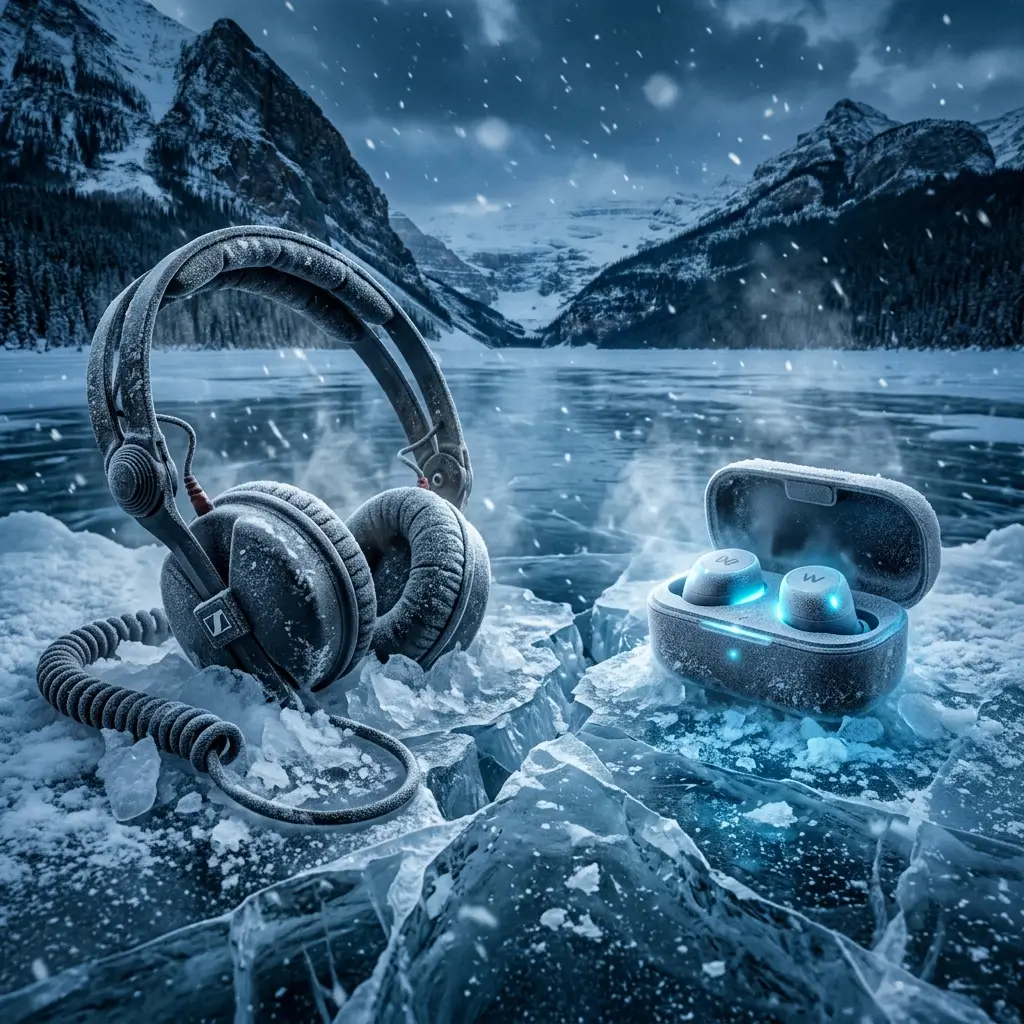
Listeners often wonder if older, wired technology handles the winter elements better than modern wireless gear. While the absence of an onboard battery gives wired models a slight advantage, both styles face unique threats in the cold.
- Let us compare how different headphone designs tolerate freezing environments:
- Wireless Noise-Canceling Headphones: These carry the highest risk profile due to vulnerable lithium-ion cells, active microphones, and complex onboard processors.
- Traditional Wired Headphones: These skip the battery issues but feature copper wiring that hardens and snaps inside stiffened plastic cables.
- True Wireless Earbuds: The microscopic batteries inside earbuds die almost instantly, and the charging case suffers long-term cell degradation.
- Premium Open-Back Headphones: The open grilles allow freezing air and ambient moisture to penetrate directly into the expensive driver arrays.
4. Real-World Scenarios: Measuring the Damage Over Time
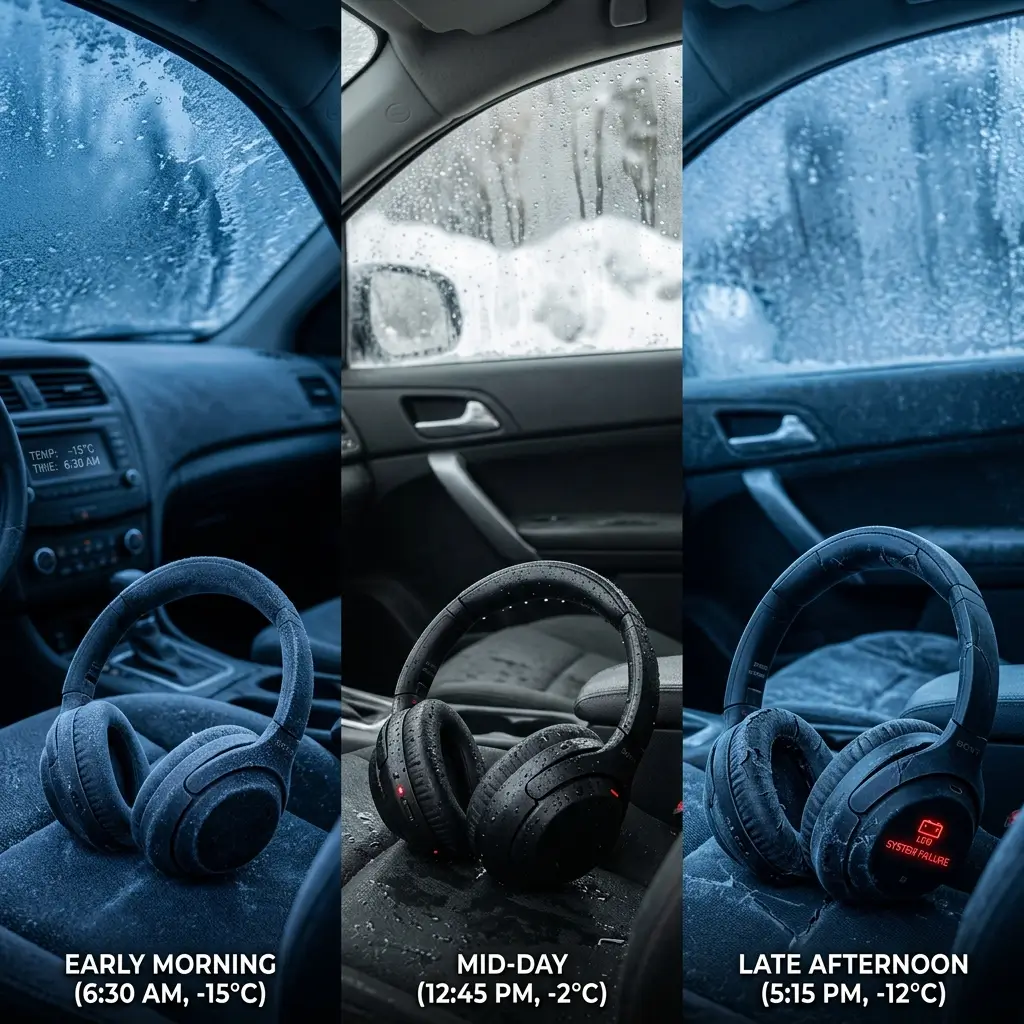
Not every instance of leaving tech in a vehicle results in an immediate trip to the electronics recycling bin. The total duration of the exposure determines the severity of the threat to the hardware.
The Brief Lunch Break or Grocery Run
Leaving headphones in a vehicle for thirty minutes while running errands rarely causes catastrophic failure. Vehicle cabins retain residual engine and heater warmth for a brief window after the ignition turns off. The critical danger zone begins once the interior cabin temperature matches the ambient outside freeze.
The Overnight Deep Freeze Nightmare
Leaving headphones inside a car overnight during a winter freeze guarantees severe complications. Twelve hours of continuous sub-zero exposure allows the frost to penetrate the core of the device. IMO, risking a five-hundred-dollar pair of audiophile cans just to avoid walking back out to the driveway makes absolutely no sense. :/
5. The Step-by-Step Rescue Plan for Frozen Headphones
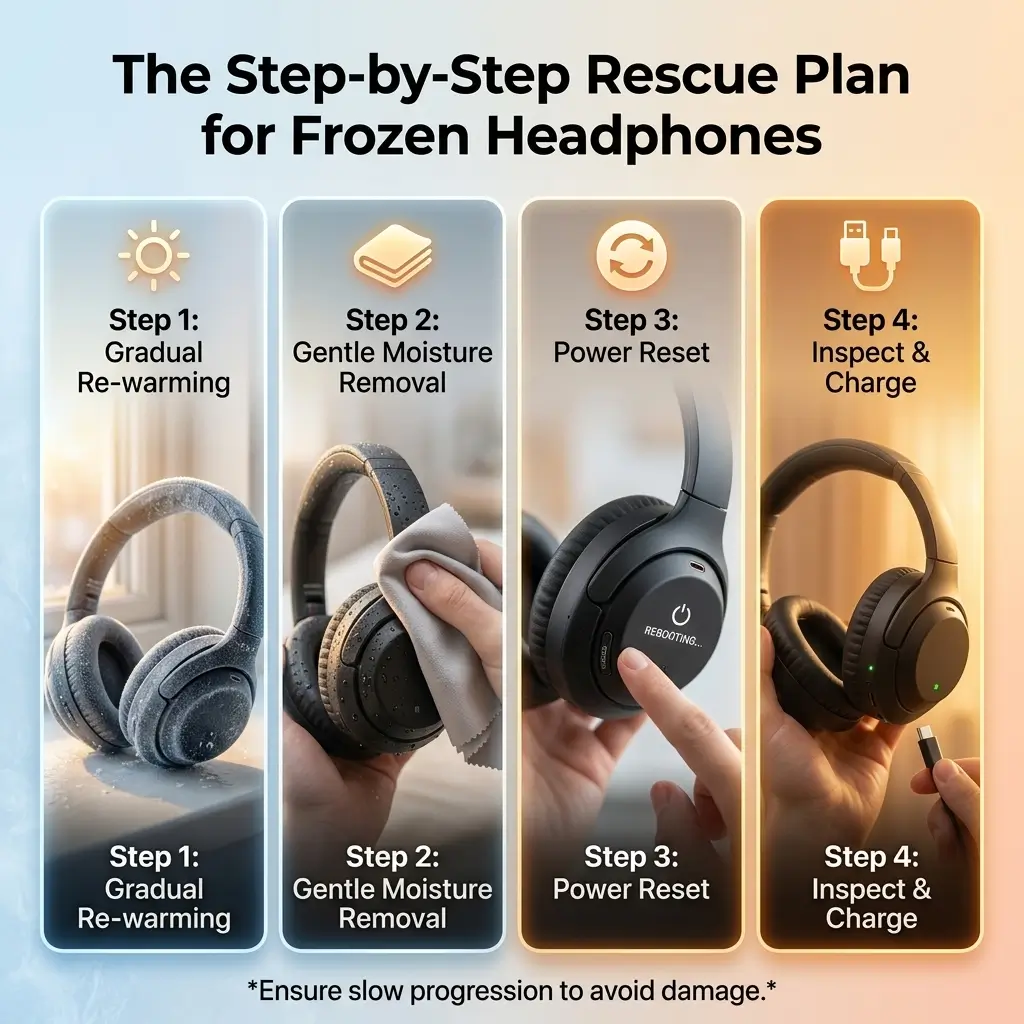
If a favorite pair of headphones accidentally spends the night in a frozen car, do not panic. Avoid the temptation to click the power switch to check if they still work. Following a strict, patient restoration process can successfully save the equipment from permanent damage.
- Bring the device indoors immediately but keep the power turned completely off.
- Place the headphones on a dry surface in a room with a stable, moderate temperature.
- Allow the gear to acclimate for three full hours without intervention to evaporate internal condensation.
- Wipe away all external moisture droplets using a clean, dry microfiber cloth.
- Connect the charger only after the device reaches room temperature to avoid frying the battery management system.
- Power on the headphones and test the audio playback at a low volume level first.
Dangerous Pitfalls to Avoid During the Warming Process
Never use a household hairdryer, a space heater, or a radiator to accelerate the thawing process. Blasting a frozen pair of headphones with intense, direct heat causes rapid thermal expansion. This sudden shift warps the delicate driver diaphragms and melts the specialized glues holding the acoustic foam together.
Let physics do the heavy lifting at its own natural pace. FYI, patience provides the cheapest insurance policy for expensive personal electronics.
6. Smart Winter Storage Habits for Dedicated Audio Enthusiasts

Beating the winter freeze requires changing daily routines before the snow starts falling. A few proactive measures will keep high-end gear safe throughout the coldest months of the year.
- Establish a strict pocket check routine: Treat headphones like a smartphone, wallet, or car keys before exiting the vehicle cabin.
- Invest in heavily insulated hard-shell cases: A premium case provides a thermal buffer that slows down temperature drops.
- Keep a sacrificial pair of cheap wired earbuds in the glove box: Utilize cheap backup earbuds for unexpected winter commutes and keep the premium gear safe at home.
- Store portable gear in inner coat pockets: Use body heat to maintain optimal battery temperatures while walking through freezing parking lots.
The Final Verdict on Leaving Headphones in the Cold
Why gamble with excellent sound quality and expensive hardware? A freezing car environment threatens every single layer of modern headphone technology, from the outer pleather padding to the internal silicon microchips.
Keep the listening gear indoors, allow the components to warm up safely if an accident occurs, and protect those drivers from the harsh winter chill.