You pack your bag for a perfect summer day. You toss in your sunscreen, grab a bulky neck travel pillow for the upcoming flight, and safely stow your favorite wireless headphones.
You plan to spend several hours relaxing outdoors while enjoying your favorite playlist. But after leaving your gear sitting on a sunny patio table, you pick it up, and the plastic literally burns your fingers.
Panic instantly sets in. You immediately ask yourself a terrifying question: can headphones overheat in the sun?
Yes, they absolutely can. The giant fireball in the sky shows absolutely zero mercy to your fragile electronics. I learned this the hard way during a recent trip to the coast.
I left my premium noise-canceling cans sitting on a lounge chair while I grabbed a cold drink indoors. When I returned, the plastic felt like hot lava.
The Bluetooth connection completely dropped, and the power button refused to do anything. I genuinely thought I killed my favorite travel companions.
You spend hard-earned money on your audio equipment. You expect it to survive a normal afternoon outside.
Unfortunately, direct heat causes severe, often permanent damage to batteries, plastics, and sensitive internal computer chips.
I want to save you the financial misery of ruining your daily drivers. We will explore exactly what happens when you bake your tech, how you can spot the earliest warning signs, and what you must do to protect your expensive investment.
1. The TikTok Aesthetic vs. Harsh Reality

Everyone treats bulky over-ear headphones like the ultimate fashion accessory right now. You scroll through social media and see countless creators posing with them everywhere.
They wear them on sunny beaches, at sweltering desert music festivals, and right next to swimming pools. The visual appeal looks fantastic on camera. The aesthetic works perfectly for a quick viral video.
But those trendy posts hide a massive technical flaw. Taking aesthetic photos in the blazing sun creates a literal death trap for your electronics.
Dark-colored plastics absorb sunlight incredibly fast. A black pair of headphones sitting in 90-degree heat will reach dangerous internal temperatures within fifteen minutes.
IMO, sacrificing a $300 piece of technology for a ten-second video clip makes absolutely no sense. You need your gear to actually play music, not just sit around looking pretty while the internal battery fries itself.
I love the look of oversized headphones as much as anyone, but I prefer functioning audio equipment even more.
Why Dark Colors Suffer the Most
You probably own black, dark gray, or navy headphones. Tech companies love producing these sleek, dark colors because they look professional and hide scratches. Unfortunately, dark colors absorb heat much faster than white or silver variations.
If you leave black headphones in direct sunlight, the casing acts like a sponge for thermal energy. The surface temperature skyrockets almost instantly.
This intense heat quickly transfers through the thin plastic casing directly into the fragile components hidden inside the earcups.
2. How Extreme Heat Destroys Your Audio Gear
Heat acts like poison to modern electronics. When you ask if headphones can overheat in the sun, you really need to understand which specific parts fail first. The sun attacks your gear on three completely different fronts simultaneously.
The Lithium-Ion Battery Nightmare
Manufacturers build almost all modern wireless headphones using lithium-ion batteries. These chemical power cells require specific operating temperatures to function safely. Extreme heat degrades lithium-ion chemistry incredibly fast.
When the sun bakes your headphones, the chemical reactions inside the battery accelerate out of control. This rapid reaction causes the battery to permanently lose its maximum capacity. You might notice your headphones suddenly only hold a charge for two hours instead of twenty.
In extreme cases, the battery actually swells up like a balloon. A swollen battery creates a massive fire hazard right next to your head.
If your battery expands, it pushes against the plastic housing and cracks the physical seams of your headphones. You cannot fix a swollen battery; you must replace the entire unit.
Melting Plastics and Ruined Earpads
Your expensive headphones feel premium, but manufacturers still construct them mostly from lightweight plastics and faux leather. The sun shows no respect for premium build quality. Direct sunlight literally melts these synthetic materials.
Warped headbands ruin the entire fit of your device. The plastic softens in the heat and bends completely out of shape. When the plastic finally cools down, it solidifies in that new, stretched-out shape. Suddenly, your headphones feel ridiculously loose and refuse to clamp properly on your head.
Faux leather ear cushions suffer an even worse fate. The sun bakes the moisture out of the synthetic materials and the memory foam inside them. The faux leather then starts flaking off in annoying little black pieces that stick to your ears, neck, and face. Nobody wants to deal with that embarrassing mess in public.
Frying the Internal Circuitry
Your wireless headphones contain tiny motherboards, Bluetooth receivers, and digital-to-analog converters. These tiny microchips rely on microscopic drops of solder to stay connected to the main board.
Excessive heat softens that delicate solder. When the connections loosen, your headphones start acting crazy. The audio might cut out in your left ear. The Bluetooth might flat-out refuse to pair with your phone. Sometimes, the touch controls completely stop responding to your tapping fingers.
3. Does Heat Affect Your Sound Quality?
You might wonder if the heat actually ruins the way your music sounds. The short answer? Absolutely. The internal speakers inside your earcups use incredibly thin diaphragms to push air and create sound waves.
Engineers usually make these delicate diaphragms out of extremely thin plastics like Mylar or PET. Extreme heat warps these thin acoustic membranes. When the diaphragm loses its original shape, it cannot vibrate accurately anymore.
You will suddenly hear horrible distortion when the bass drops. The crisp high notes will sound muddy and muffled. Even if the battery survives the heatwave, warped drivers will ruin your listening experience forever.
4. Spotting the Immediate Warning Signs
You need to recognize when your gear reaches the danger zone. Your headphones usually give you a few obvious hints before they suffer permanent hardware death. Look out for these specific warning signs when you use your audio equipment outdoors.
- The device feels physically hot. If the plastic burns your fingers when you pick it up, the internal battery is already screaming for help.
- Random audio dropouts. Heat messes with the delicate Bluetooth receiver. If your music starts stuttering despite your phone sitting two feet away, the sun is actively interfering.
- Unresponsive buttons and controls. The internal processors throttle themselves to prevent heat damage. This self-preservation tactic makes the volume controls completely freeze.
- Sudden battery death. You had an 80% charge ten minutes ago, but now the device powers off completely. The safety sensors killed the power to prevent a catastrophic battery fire.
5. Over-Ear Headphones vs. Wireless Earbuds in the Heat
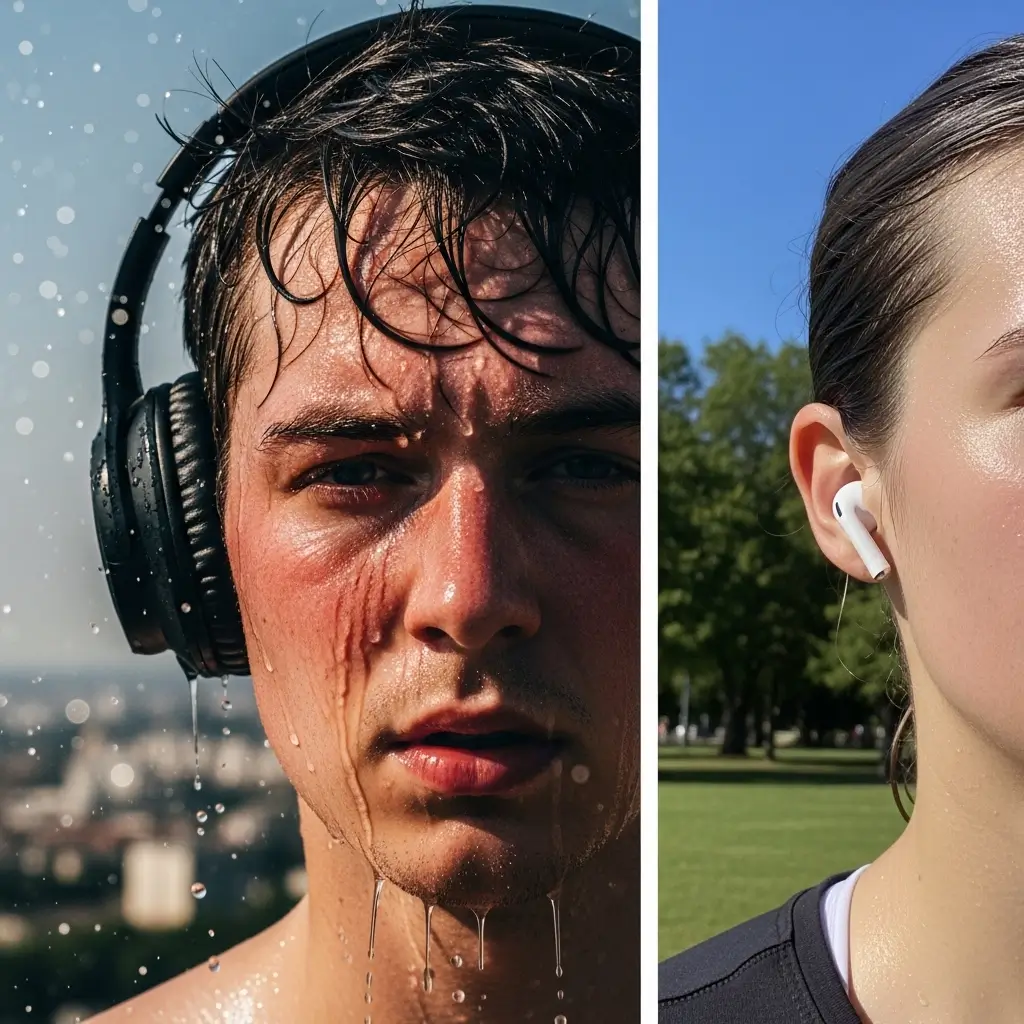
I own both bulky over-ear headphones and tiny wireless earbuds. I use them for completely different situations. I prefer over-ear headphones when I travel on airplanes.
I always pair them with a solid neck pillow to block out engine noise and get some sleep. But when I step out into the blazing sun, I completely switch my strategy.
Over-ear headphones trap massive amounts of heat against your head. The thick ear cushions act like winter earmuffs. You will sweat profusely, and that salty sweat heavily damages the internal headphone drivers. Plus, the large surface area of the headband absorbs maximum sunlight.
Wireless earbuds handle outdoor situations slightly better. They sit inside your ear canal, which provides a tiny bit of natural shade from the sun.
However, you still run a massive risk if you leave the charging case sitting on a sunny table. The charging case contains its own large lithium-ion battery. Baking the case destroys your ability to recharge the earbuds later.
6. How to Protect Your Audio Gear Outside
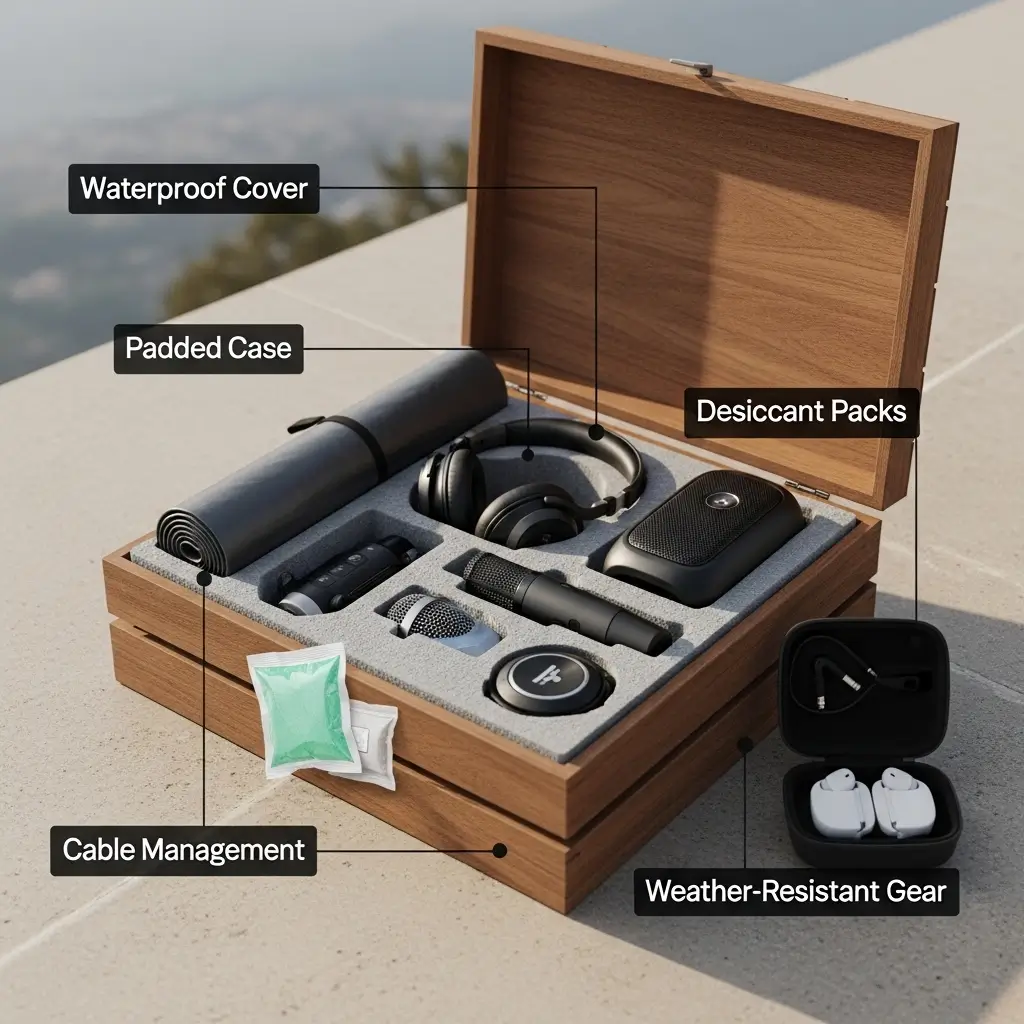
You do not have to leave your music at home just because the sun shines brightly. You simply need to practice basic tech hygiene. I follow a strict set of rules when I bring my audio gear to the beach, the hotel pool, or the local park.
- Always use a protective case. Never throw naked headphones into your beach bag. A hard-shell case provides an essential layer of thermal insulation against the hot environment.
- Hide your gear in the shade. When you take your headphones off, place them under a towel, inside a dark bag, or under a large umbrella. Never leave them sitting directly on an exposed surface.
- Power them down completely. If you plan to leave them in a warm car or a hot backpack, turn the power off. An active, running battery generates its own internal heat. Adding external sun exposure creates a deadly thermal combination.
- Throw a white towel over them. If you cannot find shade, cover your dark headphones with a light-colored cloth. Ever wondered why this works so well? The white fabric reflects the full spectrum of visible light away from the dark plastic beneath it.
7.Why Active Noise Cancellation Makes Things Worse
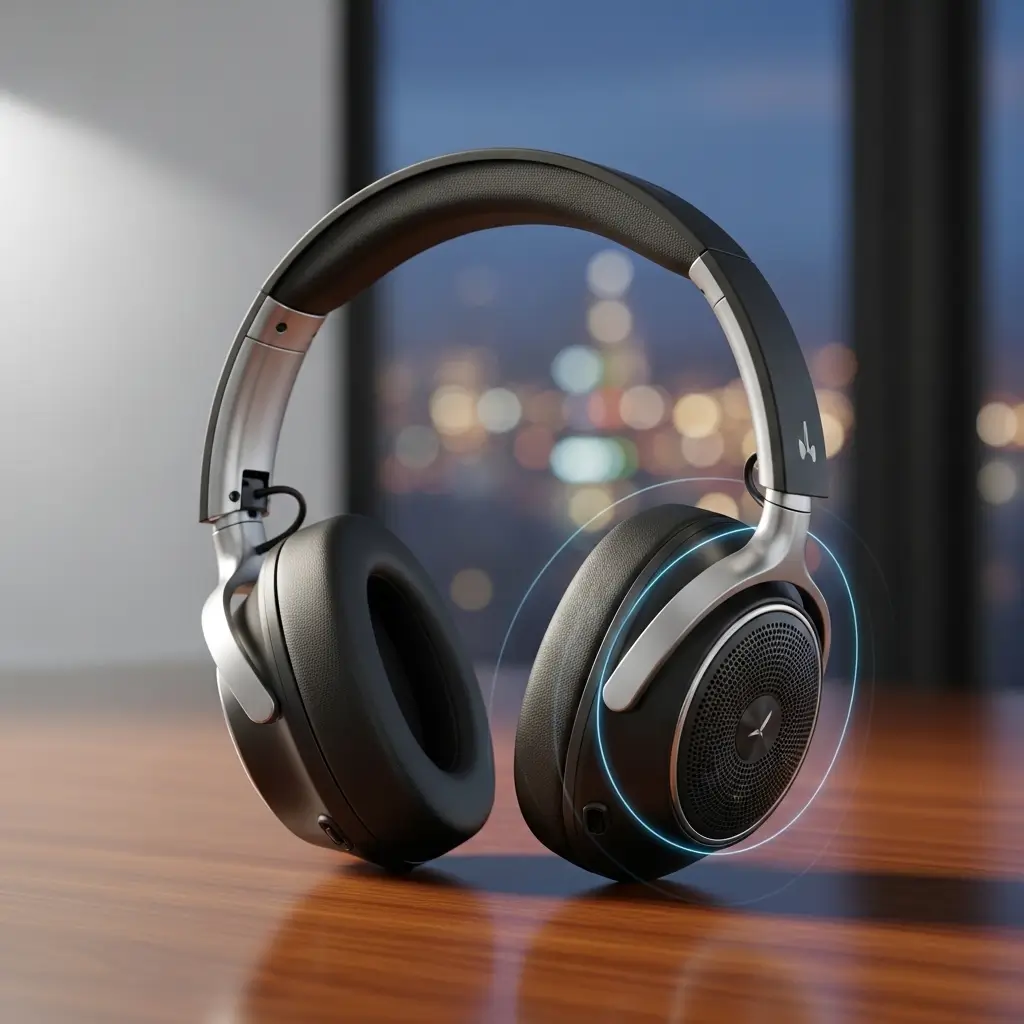
Active Noise Cancellation (ANC) requires heavy processing power. Tiny microphones constantly listen to your environment. Internal computer chips instantly calculate the exact sound wave needed to cancel out that annoying background noise.
All this intense digital processing generates serious internal heat. When you sit in the blazing sun with ANC turned on, you attack your headphones from both sides. The sun cooks the outside plastic, while the ANC processors bake the inside components.
If you must wear your over-ear headphones outdoors on a hot day, turn the ANC off immediately. Listen to your music using the standard passive mode. You save battery life and significantly reduce the internal operating temperature. This small trick absolutely saves your hardware during a brutal heatwave.
8. What You Must Do If You Cook Your Headphones
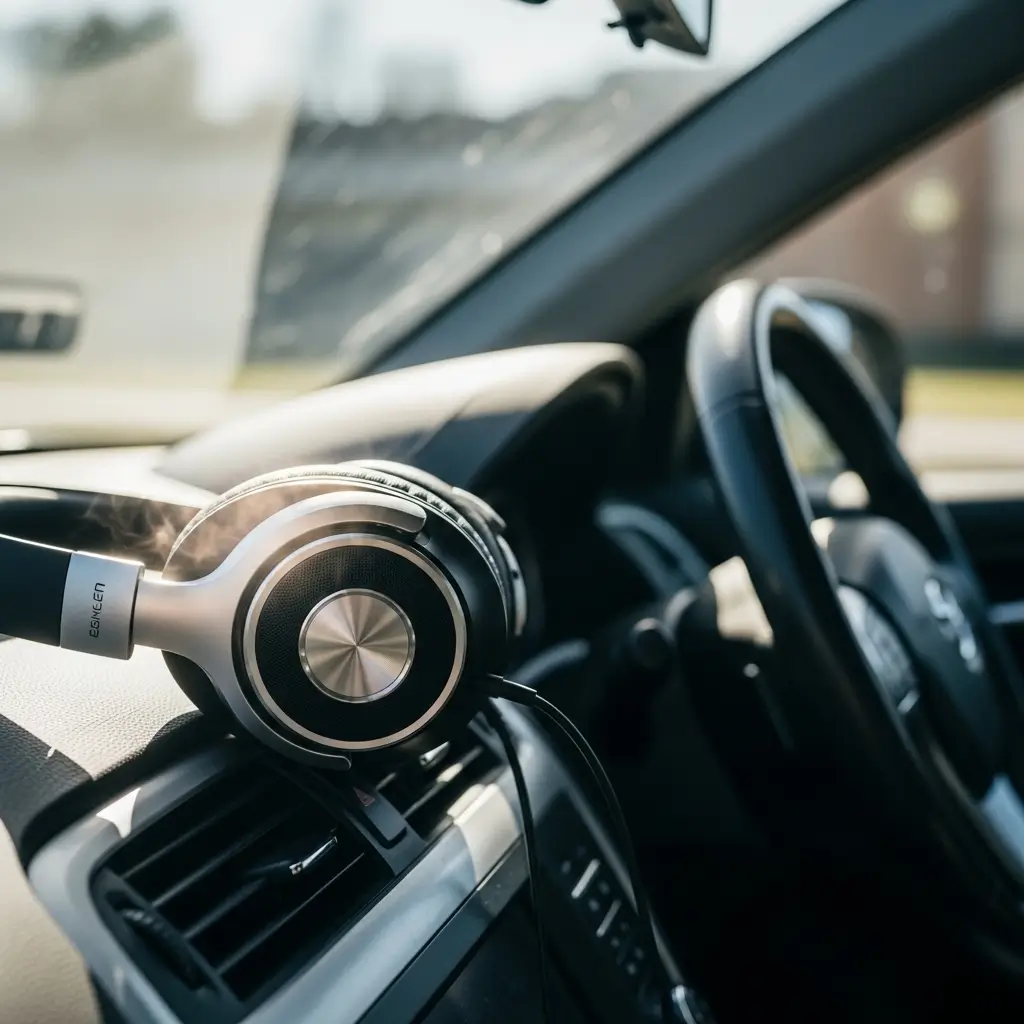
Let us imagine the worst-case scenario actually happens. You forget your headphones on the patio table for three hours.
You pick them up, and they feel exactly like a freshly baked potato. Do not panic, but do not do anything stupid either. You must follow specific steps to save them.
First, power them down immediately. Do not press the power button to see if they still play music. Forcing electrical power through overheated circuits guarantees permanent motherboard damage.
Second, move them to a cool, dark place indoors. Place them on a solid, cool surface like a granite kitchen countertop or a thick wooden table. These dense materials naturally help pull the heat away from the hot plastic device.
Third, never put them in the refrigerator or freezer. I see people recommend this terrible advice online, and it drives me crazy. Placing hot electronics into a freezing environment causes immediate internal condensation. Tiny water droplets will form directly on the delicate motherboards. You will successfully trade your heat problem for severe water damage.
Finally, leave them completely alone for at least two hours. Let them return to room temperature naturally and slowly. Once they feel perfectly cool to the touch, you can try turning them on. If they power up and pair with your phone, you officially dodged a massive bullet.
A Final Word on Sun Exposure and Tech
We love taking our music everywhere we go. We pack our bags, grab our travel gear, and head out into the beautiful world.
But we often forget that our expensive electronics share the exact same weaknesses we do. If the sun feels too hot for your bare skin, it definitely feels way too hot for your fragile audio gear.
Can headphones overheat in the sun? You now know the undeniable truth. The sun effortlessly melts your plastics, ruins your premium faux leather, and completely destroys your battery capacity.
The thermal damage adds up quickly, and tech companies will happily deny your warranty claim if they find evidence of heat damage.
Treat your headphones exactly like a vampire. Keep them in the dark, protect them from direct sunlight, and always store them in a cool place.
You paid good money for that incredible sound quality. Keep the sun away from your gear, and your favorite summer playlist will keep playing flawlessly for years to come. FYI, your wallet will definitely thank you for taking better care of your stuff.