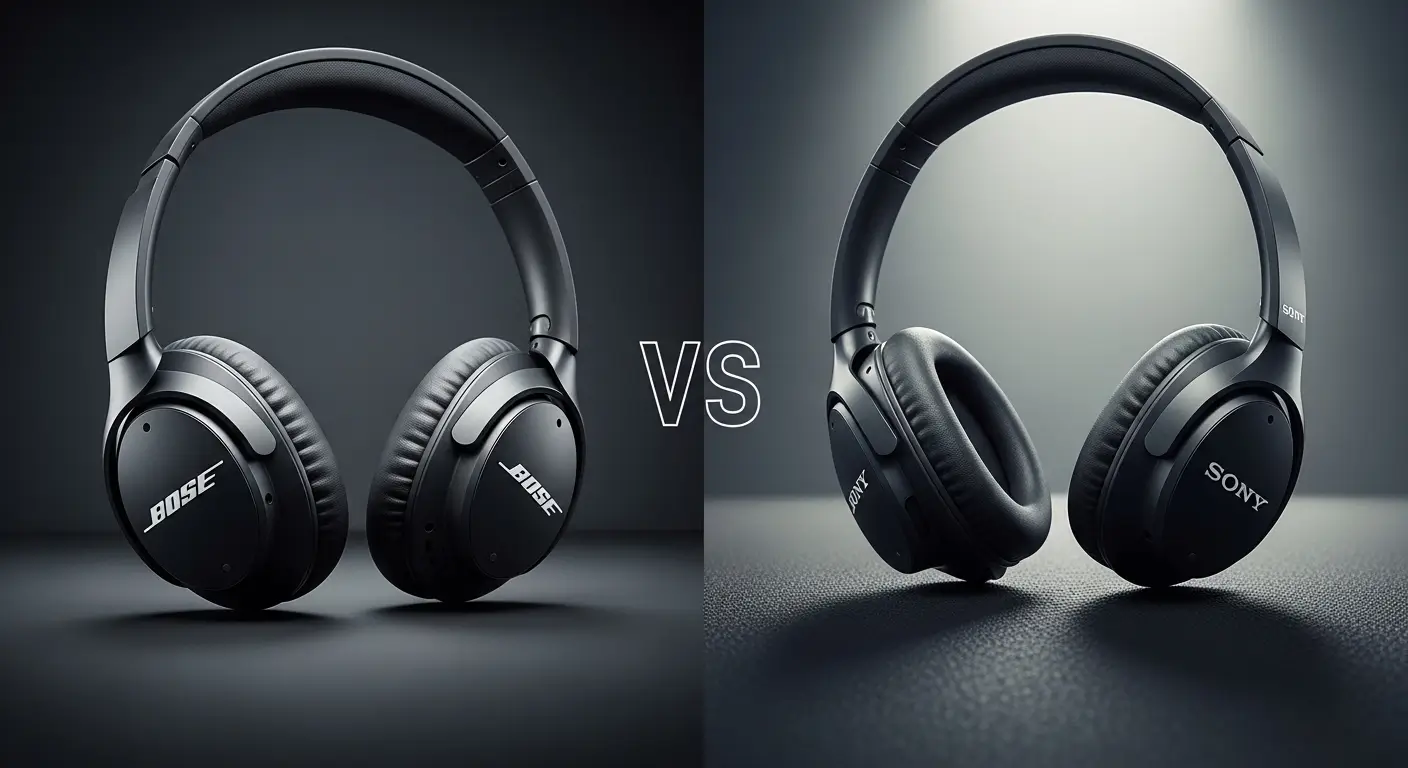
You want the cold, hard truth about audio performance. You just queued up your favorite playlist, and you need the right hardware to actually feel that low-end thump. I spend endless hours wearing headphones while brainstorming SEO content strategies or outlining my next big long-tail keyword project. Quality sound fuels my entire creative process.
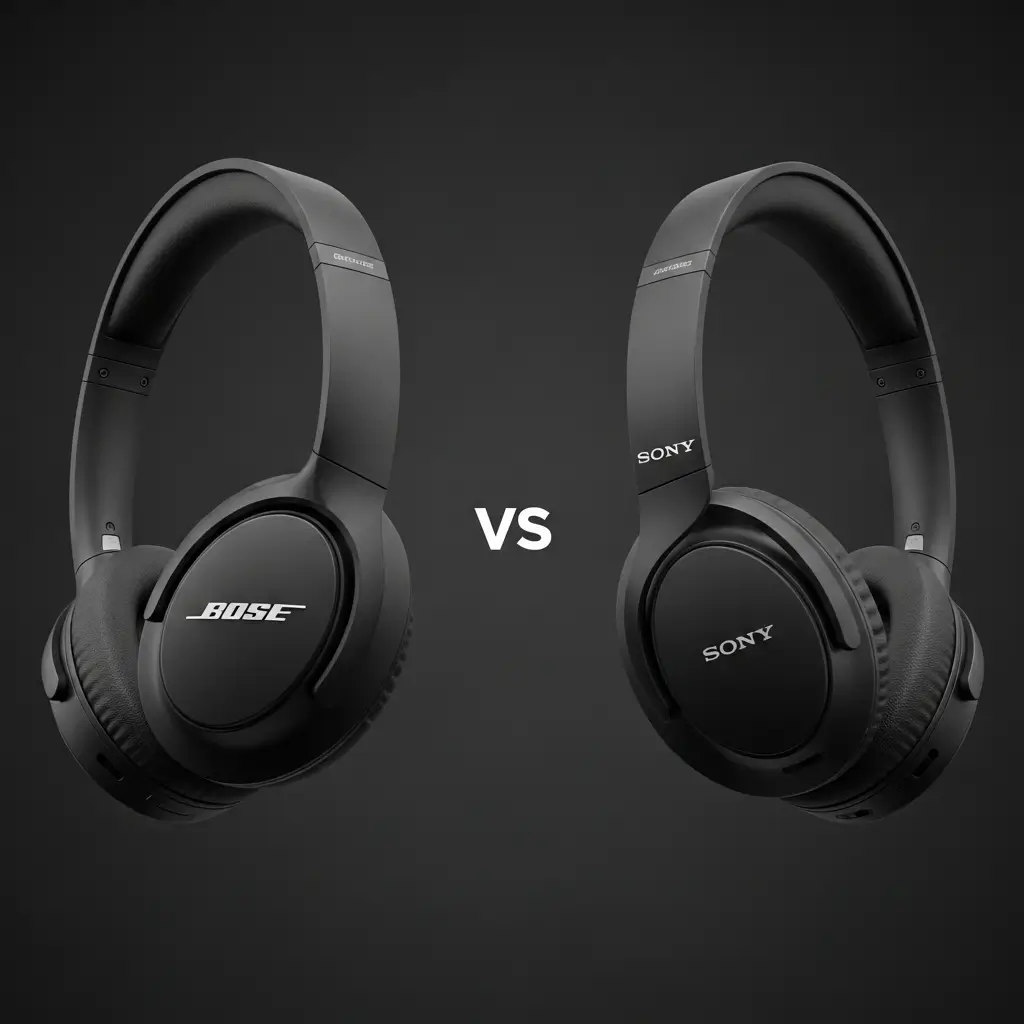
So, do Bose headphones have better bass than Sony? I will give it to you straight: Sony generally packs a much heavier, aggressive bass punch, while Bose delivers a more controlled, refined low-end. Which one wins? That depends entirely on how you prefer to experience your music.
1.Decoding the Sony Bass Experience
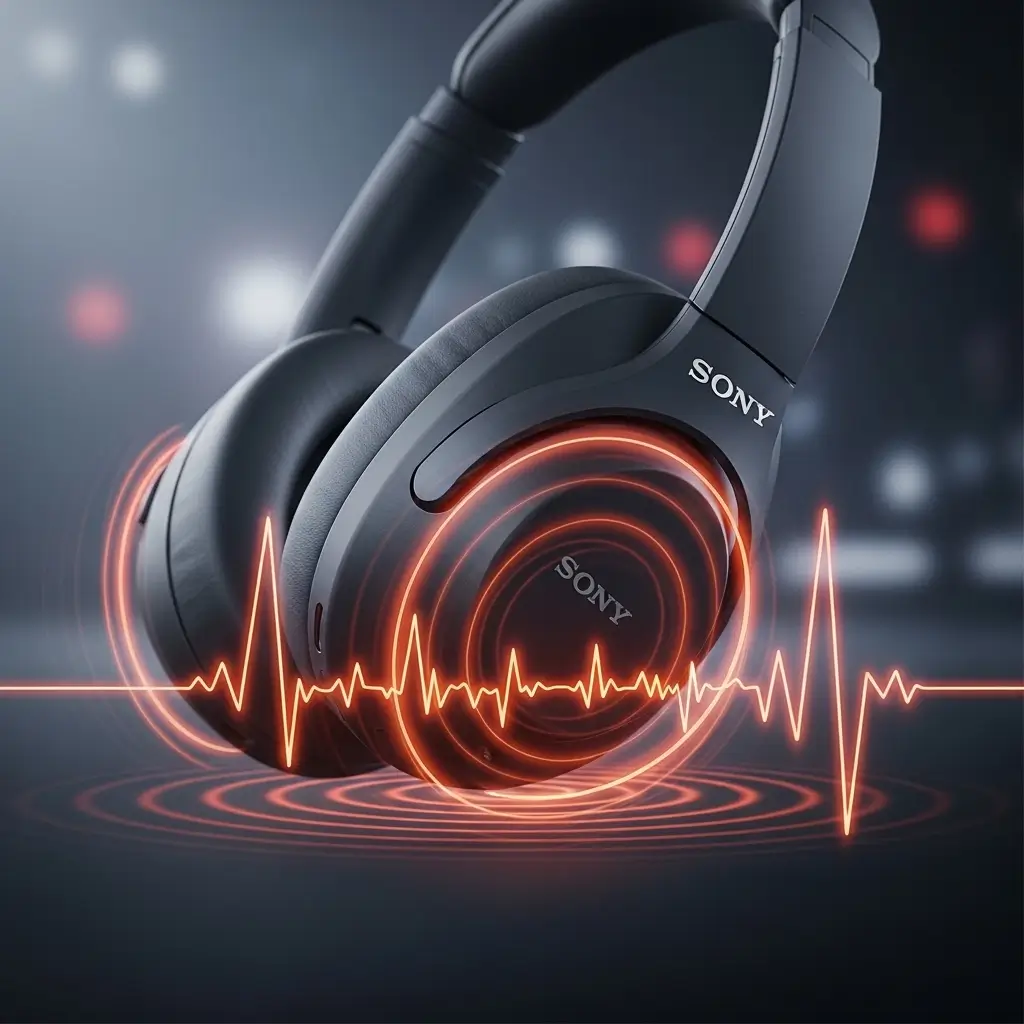
Sony engineers aggressively target the bass-loving demographic. They understand that many listeners want to physically feel the beat drop. Do you crave that club-like vibration inside your skull? Sony definitely answers that call.
The Legacy of Low-End Power
Sony built its reputation on dominant bass frequencies. The company even markets entire product families under the “Extra Bass” banner. When you put on the flagship Sony WH-1000XM5 headphones, you immediately notice the warm, thick low-end.
The drivers push significant air to emphasize kick drums and heavy synth lines. This tuning works absolute wonders for hip-hop, EDM, and modern pop music. You get a cinematic boom that makes every track sound massive.
Total Control Over the Boom
Sony does not just force heavy bass on you. The company provides the excellent Sony Headphones Connect app to put you in the driver’s seat. You can adjust the “Clear Bass” slider to dial the low frequencies up or down.
I love this feature because it lets me customize the sound exactly how I want it. If a track sounds too muddy, I just slide the EQ down a few notches. If I need extra energy for a workout, I crank that slider right back up.
Consider these key bass characteristics you get with Sony:
- Thick, resonant sub-bass that vibrates your skull.
- Adjustable EQ settings that you control via the companion app.
- Warm overall sound signature that heavily flatters modern genres.
- Occasional midrange bleed, where heavy bass overshadows delicate vocals.
2.Breaking Down the Bose Sound Profile
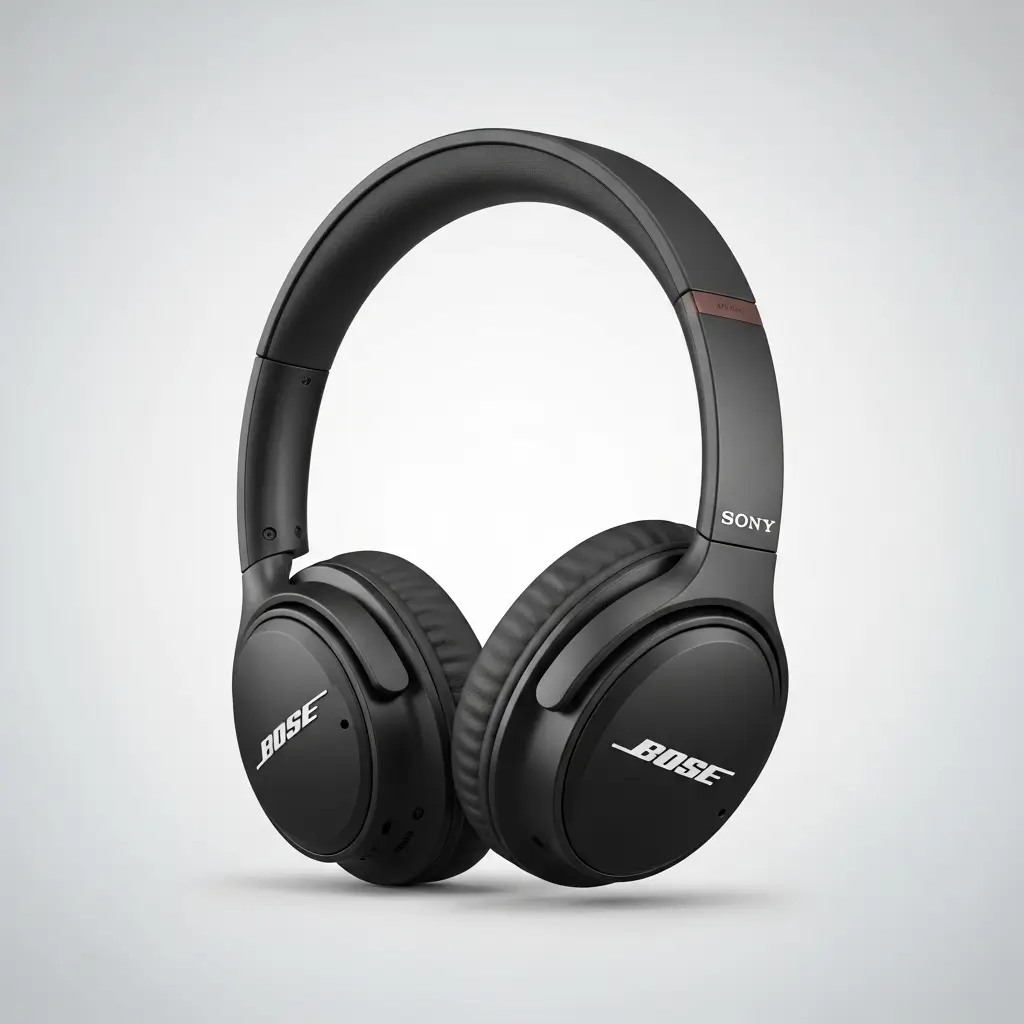
Bose takes a completely different path. Bose acoustic designers prioritize a neutral, perfectly balanced soundstage. They want you to hear every single instrument with absolute clarity. Bose strives for acoustic harmony above all else.
Precision Over Power
Audiophiles often praise Bose for its precise audio reproduction. When you slip on a pair of Bose QuietComfort Ultra headphones, the bass sounds tight and incredibly punchy. It never overpowers the rest of the track.
Bose engineers design their drivers to hit fast and recover quickly. This creates a very clean low-end response. You hear the exact note the bass guitar plays, rather than just a generalized rumble.
Does this mean Bose lacks bass? I completely disagree. It simply means Bose delivers bass with surgical precision rather than brute force.
The Magic of Active EQ
Bose utilizes proprietary Active EQ technology to manage sound at different volume levels. If you listen at a low volume, the headphones automatically boost the bass to ensure the track still sounds full.
If you crank the volume to maximum, the headphones rein in the low frequencies to prevent distortion. I appreciate this smart technology because it guarantees consistent audio quality no matter how loud I play my music.
Examine the standout bass features of Bose headphones:
- Tight, controlled bass response that prevents muddy audio.
- Exceptional clarity that highlights every individual instrument.
- Active EQ technology that optimizes sound dynamically.
- Less sub-bass rumble than heavily tuned competitors.
3. The Evolution of Audio: How We Got Here
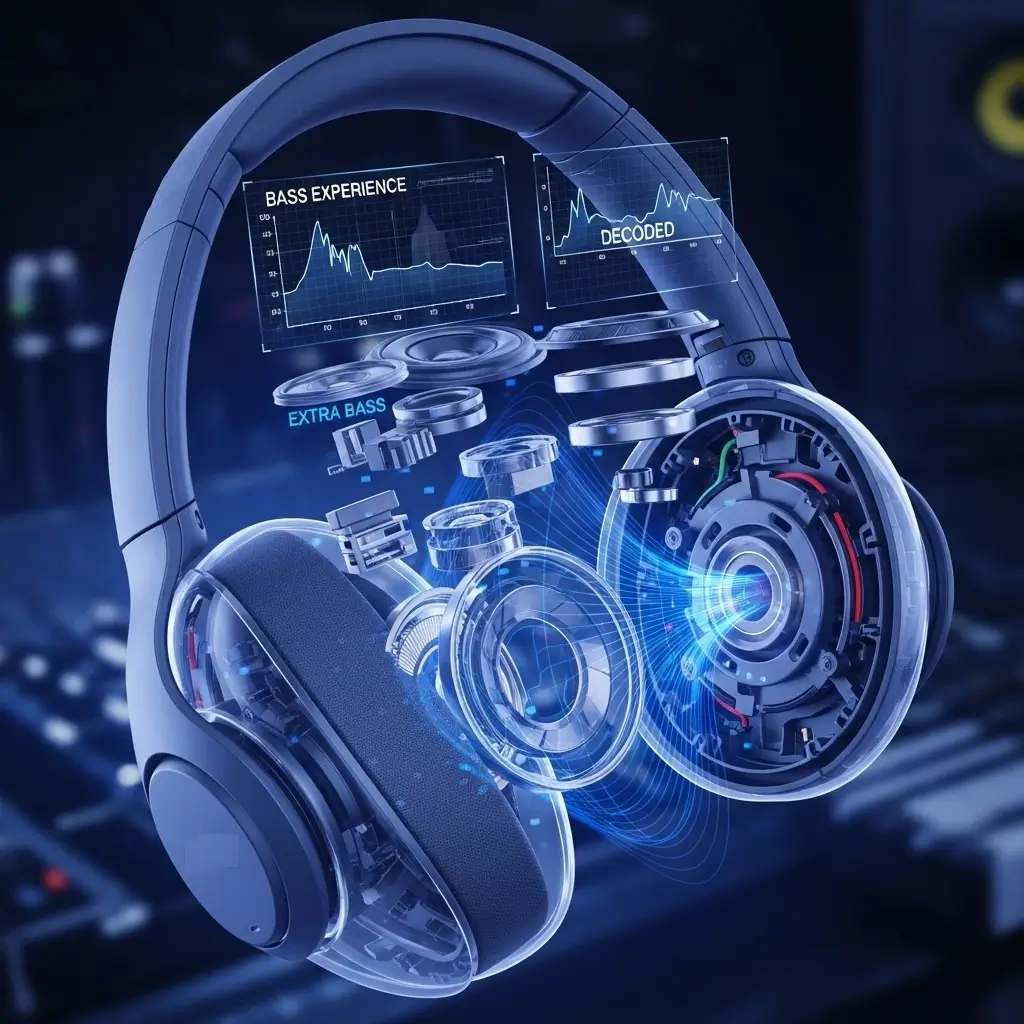
We must look back at audio history to understand this current rivalry. Decades ago, consumer headphones completely lacked low-end power. Listeners accepted thin, tinny audio as the standard for portable music.
Sony changed the game entirely in the 1980s with the Walkman era. The engineers realized that portable music required a synthetic bass boost to sound exciting. Sony pioneered the “Megabass” switch on its cassette players.
This simple hardware toggle revolutionized how people experienced low frequencies on the go. They established a legacy of heavy, impactful sound that continues today.
Dr. Amar Bose founded his company on a vastly different philosophy. He focused his research on psychoacoustics, studying how the human brain actually perceives sound. Bose engineers spent decades perfecting noise-canceling technology for airplane pilots before bringing it to everyday consumers.
They always prioritized vocal clarity and instrumental separation over aggressive bass. This historical dedication to acoustic purity perfectly explains why modern Bose headphones still sound so polite and controlled.
4. The Head-to-Head Showdown
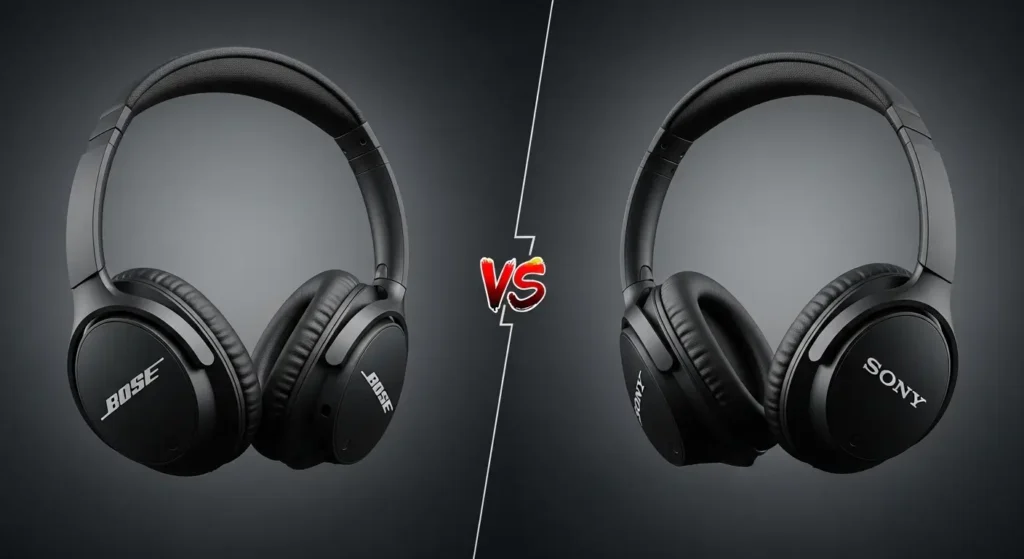
Let us pit these two audio giants against each other. We need to look at how they handle different musical challenges.
Handling Bass-Heavy Genres
Put on a heavy trap beat or a booming dubstep track. Sony absolutely dominates this category. The Sony drivers embrace the chaos and deliver a monstrous low-end experience.
Bose handles these same tracks admirably, but it refuses to let the bass run wild. Bose keeps the track sounding polite and accurate. Do you want your music to hit you like a brick wall? You need Sony.
Acoustic and Rock Music Performance
Switch over to classic rock, acoustic sets, or jazz. Here, Bose truly shines. The tight bass response allows the intricate details of acoustic guitars and subtle drum brushes to cut through the mix.
Sony can sometimes make these genres sound artificially thick or slightly muffled. The aggressive low-end tuning of Sony occasionally works against delicate musical arrangements.
5. Analyzing the Heavyweights: Specific Model Comparisons
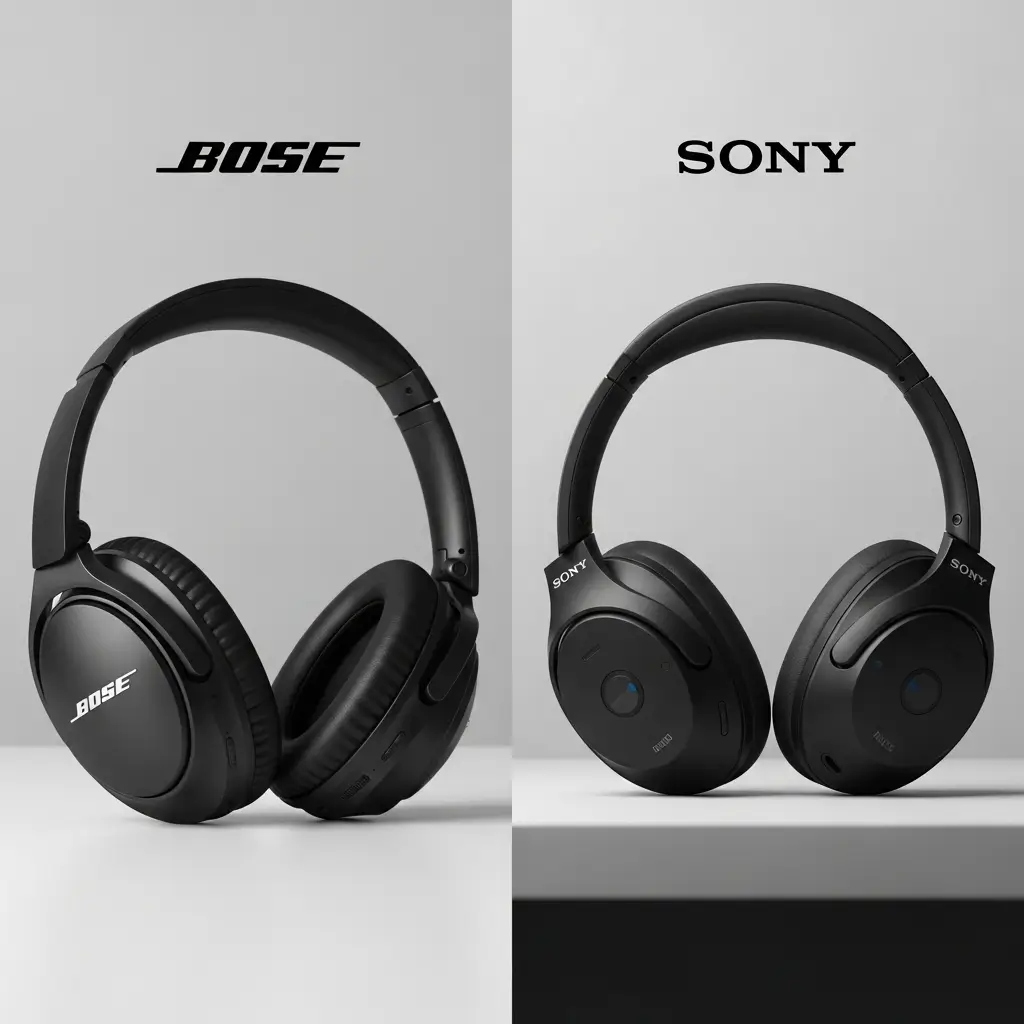
Let us get specific. Broad brand comparisons only take us so far. We must analyze the exact models you will see on store shelves today.
Sony WH-1000XM5 vs. Bose QuietComfort Ultra
These two models represent the pinnacle of modern consumer audio. Sony redesigned the XM5 from the ground up. The engineers swapped out the old 40mm drivers for new 30mm carbon fiber domes.
You might think smaller drivers mean less bass. You would be wrong. Sony tuned these new drivers to deliver incredibly punchy, responsive lows. The bass feels tighter than previous generations, but it still heavily dominates the soundscape.
Bose fired back with the QuietComfort Ultra. Bose completely revamped its audio processing for this flagship release. The Ultra introduces Immersive Audio technology.
This feature creates a massive, three-dimensional soundstage. When you turn Immersive Audio on, the bass opens up beautifully. It feels like you sit in a room with high-end speakers rather than wearing headphones.
The Legacy Models: Sony XM4 and Bose QC45
Maybe you want to save some cash. The previous generation models still offer incredible value. The Sony WH-1000XM4 remains a legendary headphone. Many hardcore bass enthusiasts actually prefer the XM4 over the newer XM5.
The XM4 features those massive 40mm drivers that deliver raw, untamed low-end power. If you want maximum boom for your buck, the XM4 rarely disappoints.
Bose counters with the QuietComfort 45. Bose built the QC45 as a purely functional, incredibly comfortable travel companion. The sound profile stays ruthlessly neutral.
Honestly, the QC45 can sound a bit sterile if you love heavy sub-bass. You choose the QC45 for the legendary comfort and top-tier noise cancellation, not for party-starting bass.
6.The Impact of Physical Design on Sound
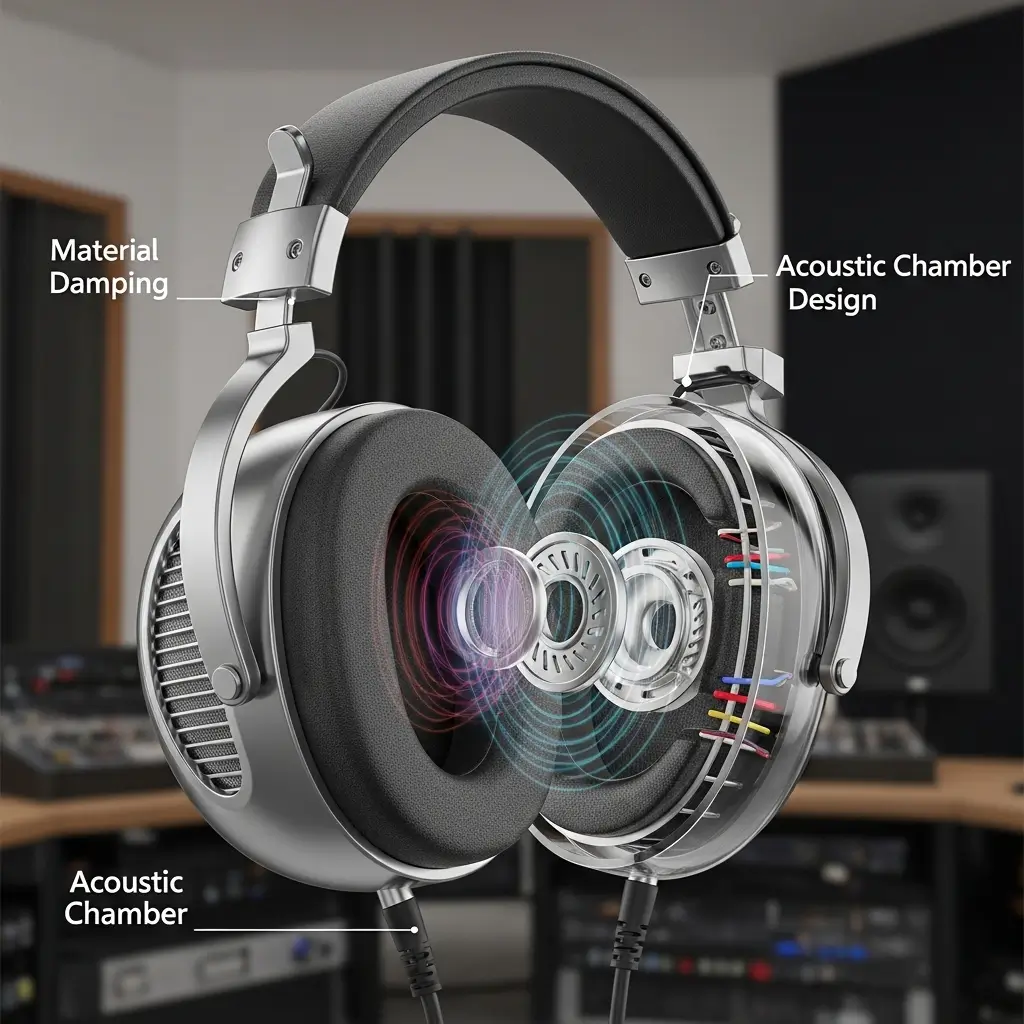
Most people ignore how physical design affects audio reproduction. The materials and clamping force directly impact how you perceive bass frequencies.
Earpad Seals and Bass Delivery
You need a perfect seal around your ears to experience deep bass. If air escapes, the low frequencies instantly vanish. Sony designs its earpads with plush synthetic leather that creates a tight vacuum against your skull.
This firm seal traps the low-frequency waves and channels them directly into your ear canals. This physical design choice actively enhances the Sony bass experience.
Acoustic Chambers and Airflow
Bose utilizes advanced acoustic porting within its earcups. The engineers design tiny vents that allow the drivers to breathe. This precise airflow control enables the Bose headphones to produce deep, accurate bass without requiring massive, heavy drivers.
The venting system prevents the bass from echoing inside the earcup. This creates that signature clean, clinical Bose sound profile.
7. Real-World Scenarios: Where Does Each Brand Excel?
Let us take these headphones out of the laboratory and into the real world. Your daily routine dictates which sound profile will serve you best.
Commuting and Air Travel
Picture yourself on a loud, vibrating airplane. Engine noise naturally cancels out low-frequency sounds in your music. Sony headphones combat this brilliantly.
The inherent heavy bass tuning cuts through the cabin noise, keeping your music sounding full and dynamic. Bose headphones handle flights perfectly due to their legendary Active Noise Cancellation, but you might find yourself bumping up the bass EQ to compensate for the engine rumble.
Sweating it Out at the Gym
Do you need intense motivation to finish your last set of heavy squats? Sony provides the ultimate gym soundtrack. The aggressive bass thump matches your heart rate and pushes you through the fatigue.
The heavy low-end energy practically forces you to keep moving. Bose still sounds fantastic in the gym, but the polite bass response might leave you wanting more aggression during a tough workout.
Deep Focus and Productivity
I spend countless hours curating long-tail keywords for my SEO content projects. I need music to keep me focused, but I cannot handle distracting, booming bass while I work. This is exactly where Bose headphones shine.
The balanced, non-fatiguing sound profile allows me to listen for six hours straight without getting a headache. The heavy Sony bass often distracts me when I need to concentrate on complex tasks. Sometimes too much boom just ruins the workflow, :/
8. Let Us Talk About Value and Pricing
Premium sound demands a premium price tag. You will drop a significant amount of money on either brand. Do these headphones justify their cost?
Yes, they absolutely do. Both brands pack their devices with cutting-edge technology, premium materials, and stellar support. FYI, you can often find both brands on sale during major holiday events.
I highly recommend watching for discounts before you make a final decision. Sometimes a quick price drop makes the choice much easier. Compare the current prices of the Bose QuietComfort line against the Sony WH-1000 series before you click the checkout button.
Final Thoughts on the Great Bass Debate
We finally return to the core question. Do Bose headphones have better bass than Sony? The answer entirely depends on your definition of “better.”
If “better” means louder, deeper, and more aggressive, then Sony wins without a single doubt. Sony builds headphones that make you feel the music in your chest. They cater to listeners who want maximum energy and customizable boom.
If “better” means accurate, balanced, and perfectly controlled, then Bose takes the crown, IMO. Bose refuses to let bass ruin the clarity of the overall track. They provide a refined, sophisticated listening experience that respects the original artist’s vision.
Ultimately, both companies produce phenomenal audio equipment. You cannot make a wrong choice here, only a choice that fits your specific needs. I personally lean toward Bose because I value that pristine clarity while mapping out my next big SEO content strategy.
Do you want a portable nightclub, or do you want a private concert hall? Grab your favorite playlist, head to your local electronics store, and test them both out for yourself. Which bass profile speaks to your soul? Let me know your ultimate audio champion!