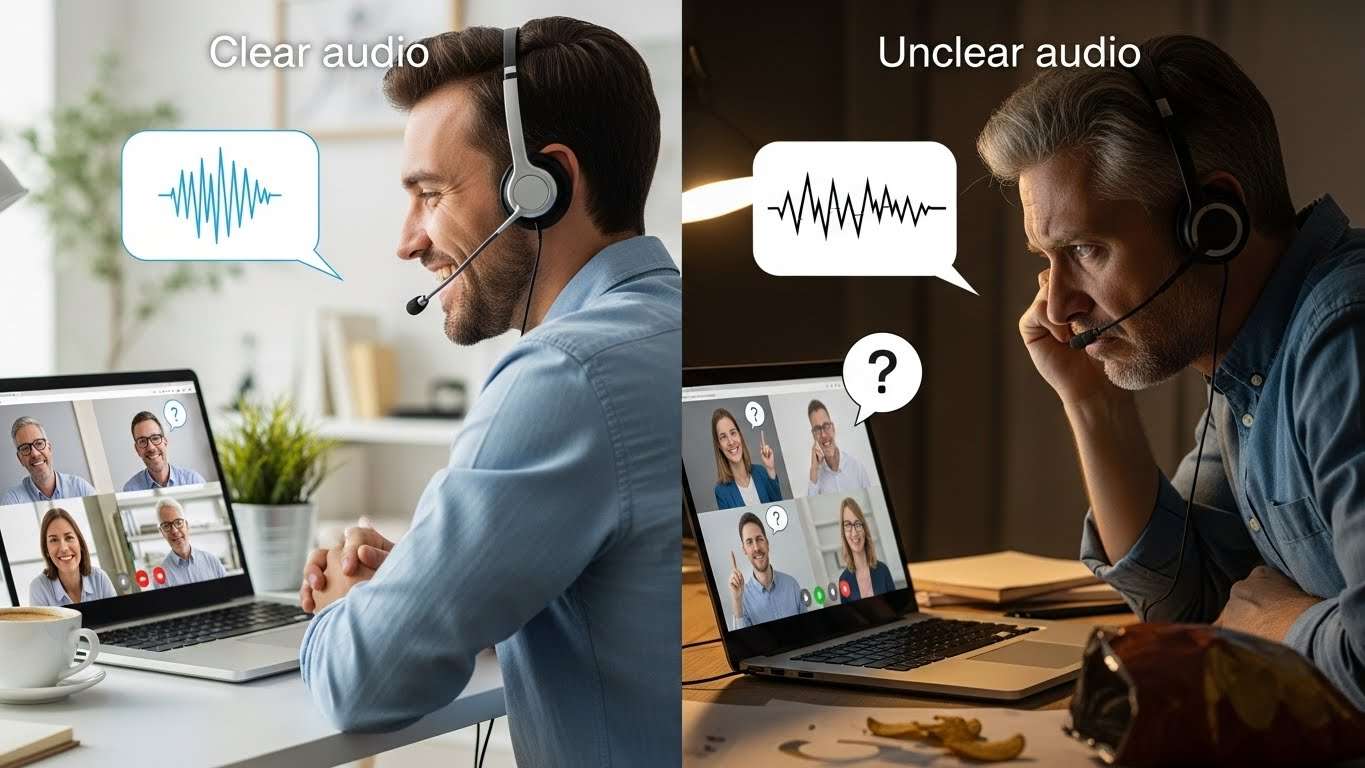
In today’s fast-paced world of remote work, virtual meetings, and casual video chats, clear audio isn’t just a luxury it’s essential. Imagine wrapping up a client call only to hear feedback like, “Sorry, could you repeat that?” Frustrating, right? The culprit might not be your internet connection or fancy headset, but something far simpler:
where your microphone is positioned. Yes, microphone placement profoundly impacts call clarity. A slight adjustment can transform muffled murmurs into professional, engaging dialogue.
Drawing from audio experts at Shure and DPA Microphones, as well as practical tips from podcasters on Reddit and Soundtrap’s recording guides, this post dives deep into why it matters, how to optimize your setup, and pro tips to elevate your calls. Let’s tune in and turn up the quality.
1. Why Choose Optimal Microphone Placement?
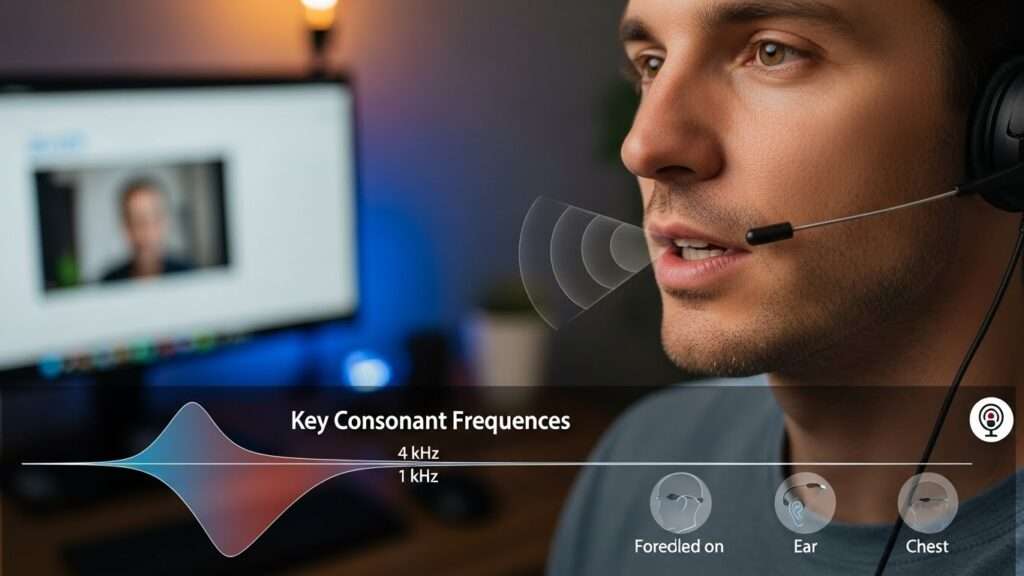
Optimal placement ensures your voice sounds natural and intelligible during calls, preserving key frequencies around 1-4 kHz for consonants. Positions like forehead or corner-of-mouth capture balanced sound similar to natural hearing, outperforming ear or chest spots that degrade highs. It boosts signal-to-noise ratio, rejecting ambient noise for professional clarity in Zoom meetings or podcasts.
Choosing the right spot also prevents proximity effect in directional mics, where too-close placement adds unwanted bass boom. Headset mics at 1/2 inch from the mouth deliver crisp audio without feedback risks. Ultimately, it saves time on post-EQ and elevates remote work or gaming calls.
2. How Placement Affects Clarity
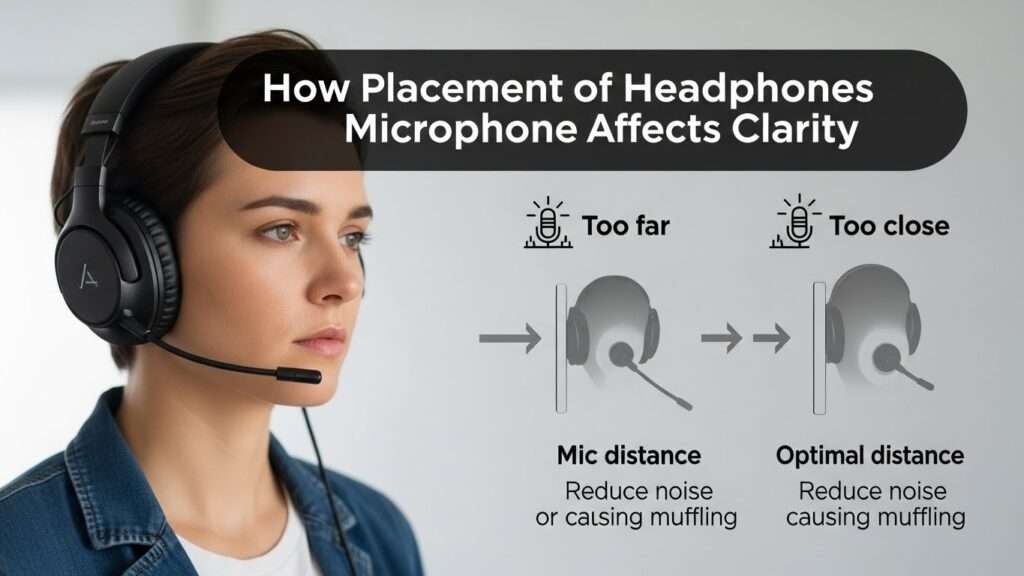
Microphone distance matters: 6-12 inches from the mouth hits the sweet spot, balancing clarity and avoiding distortion from breaths or plosives. Closer than 3 inches causes peaking; farther picks up room echo. Angle plays a role on-axis (direct to mouth) brightens sound but needs pop filters; off-axis at 30-45 degrees cuts mouth noises.
Vertical position alters tone: mouth-level or slightly above enhances highs; below chin muffles via lost 2-4 kHz range. Ear or neck spots drop intelligibility by attenuating consonants. Directional patterns like cardioid reject sides, ideal for calls amid noise.
Best Positions for Calls
- Headset Boom: Position at mouth corner, 1/2-2 fingers (1/4-1/2 inch) away for noise-canceling effectiveness.
- Lapel/Clip-On: 6-8 inches below chin, centered for natural tone without chest rumble.
- Standalone Mic: Mouth-level, 6-12 inches, angled slightly off-axis to tame plosives.
- Over-Ear Avoid: Degrades highs; use only if adjusted forward.
Test in your app’s preview for even levels.
Tips for Crystal-Clear Calls
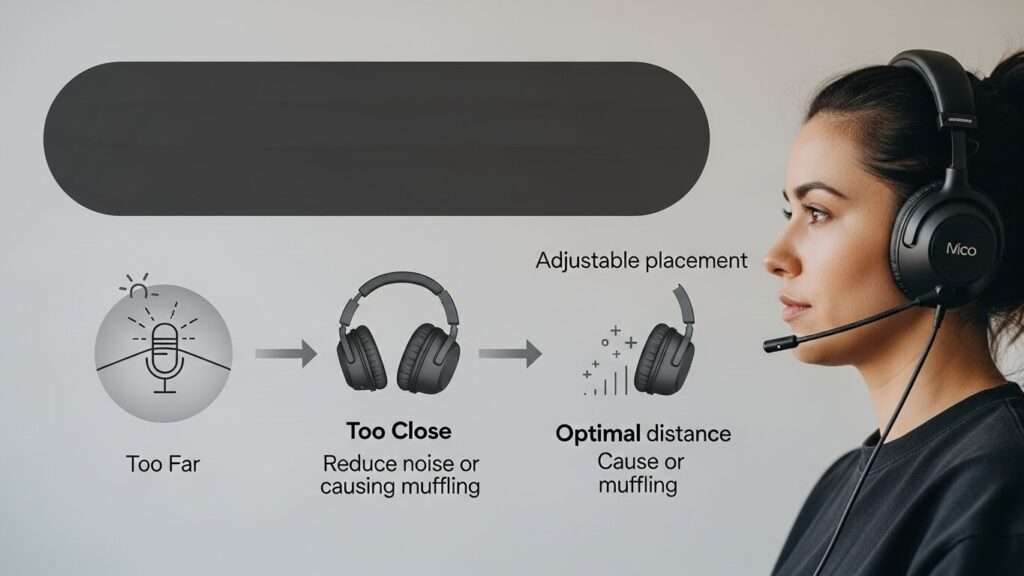
- Maintain 6-12 inches distance; adjust per mic sensitivity and room quietness.
- Align at mouth height, straight-on or 30-degree off-axis to dodge pops.
- Use pop filters for close setups; they cut “P” and “B” bursts.
- Point cardioid mics at your mouth, null sides toward noise sources.
- In noisy spots, get closer but watch proximity bass; back off 2-3 inches if boomy.
- For headsets, bend booms precisely to mouth edge without touching lips.
- Monitor levels live—aim for peaks at -6dB to avoid clipping.
- Experiment: Record tests, play back, tweak 1 inch at a time.
These steps double clarity effortlessly.
Conclusion
Microphone placement might seem like a minor detail, but as we’ve explored, it’s the linchpin of call clarity shaping tone, taming noise, and amplifying your message with effortless precision.
From the science of distances and angles to Pinterest-fueled creative setups, these insights empower you to ditch distortion and embrace audio excellence. Whether you’re sealing deals on Zoom or chatting with loved ones, small adjustments yield conversations that connect deeply.
Start simple: grab your mic, test a quick recording, and feel the difference. Your voice deserves to be heard loud and clear—position it right, and watch your calls come alive. Ready to speak volumes? Your next crystal-clear convo awaits.
Frequently Asked Questions
How close should a headset mic be?
About 1/2 inch or 1-2 fingers from mouth corner for optimal pickup and noise cancellation.
Does mic angle change call quality?
Yes, off-axis reduces plosives and highs slightly but improves naturalness; on-axis boosts clarity if filtered.
Why does chest placement sound muffled?
It drops 2-4 kHz consonants as it’s behind and below the mouth source.
Proximity effect in calls?
Directional mics closer than 6 inches add bass; pull back to balance.
Best for noisy environments?
Cardioid pattern, close (6 inches), aimed at mouth to reject sides