Ever strap a cold, plastic heart rate monitor to your chest before a morning run? I despise that feeling. The strap pinches your skin, slips down your torso, and generally ruins the workout vibe.
Then I discovered earbuds that track your pulse right inside your ear. I ditched the chest strap entirely after that first run. You plug in your music, start your workout, and your headphones do all the heavy lifting.
How do tiny speakers handle complex biometric tracking? Let us uncover the impressive tech hiding inside your workout earbuds.
1. The Magic Inside Your Ear: Photoplethysmography
Shedding Light on the Science
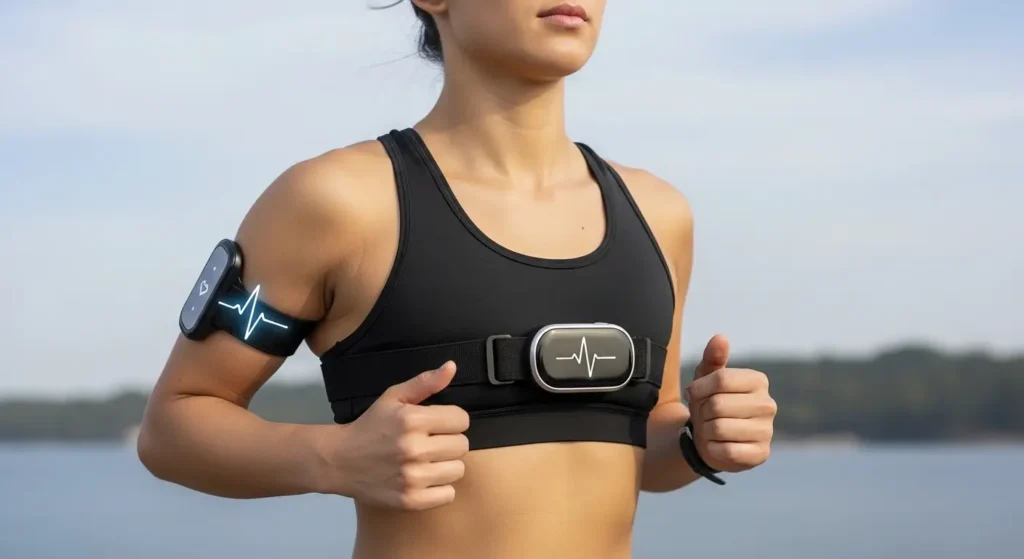
Engineers call this technology Photoplethysmography. We usually just abbreviate it to PPG. FYI, this is the exact same technology your smartwatch uses to count your steps and measure your pulse. If you look closely at a heart-rate tracking earbud, you will see a tiny LED light. Manufacturers place this light on the inside curve of the device so it shines directly into the skin of your ear canal.
Watching Your Blood Flow
Your blood flow changes with every single heartbeat. As your heart pumps, more blood rushes through your vessels. Between beats, the blood volume drops significantly. The tiny LED illuminates this microscopic ebb and flow. The light travels through your skin and hits your blood vessels.
Reading the Reflections
Right next to that little light sits a microscopic optical sensor. This sensor catches the light that bounces back from your skin tissue.
More blood absorbs more light, while less blood reflects more light. The sensor constantly measures these changing light reflections. It sends this raw, optical data straight to a tiny processor inside the earbud.
The processor counts the peaks in light absorption and translates them into your beats per minute. I find it absolutely wild that engineers fit all this complex tech into something the size of a jellybean.
2. Step-by-Step: The Biometric Journey
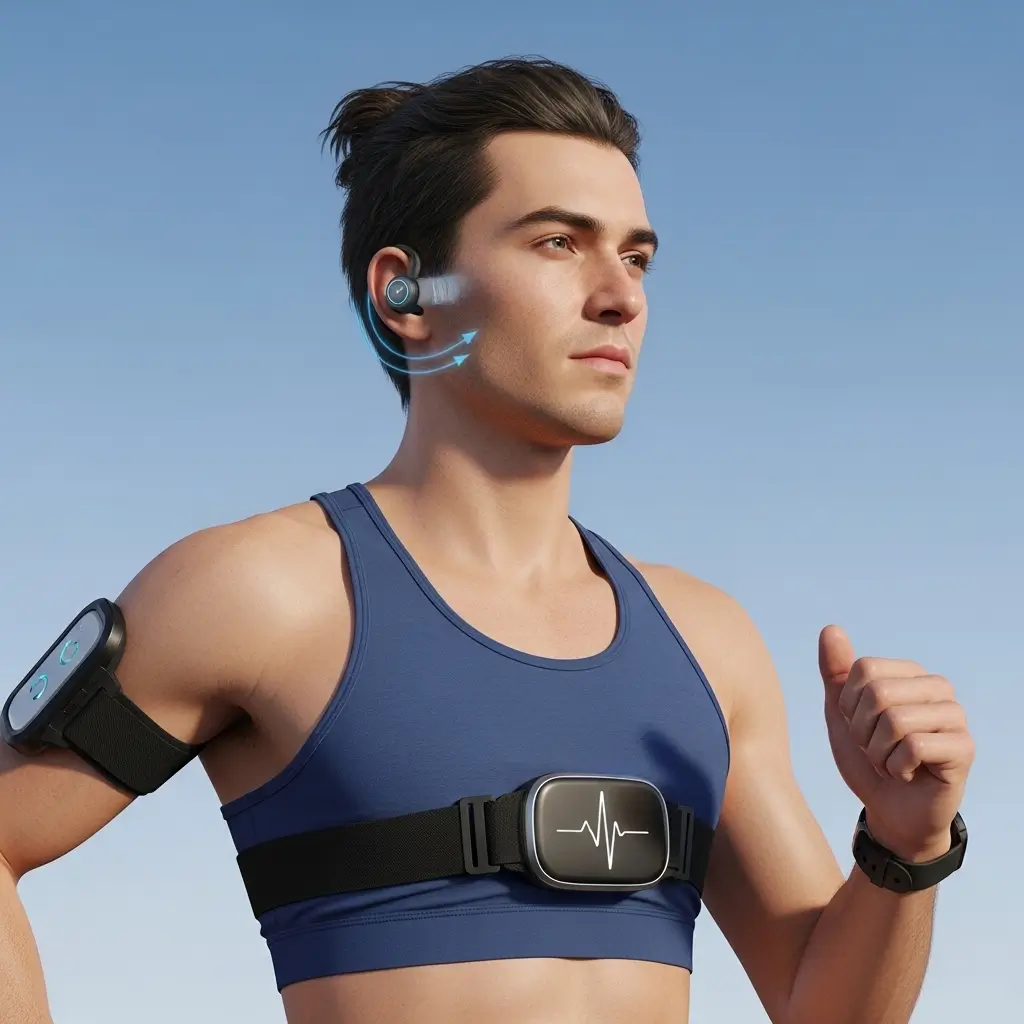
We need to look at the exact sequence of events. Companies build a complex chain of command inside these tiny devices to get the data from your ear to your phone.
- The LED Fires: The earbud shines an infrared or green light into your tragus or ear canal.
- The Sensor Listens: The photodiode captures the scattered light returning from your tissue.
- The Software Cleans: Onboard algorithms filter out background noise, like your heavy footfalls or jaw movements.
- The Bluetooth Transmits: The earbud sends the calculated heart rate data to your preferred fitness app.
- The Screen Displays: You see your current pulse on your smartphone screen in real-time.
3. Wrist vs. Ear: Which Location Wins?
The Anatomy Advantage
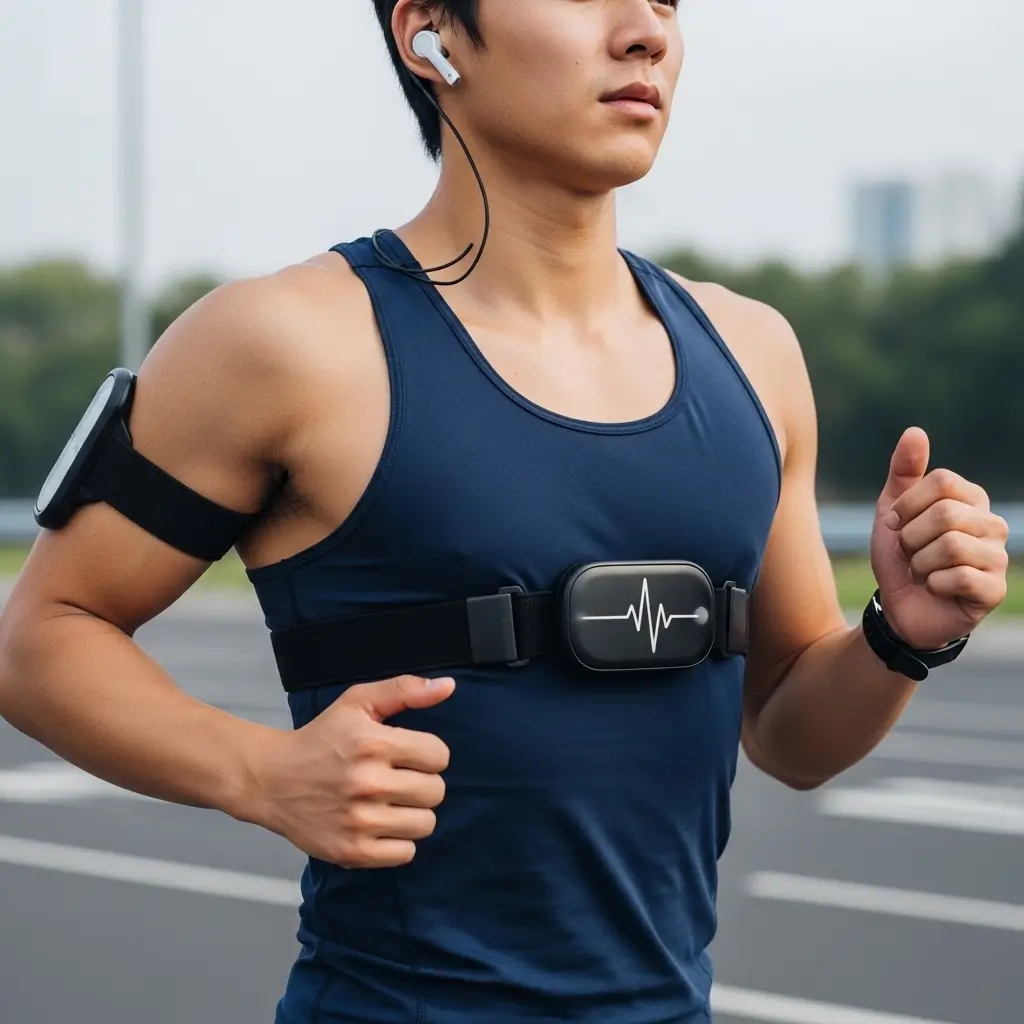
You probably already own a fitness watch. Why do you need headphones to track your pulse? IMO, the ear actually provides a vastly superior location for biometric tracking. Your ear canal contains a dense, intricate network of blood vessels.
These vessels sit extremely close to the skin’s surface. Your wrist, on the other hand, consists mostly of thick bone, tough tendon, and dense muscle. Smartwatches constantly fight through all that extra tissue just to find a reliable pulse.
Escaping the Motion Problem
Think about your arms during a heavy sprint. You swing them wildly back and forth. This violent movement shakes your smartwatch, breaks the sensor’s contact with your skin, and creates terrible data.
Scientists call this “motion artifacting.” Your head stays surprisingly stable while you run, cycle, or lift weights. Your ear canal provides a dark, secure environment for the optical sensor.
The earbud sits snugly in place, blocking out external light and keeping the sensor perfectly aligned. I always get cleaner data from my earbuds during intense interval training than I ever do from my expensive smartwatch.
4. Overcoming the Engineering Nightmares
The Battle Against Sweat
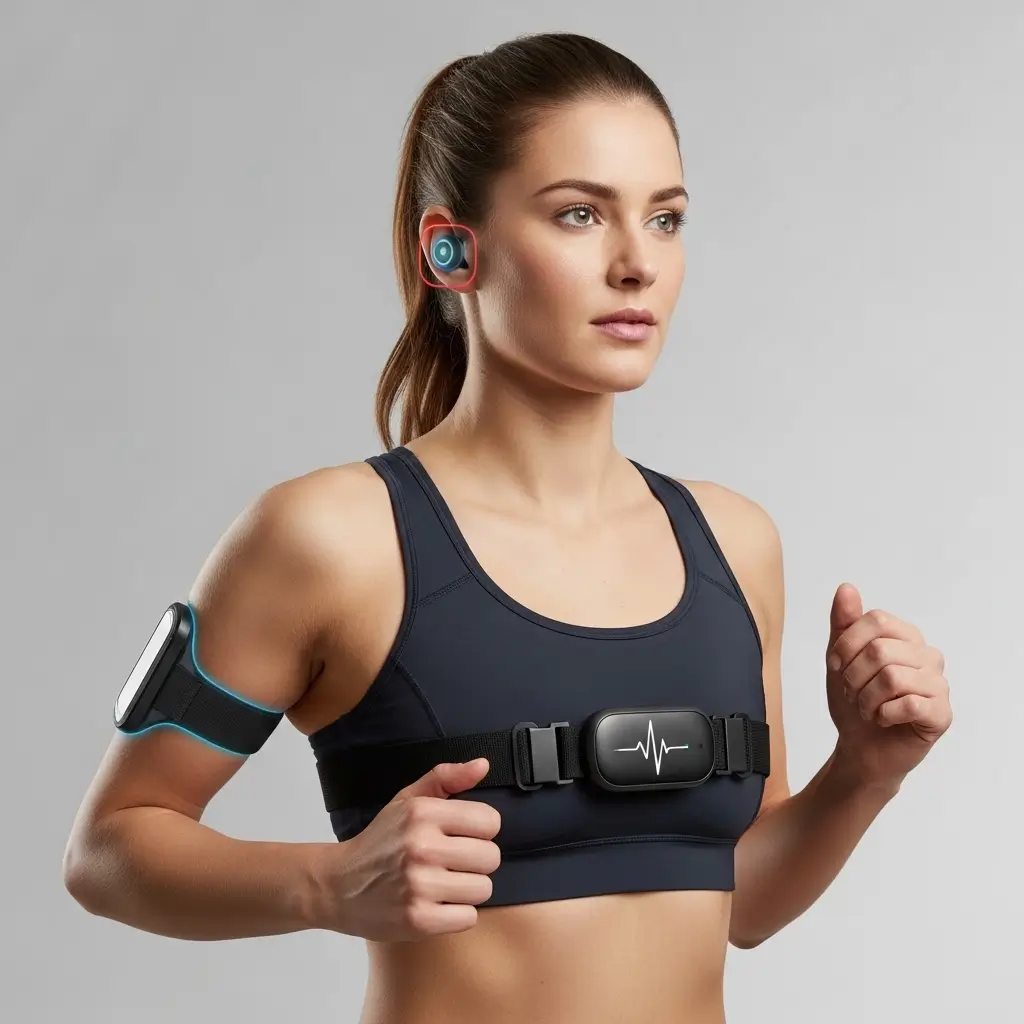
Water bends light. Sweat creates a massive problem for delicate optical sensors. When you crush a tough workout, sweat pools inside your ear.
This moisture scatters the LED light and totally confuses the sensor. Engineers solve this by applying specialized, highly hydrophobic coatings to the sensor window. They also design the silicone tips to channel moisture away from the critical optical components.
The Perfect Fit Dilemma
Every human ear features a completely unique shape and size. A biometric sensor only works if it maintains constant, unbroken skin contact. If your earbud wiggles, ambient sunlight leaks in and ruins the reading.
I once bought a pair of cheap tracker buds that completely failed because they refused to stay put. You get what you pay for, right? Premium brands combat this fitment issue by including an absurd number of wingtips and silicone sleeves in the box.
You must find the perfect seal to get accurate heart rate data. Take the time to test every single ear tip before you hit the gym.
5. Why Heart Rate Training Actually Matters
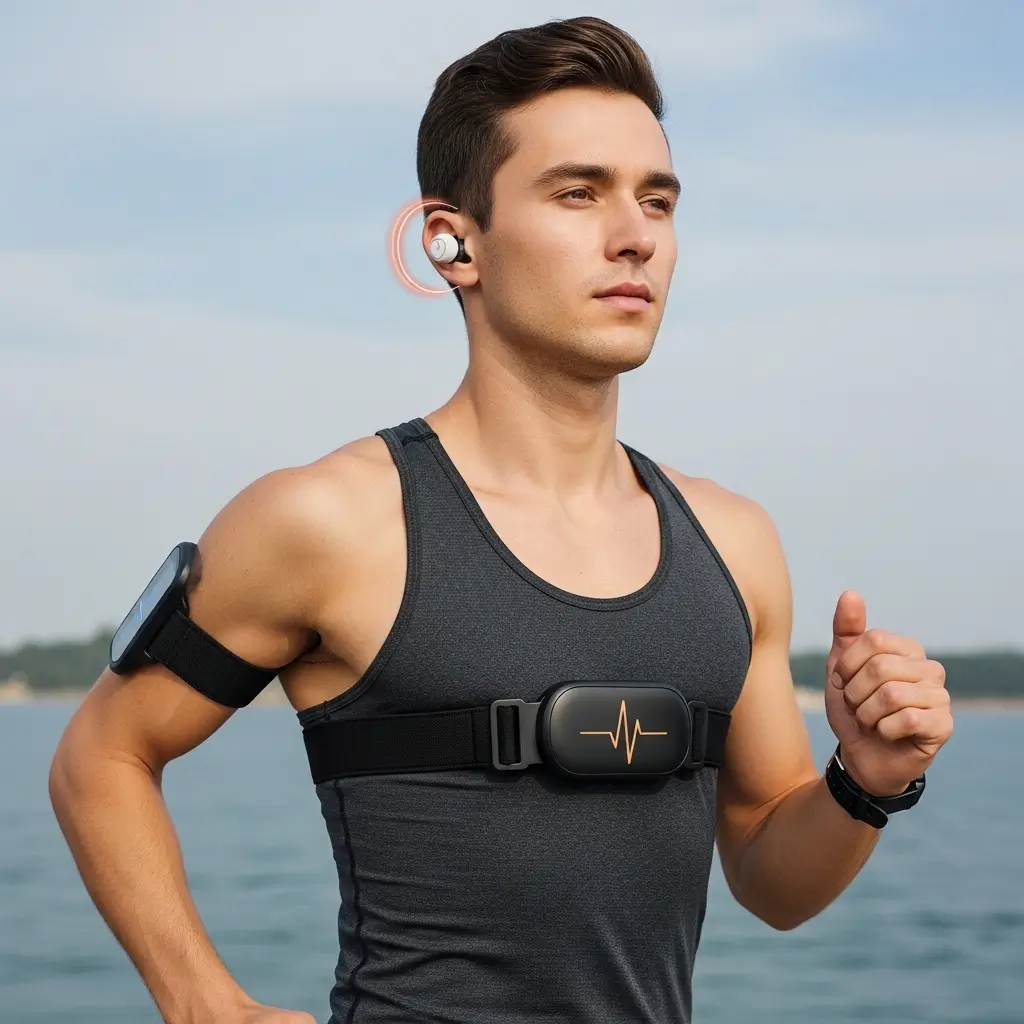
Hitting the Right Zones
Why should you even care about tracking your pulse? Heart rate training completely transforms how you exercise. You stop guessing your effort level and start using hard data.
You divide your maximum heart rate into different percentages or “zones.” Staying in Zone 2 builds your aerobic base and burns fat. Pushing into Zone 4 improves your anaerobic threshold.
Preventing Overtraining
Tracking your pulse also keeps you honest. Sometimes you feel terrible, but your heart rate stays low. This tells you to push harder. Other days, you feel fine, but your heart rate skyrockets during a warm-up.
This indicates fatigue or impending illness. Your headphones catch these subtle signals and help you avoid overtraining injuries. I rely on this data to tell me when to take a rest day.
6. Comparing the Top Fitness Earbuds
Let us look at how different audio brands tackle this technology. I test a lot of workout gear, and a few specific models really stand out from the crowd.
Sennheiser Momentum Sport
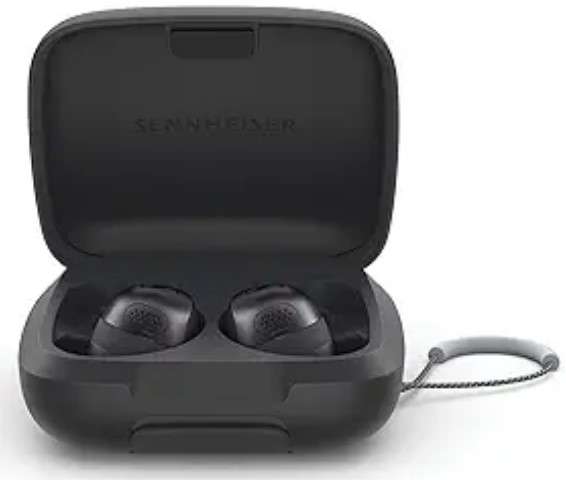
Sennheiser absolutely nails the biometric integration here. These buds measure both your heart rate and your core body temperature. They integrate seamlessly with Polar’s elite fitness ecosystem. I love the rich, punchy sound profile they deliver during heavy lifts.

Amazfit PowerBuds Pro
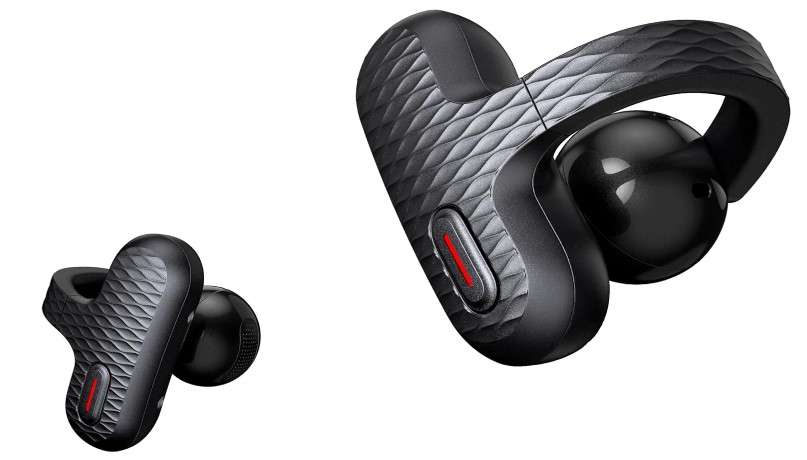
These offer a budget-friendly entry into ear-based tracking. They monitor your cervical spine posture alongside your pulse. They feel a bit plastic, but they get the job done for casual runners.
Jabra Elite Sport
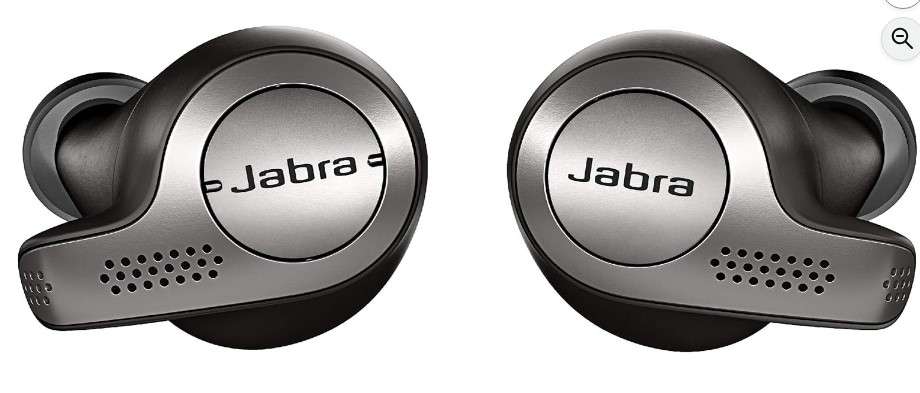
Jabra practically pioneered this fitness space. They built rugged, durable buds that withstand brutal, muddy workouts. They accurately track your reps during strength training, too.
7. Maximizing Your Heart Rate Tracking Accuracy
Keep Your Sensors Spotless
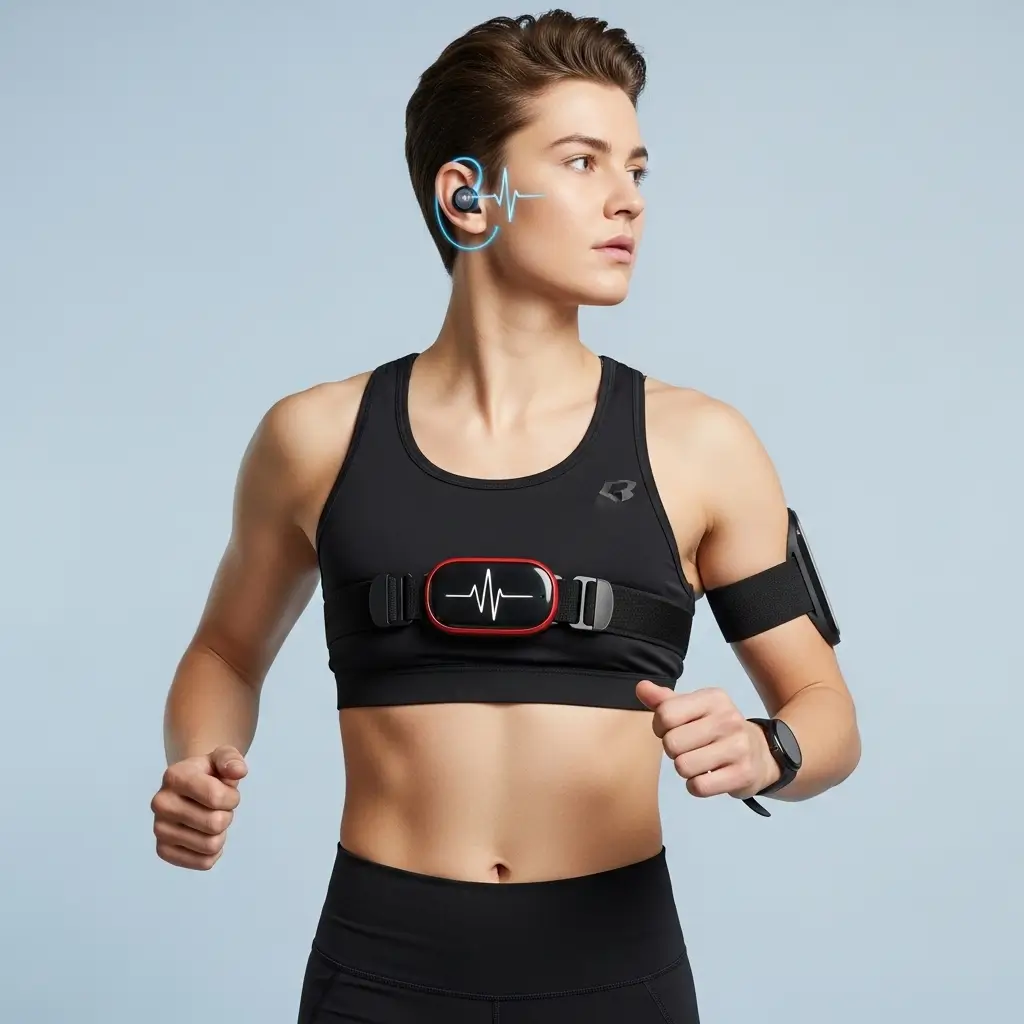
You need to clean your gear regularly. Earwax, dried sweat, and dead skin cells quickly cover the tiny optical sensor window. Grab a soft microfiber cloth and gently wipe the sensor after every single run. A dirty sensor guarantees inaccurate data and totally ruins your workout metrics.
Check Your Software Updates
Audio companies constantly refine the math that calculates your pulse. They push these algorithm improvements through regular firmware updates. Open your companion app regularly and install every single update you see. I fixed a massive accuracy issue on my own earbuds simply by tapping the update button.
Position Matters
Insert the earbud into your ear and give it a slight twist backward. This specific motion locks the device against the concha of your ear. It presses the sensor firmly against your skin. A loose bud gives you completely useless numbers. Always secure the earbud before you start sweating.
8. The Battery Life Trade-Off
Powering the Sensor
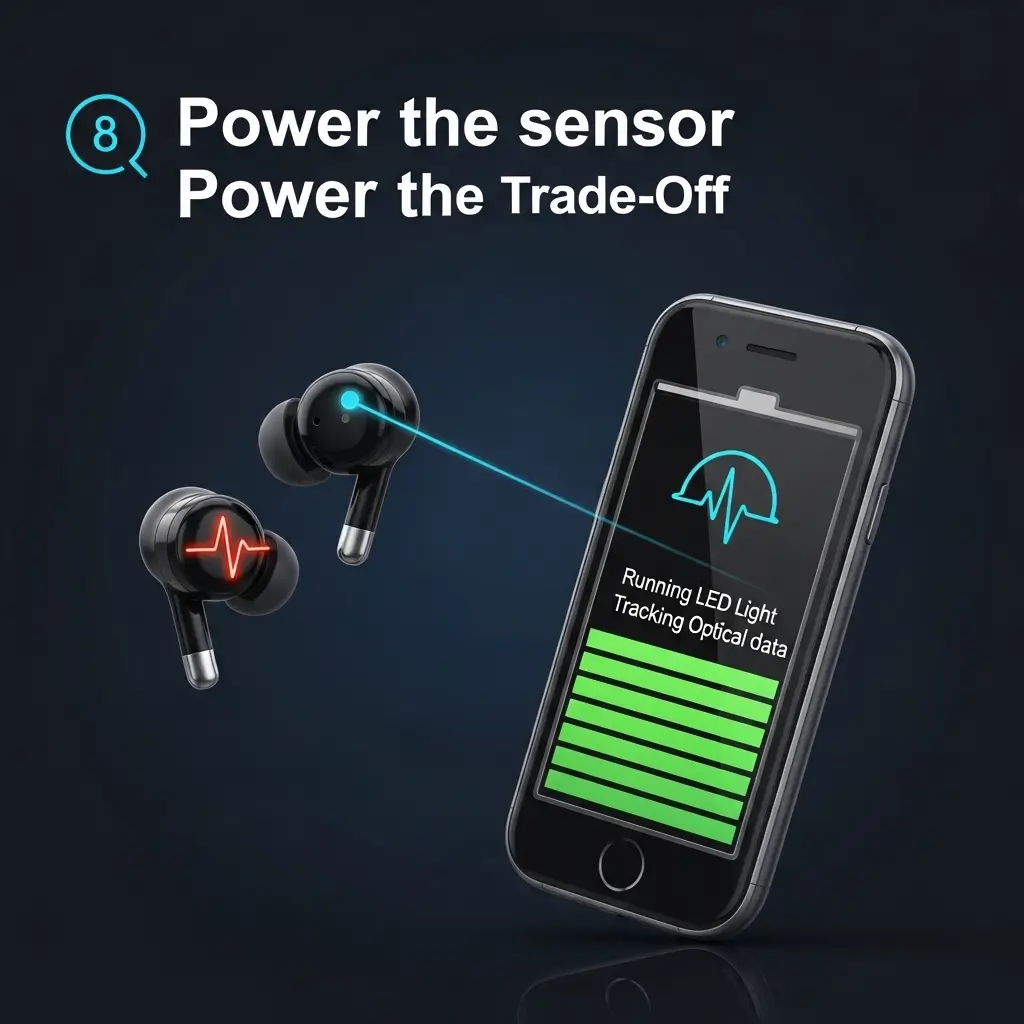
We need to talk about the one major downside to this technology. Running a continuous LED light and processing optical data drains your battery fast. Standard earbuds might last eight hours on a single charge. Heart-rate tracking earbuds usually die after four or five hours. The continuous biometric processing simply demands more electrical juice.
Managing Your Charge
You need to plan your charges accordingly. Always snap your earbuds back into their charging case immediately after your workout. Most premium cases hold three or four full charges anyway. I rarely run for more than two hours, so the shorter battery life never really bothers me. However, ultra-marathoners might find this limitation frustrating.
9. The Future of Hearables
Moving Beyond the Pulse
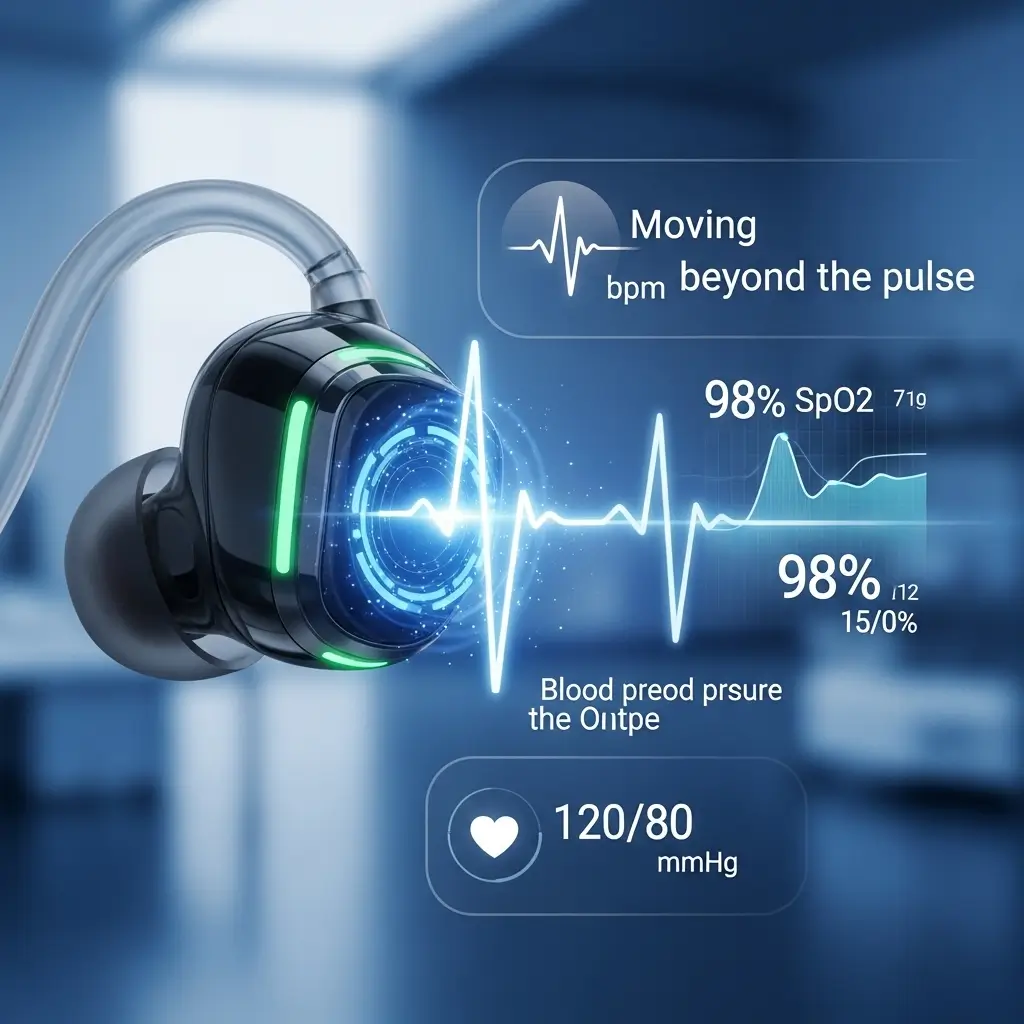
Industry experts call these smart earbuds “hearables.” They represent the next massive leap in wearable technology. Right now, they track your heart rate perfectly. Soon, they will measure your blood oxygen levels with medical-grade accuracy. Engineers even want to track your blood pressure straight from your ear canal.
A Tech-Filled Future
Can you imagine ditching the bulky blood pressure cuff completely? I welcome our new hearable overlords. We will soon rely on our headphones for far more than just listening to podcasts and blasting heavy metal. They will become our primary health diagnostic tools.
Conclusion
Headphones measure your heart rate by shining a tiny light into your ear and watching your blood pump. They use Photoplethysmography to turn those microscopic light reflections into highly accurate biometric data.
The ear actually provides a better, more stable environment for this tech than your wrist ever could. You get cleaner data, less interference, and one less device to strap to your body.
Have you tried working out with heart-rate tracking earbuds yet? Grab a pair, find the perfect silicone tip, and let your music player double as your personal fitness coach.