You know the struggle. You buy a pair of “universal fit” earbuds, pop them in, and within five minutes, your ears throb. Or worse, you turn your head slightly to the left, and your expensive tech goes tumbling onto the pavement. It feels like manufacturers design audio gear for giants, ignoring those of us with petite ears.
I have dealt with this for years. I’ve spent way too much money on gear that promised the world but delivered nothing but an earache. If you are tired of adjusting your earbuds every thirty seconds, you have come to the right place. finding the best headphones for small ears isn’t just about sound quality; it’s about simple, physical survival.
We need to talk about anatomy, specific features, and the few companies that actually care about comfort. Let’s fix your listening experience for good.
1. Why Do Most Headphones Feel Like Torture Devices?
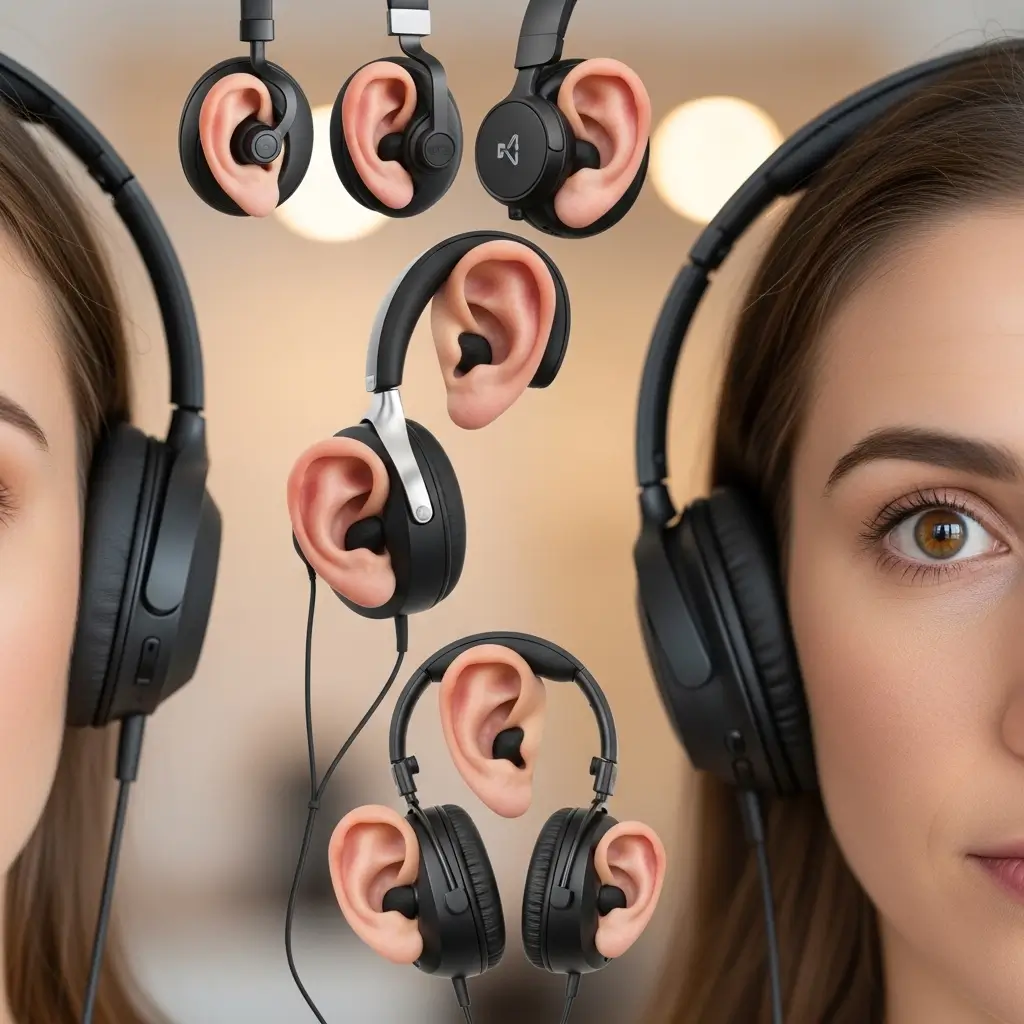
You aren’t imagining things. Most audio companies design their products based on “average” ear impressions. But averages are tricky. They often skew toward larger male ears, leaving a huge chunk of the population out in the cold.
The Myth of Universal Fit
“One size fits all” is the biggest lie in the tech industry. IMO, it’s just lazy engineering. When a brand says their hard plastic shell fits everyone, they really mean it fits people with cavernous ear canals.
If you have a narrow ear canal or a small concha (the bowl part of your ear), standard buds exert pressure on sensitive cartilage. This pressure cuts off blood flow slightly, causing that “hot spots” fatigue. You shouldn’t have to suffer just to listen to a podcast.
Gravity is the Enemy
For us, weight distribution matters more. If an earbud sits too far out of your ear, gravity pulls it down. Since our ears can’t grip the housing as tightly as larger ears can, the seal breaks. Then you lose bass response. Then the bud falls out. It’s a vicious cycle.
2. Earbuds vs. Over-Ears: Picking Your Poison
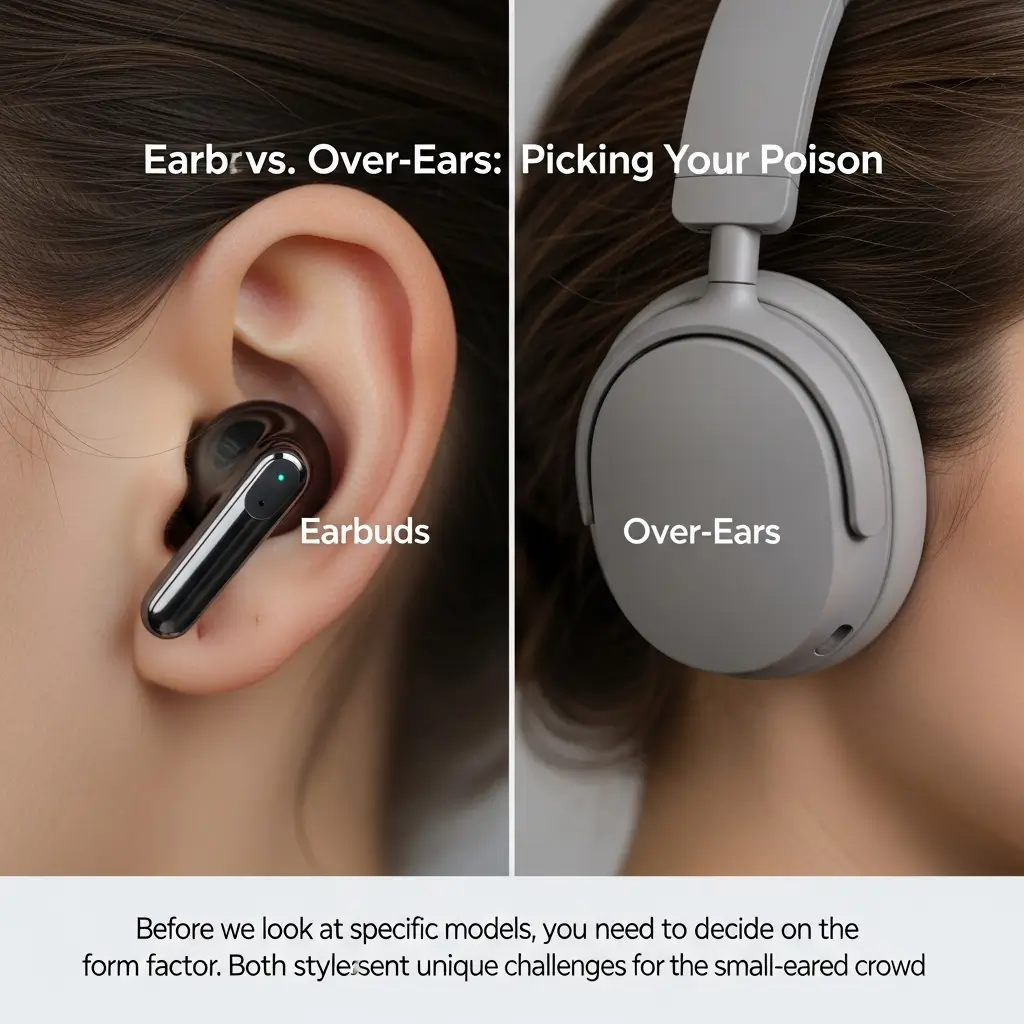
Before we look at specific models, you need to decide on the form factor. Both styles present unique challenges for the small-eared crowd.
True Wireless Earbuds (In-Ear)
These are the most convenient, but they are also the biggest offenders for causing pain. The entire device relies on jamming itself into your ear canal to stay put.
However, technology is shrinking. We finally have options that don’t look like Franken-bolts sticking out of our heads. If you want portability, you must prioritize housing size and nozzle diameter.
Over-Ear Headphones
You might think over-ears are the safe bet. Not always. If you have small ears, you likely have a smaller head size too. Many premium headphones have a weak clamping force or a wide headband.
If the headband is too big, the ear cups slide down your jawline. This ruins the seal and hurts your jaw. You need headphones with a tight clamp force and oval-shaped ear cups rather than massive circular ones.
3. Key Features to Look For (The Checklist)
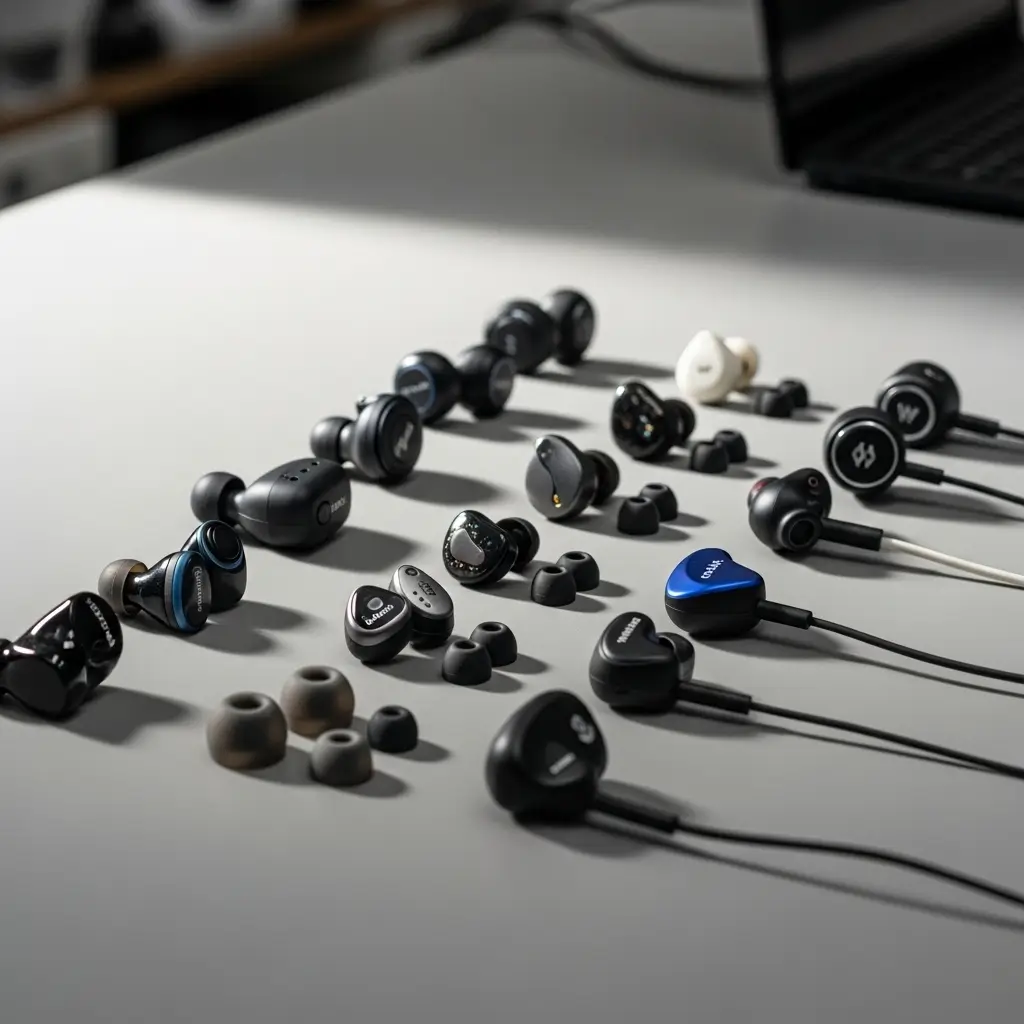
Don’t just buy the headphones with the most five-star reviews. Those reviewers probably have giant ears. Look for these specific specs instead.
- Housing Size: Look for “low profile” or “micro” designs. You want the bud to sit flush with your ear, not hang out of it.
- Nozzle Diameter: This is technical, but critical. A standard nozzle is about 5.5mm. You want something closer to 4mm or 5mm.
- Ear Tip Options: Does the box include XS or XXS tips? If it only goes down to “Small,” run away. That “Small” is usually a Medium in disguise.
- Wing Tips or Fins: These are rubber hooks that tuck into the upper fold of your ear. They take the pressure off the ear canal and distribute the weight.
- Weight: Anything over 6 grams per bud will likely fatigue your ear. Aim for 4-5 grams.
4. The Best Earbuds for Small Ears: My Top Picks
I have tested dozens of these. Most failed the shake test. However, a few stood out as genuinely comfortable for long listening sessions.
1. Sony LinkBuds S
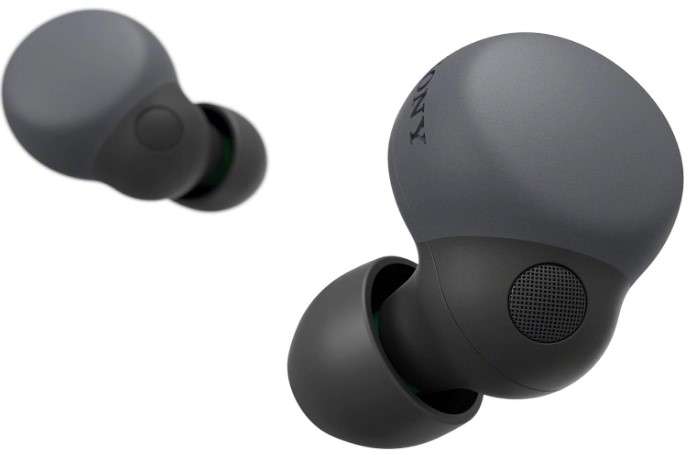
These are my current champions. Sony finally realized that not everyone wants a massive sphere in their ear (looking at you, XM4s). The LinkBuds S are incredibly light—about 4.8 grams.
They use a matte texture that adds grip, so they don’t slide out when you sweat. The nozzle is standard, but the housing is tiny. They nestle right into the concha without pushing against the tragus (that little flap in front of your ear canal). Plus, the noise canceling is stellar.

2. Apple AirPods Pro 2
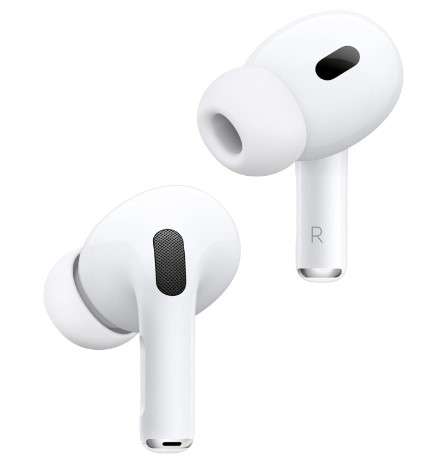
I know, I know. It’s the obvious choice. But Apple did something smart here. They include an XS ear tip right in the box.
The shape of the AirPod Pro is oval, not circular. This mirrors the actual shape of the ear canal much better than round tips. They also have a vent system that equalizes pressure. This prevents that “underwater” suction feeling that drives many of us crazy.
3. Google Pixel Buds Pro
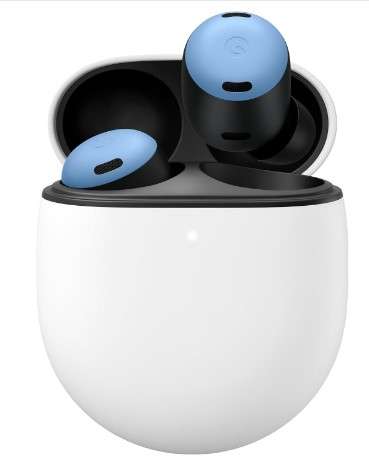
These are hit or miss, but for some small ears, they work wonders. Why? They don’t have a “stem” hanging down. They sit flush.
However, they rely on a slightly larger nozzle. If your canal is extremely narrow, skip these. But if your issue is the outer ear shape, these sit quite comfortably because they lack hard edges.
4. 1More Comfobuds Mini
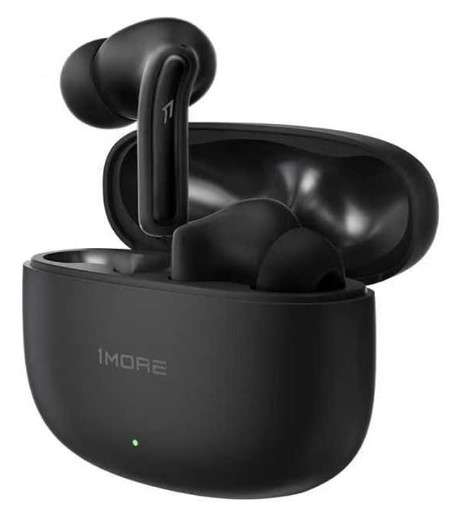
The name says it all. These things are microscopic. If you sleep with headphones in, get these. They virtually disappear into the ear canal. The sound quality isn’t audiophile-grade, but they fit where nothing else will.
5. The Best Over-Ear Headphones for Petite Heads
If you hate putting things inside your ears, over-ears are your sanctuary. But you need a pair that won’t slide around.
1. Bose QuietComfort Series (QC45 / QC Ultra)
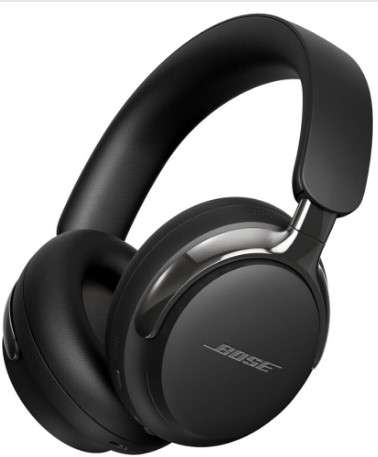
Bose is the king of comfort. I have worn my QCs for eight-hour flights without a single adjustment.
They use incredibly soft synthetic leather and angled ear cups. The cups are deep enough that your ears won’t touch the drivers inside, but the clamping force is gentle yet secure. The headband also adjusts to a very small size, making them perfect for smaller heads.
2. Sony WH-1000XM5
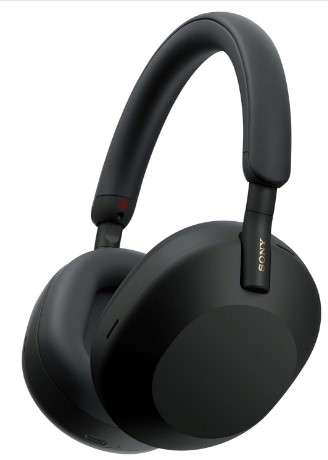
These are fantastic, but with a caveat. The headband is thinner than previous models. This reduces the “heavy” feeling on top of your head.
The ear cups are spacious and use a “soft fit leather.” They seal perfectly around smaller ears without crushing your glasses (if you wear them). Just be careful the headband extension is smooth, so make sure it holds its position.
6. The Secret Weapon: Aftermarket Ear Tips
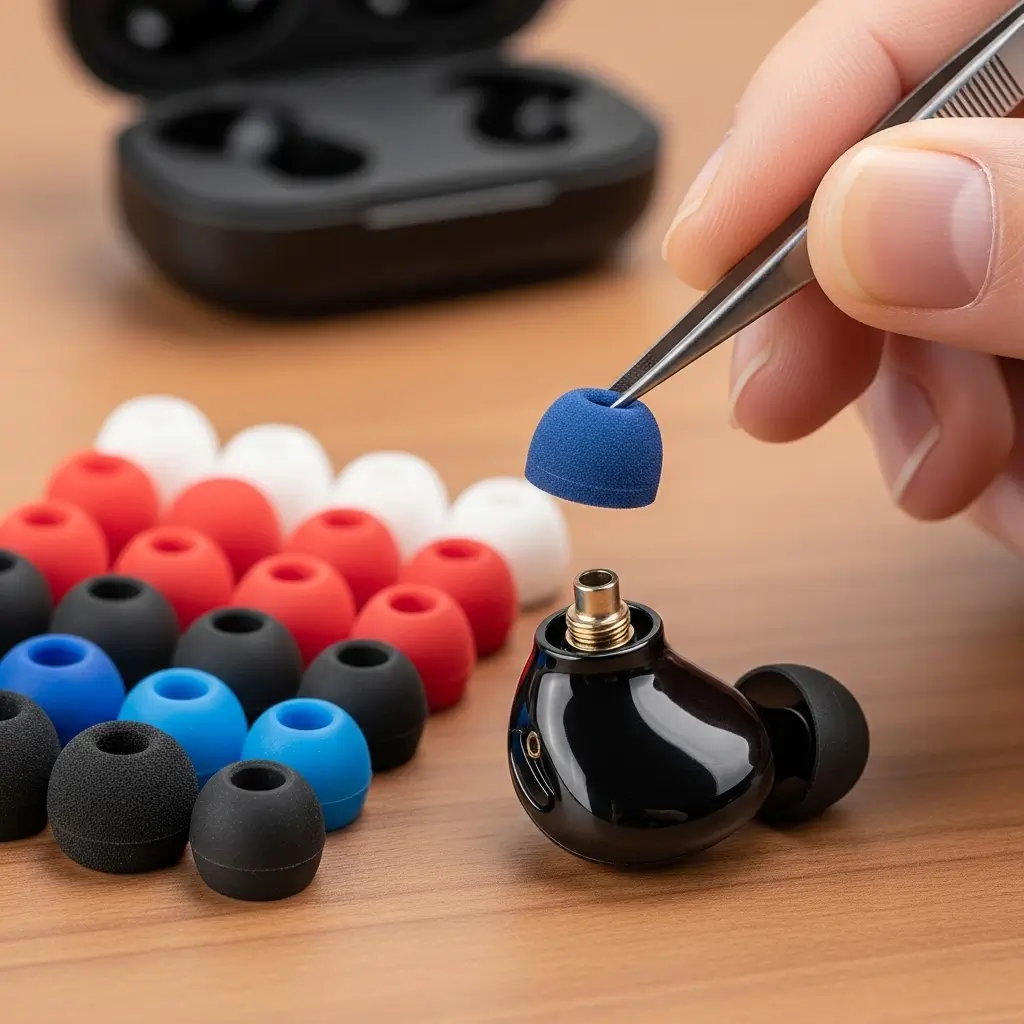
Here is the pro tip that changes everything. Sometimes, the headphones are fine, but the silicone tips are trash. Manufacturers use cheap silicone that gets slippery and causes irritation.
Don’t throw away your expensive buds. Upgrade the tips.
Comply Foam Tips
I swear by these. Comply makes memory foam tips that replace the stock silicone ones. You squeeze them, insert them, and they expand to fill your specific ear shape.
Because they are foam, they grip the skin better than silicone. They don’t slide out. They also create a perfect seal for bass. Just make sure you buy the specific model that fits your headphone’s nozzle.
SpinFit Tips
If you prefer silicone, look at SpinFit. These tips have a flexible “neck” that allows the tip to bend 360 degrees inside your ear.
This means the tip follows the curve of your canal rather than forcing your canal to straighten out. It drastically reduces pressure and pain. Their “CP1025” model is specifically designed for shallow fits and small ears.
7. Dealing with “Air Pressure” and Fatigue
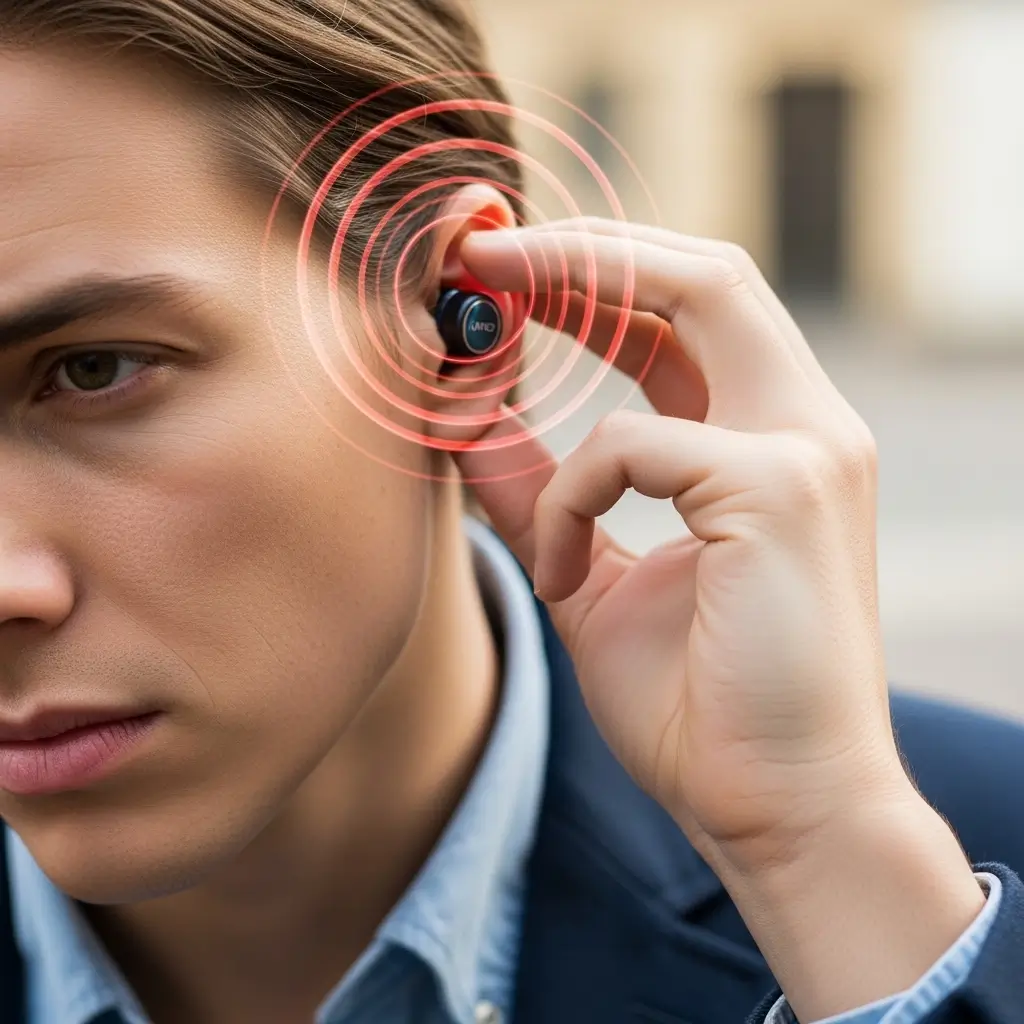
Ever put headphones in and feel a weird thumping in your head when you walk? That’s the occlusion effect. It happens when you seal off a small ear canal too tightly.
Look for Vents
High-end earbuds often include microscopic vents. These allow air to circulate between your ear canal and the outside world. This relieves pressure without ruining the noise cancellation. If you are sensitive to pressure build-up, vents are non-negotiable.
The Transparency Mode Hack
If you feel claustrophobic, turn on “Transparency” or “Ambient” mode. This uses the microphones to pump outside sound into your ear. It tricks your brain into thinking the ear is open, which reduces that stuffed-up feeling.
8. Wired vs. Wireless: Does it Matter for Fit?
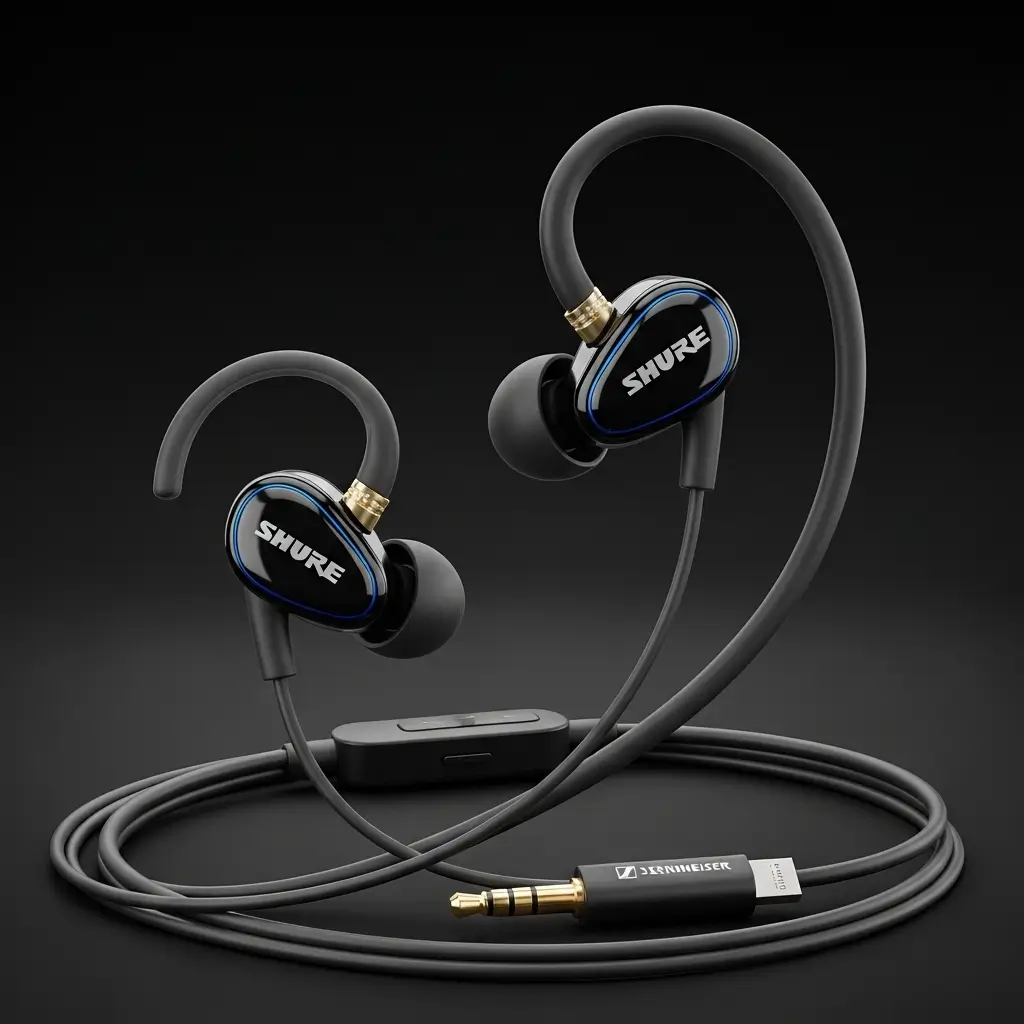
Actually, yes. Wired earbuds often have a smaller footprint because they don’t need to hold a battery and a Bluetooth chip.
If you don’t mind the cable (or the dongle life), look at “IEMs” (In-Ear Monitors). Brands like Shure and Sennheiser make professional monitors that loop over the ear. The actual part that goes in your ear is tiny.
Shure’s SE215, for example, is a classic. It was designed for musicians to wear on stage for hours. The nozzle is extremely thin, and the foam tips compress to almost nothing. If Bluetooth buds keep failing you, wired might be your salvation.
How to Test Headphones Like a Pro
You can’t just try them on for ten seconds. That tells you nothing. Pain usually sets in around the 20-minute mark.
When you get a new pair, keep the receipt. Do the chew test. Put the headphones in and eat something, or just simulate chewing. The movement of your jaw changes the shape of your ear canal.
If the earbuds pop out while you chew, they don’t fit. If the seal breaks every time you smile, they don’t fit. Return them. Don’t try to “get used to it.” You won’t. You’ll just end up with a drawer full of regrets.
Summary: Stop Compromising
You don’t have to tolerate pain for good audio. The market is finally catching up to the fact that humans come in different sizes.
Here is the quick recap for your next shopping trip:
- Prioritize weight (under 5g) and housing size.
- Check for XS tips in the box.
- Consider investing in Comply foam or SpinFit aftermarket tips immediately.
- If you go over-ear, stick to Bose or Sony for the best clamping force on smaller heads.
Finding the best headphones for small ears takes a bit of trial and error. But once you find that perfect seal the one that blocks out the world without hurting your cartilage it is magic.
Go forth and listen comfortably. Your ears deserve it.