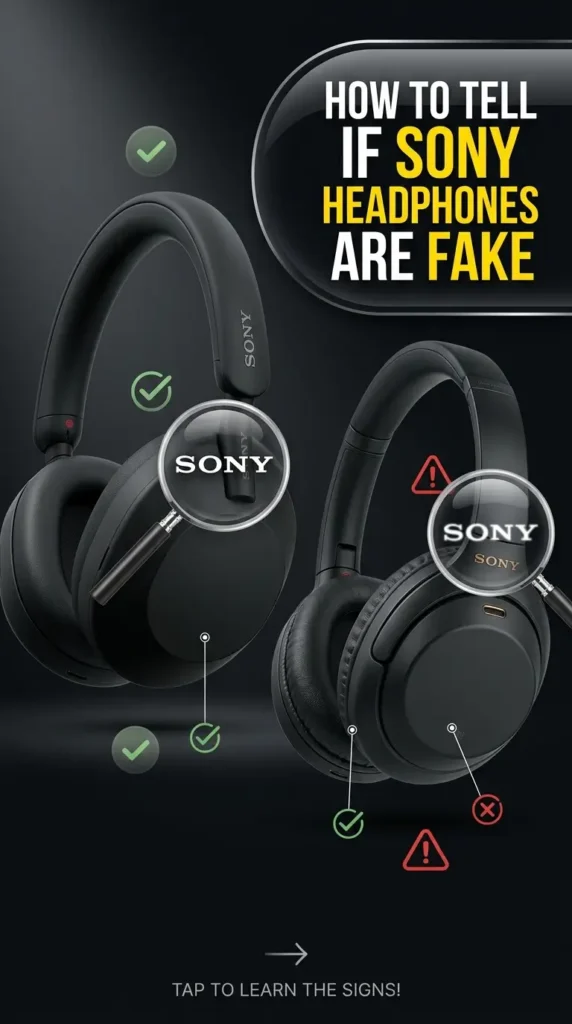
Nobody wants to drop top dollar on premium audio gear only to unbox a cheap plastic paperweight.
Scammers work overtime these days, pumping out counterfeit tech that looks frighteningly close to the real thing.
You find a deal online, click buy, and suddenly wonder if those shiny new Sony WH-1000XM5s actually came from a legitimate factory. Want to know how to spot the frauds before losing hard-earned cash?
Let us break down exactly how to verify genuine Sony equipment step by step.
Counterfeiters often rush the packaging process to save money on their end.
Sony crafts their boxes with precision, using high-quality cardboard and crisp, vibrant printing. You can usually spot a fake before even opening the box if you know exactly where to look.
1. The First Line of Defense: Inspect the Packaging
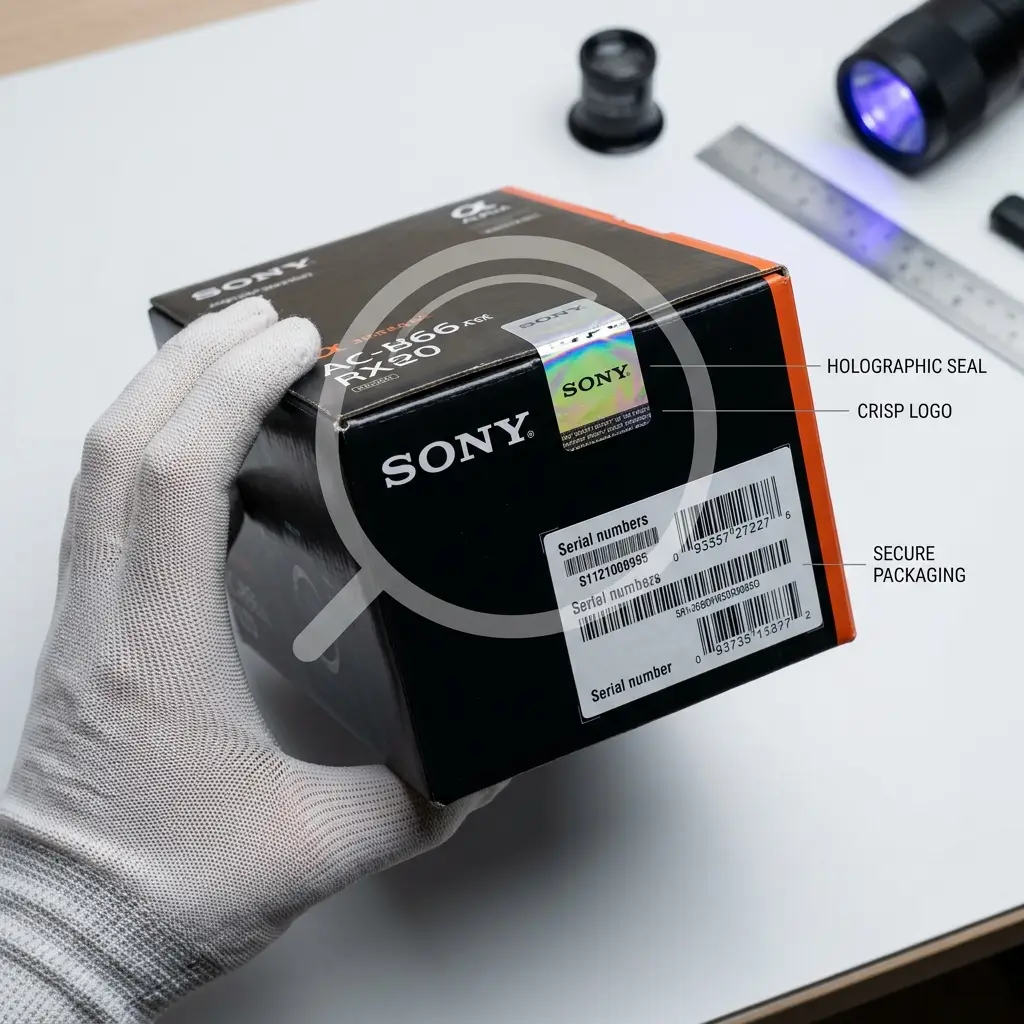
Packaging materials reveal the truth about your electronics almost instantly. Genuine companies spend millions perfecting the unboxing experience for their customers.
Scammers view the box simply as a necessary annoyance to ship their garbage. Pay close attention to the external details before you rip the plastic off.
Examining the Outer Shrink Wrap
Legitimate Sony products feature incredibly tight, seamless shrink wrap around the cardboard. Scammers usually use cheap cellophane that bags around the corners or shows messy heat-gun seals.
Run a finger along the edges of the plastic to test the texture. Real packaging feels smooth and professional, whereas fake packaging crinkles loudly and feels brittle.
Typos and Typography Disasters
You would think counterfeiters own spell-check, but they rarely use it.
Read the back of the box carefully to hunt for glaring mistakes. Look for spelling errors, strange grammar, or completely mismatched fonts.
Sony uses a very specific, clean typography for all their branding across the globe. Fakes often feature blurry text, slightly squished logos, or spacing issues that scream amateur hour.
Barcodes and Regulatory Stickers
Sony prints their barcodes on high-quality labels that align perfectly with the box guides.
Counterfeit operations just slap a low-resolution sticker wherever it fits on the cardboard.
You might also notice missing regulatory logos or outdated copyright dates on the bottom panel.
Do scammers really think consumers ignore the fine print? They do, and that laziness gives them away every single time.
2. Hardware and Build Quality: The Aesthetic Check
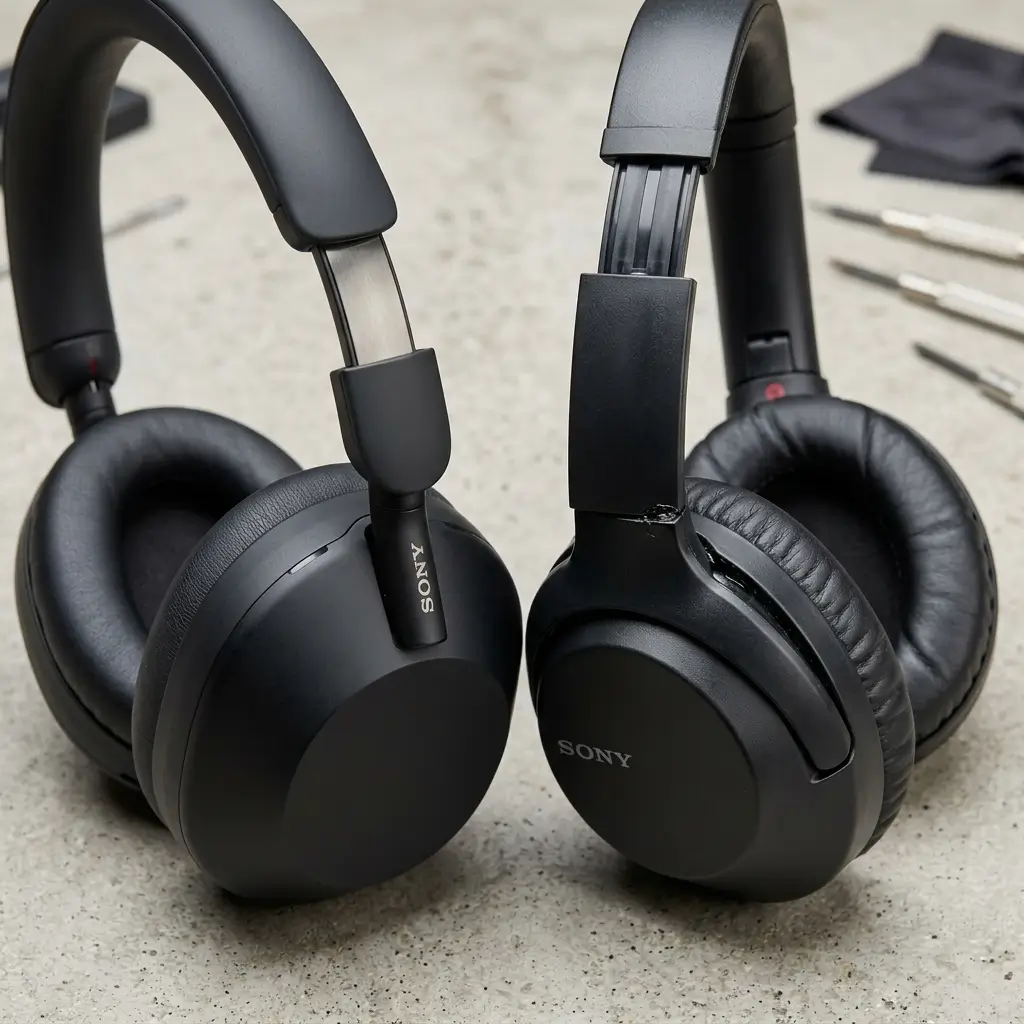
Headphones act as a massive fashion statement right now. Just scroll through TikTok, and you will see everyone rocking sleek over-ear Sony models as part of their daily outfits.
Scammers know this trend and try to cash in quickly on the aesthetic hype. However, fake hardware completely fails the physical test when you look closely.
The Weight and Balance Factor
Premium audio equipment carries a distinct, balanced weight. Sony packs their earcups with high-end drivers, massive batteries, and complex noise-canceling microphones.
Pick up the headphones and hold them in your hands. Fake units feel hollow and suspiciously lightweight compared to the real deal. Counterfeiters use cheap, thin plastics that squeak obnoxiously when you twist the headband.
Earpad Material and Comfort
Sony designs their earpads using specialized memory foam wrapped in premium synthetic leather.
The material gently compresses against your head and bounces back slowly when removed.
Fake models use stiff, cheap foam that feels rough and abrasive against the skin. You will sweat within five minutes of wearing them, ruining the entire listening experience.
Ports, Buttons, and LED Indicators
Examine the charging ports and control buttons carefully. Scammers constantly fail to replicate the tight manufacturing tolerances Sony requires for their hardware. Pay attention to these specific hardware details when checking your device:
- USB-C Port: Sony machines the charging port to sit perfectly flush with the exterior plastic casing.
- Tactile Buttons: Genuine buttons deliver a satisfying, firm click, whereas fake buttons rattle loosely inside the shell.
- LED Lights: Real Sony LEDs emit a soft, focused glow, but counterfeit lights look blindingly bright and bleed through the plastic seams.
3. The Ultimate Litmus Test: The Sony App
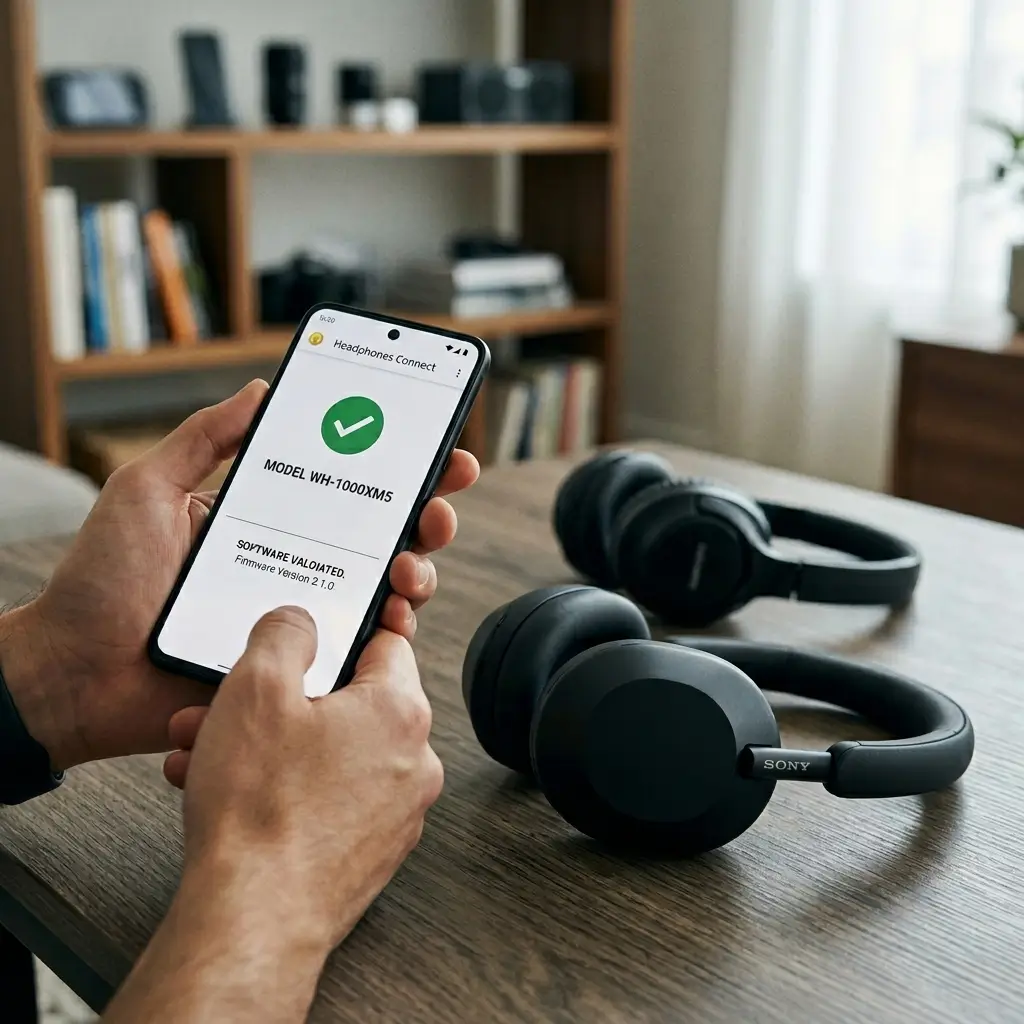
Software validation provides the absolute fastest way to identify a counterfeit product. Scammers copy the plastic shell easily, but they cannot replicate Sony’s proprietary software ecosystem.
This specific test separates the real tech from the garbage immediately. Grab your smartphone and prepare to expose the truth.
Pairing and Recognition Features
Download the official Sony Headphones Connect app from your phone’s app store. Turn on the headphones and attempt to pair them directly through the software interface.
- Instant Recognition: The app instantly identifies the exact model and color of genuine headphones.
- Battery Display: The software displays the accurate battery percentage immediately upon connection.
- Total Failure: Fake headphones simply refuse to connect to the app, even if your phone’s basic Bluetooth menu recognizes them.
Firmware Updates and Customization
Even if a highly sophisticated fake somehow tricks the app momentarily, it fails the firmware test. Sony pushes regular software updates to their devices to improve active noise cancellation and Bluetooth stability.
Counterfeit chips cannot process or install these proprietary firmware updates. Try adjusting the EQ settings or customizing the touch controls within the app interface.
Genuine hardware responds immediately to your commands, while fakes sit there completely unresponsive.
4. Audio Performance: Hearing the Difference

You buy headphones to listen to music, right? Sound quality remains the hardest element for thieves to copy accurately.
Sony invests millions in audio engineering to perfect their soundstage. Bootleggers spend pennies on generic, off-the-shelf speakers to maximize their profits.
The Bass and Treble Test
Put the headphones on and play a song you know perfectly. Genuine Sony drivers deliver tight, punchy bass and crystal-clear highs. You hear every individual instrument clearly separated in the audio mix.
Counterfeit headphones sound muddy, muffled, and aggressively loud without any real sonic depth. The bass sounds like someone hitting a cardboard box with a wet towel. Do you really want your favorite tracks ruined by five-dollar speakers?
Active Noise Canceling Failures
Sony dominates the audio industry with their legendary active noise-canceling technology. Put the headphones on without playing any music and activate the ANC feature.
Real Sony headphones create an immediate vacuum-like silence, blocking out air conditioning hums and background chatter.
Fake models just play a quiet, annoying hissing noise to simulate the effect. Some fakes simply increase the music volume to drown out the outside world entirely.
Microphone Clarity and Calls
Call a friend using the built-in microphones to test the voice isolation. Sony utilizes advanced beamforming technology to isolate your voice from chaotic background noise.
People on the other end hear your voice loud and clear, even in windy environments.
Fake microphones sound terrible, making your voice echo horribly. The person on the other end will think you are shouting from inside a tin can submerged in an aquarium.
5. Pricing, Retailers, and Shady Deals
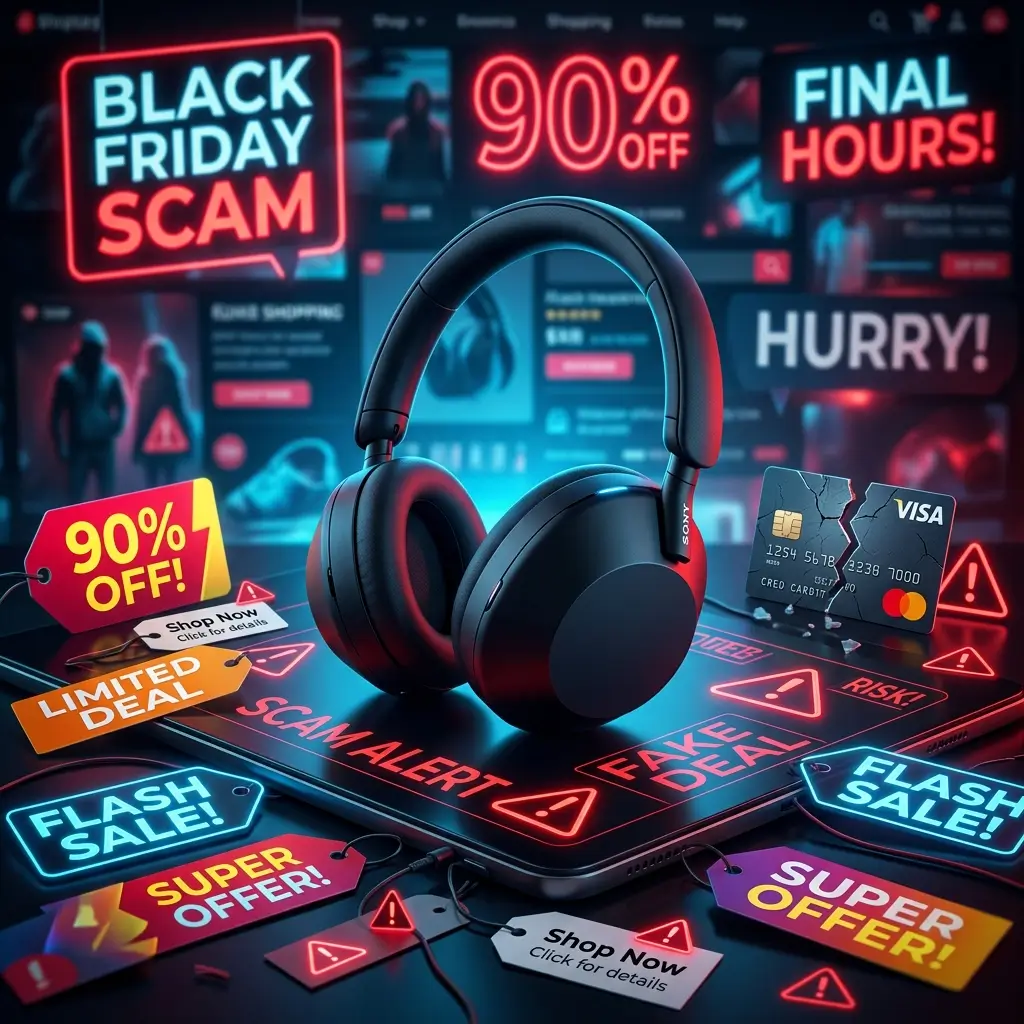
Sometimes the biggest red flag flies before you even touch the product.
The internet overflows with unbelievable deals that turn out to be total scams. You have to protect your wallet by shopping smart and avoiding obvious traps. Let us look at the financial warning signs.
The Suspicious Discount
Brand new Sony flagship headphones cost a premium price everywhere.
If you find a brand new pair listed for eighty bucks on a random marketplace, you absolutely face a scam.
Retailers rarely discount flagship models by more than a small percentage during major holidays. Drastic price cuts always indicate counterfeit goods or stolen property.
Why would a legitimate seller lose hundreds of dollars just to give you a great deal? They wouldn’t.
Evaluating the Online Seller
Stick to authorized retailers or direct purchases from the manufacturer. When shopping on massive online marketplaces, you must check the seller’s history meticulously.
Read the reviews carefully, looking for specific complaints rather than just checking the star rating. Fake sellers buy thousands of bot reviews to bury the angry comments from scammed buyers.
If multiple people mention terrible sound quality or suspicious packaging, close the tab immediately.
Refurbished and Second-Hand Risks
Buying used gear saves money, but it dramatically increases your risk of buying a fake. Ask the seller for detailed pictures of the headphones, the box, and the internal serial numbers.
Ask them to send a screenshot showing the headphones connected to the official Sony app. Honest sellers happily provide this proof to secure a quick sale.
Scammers vanish the second you ask for concrete verification.
6. Serial Numbers and Warranty Registration
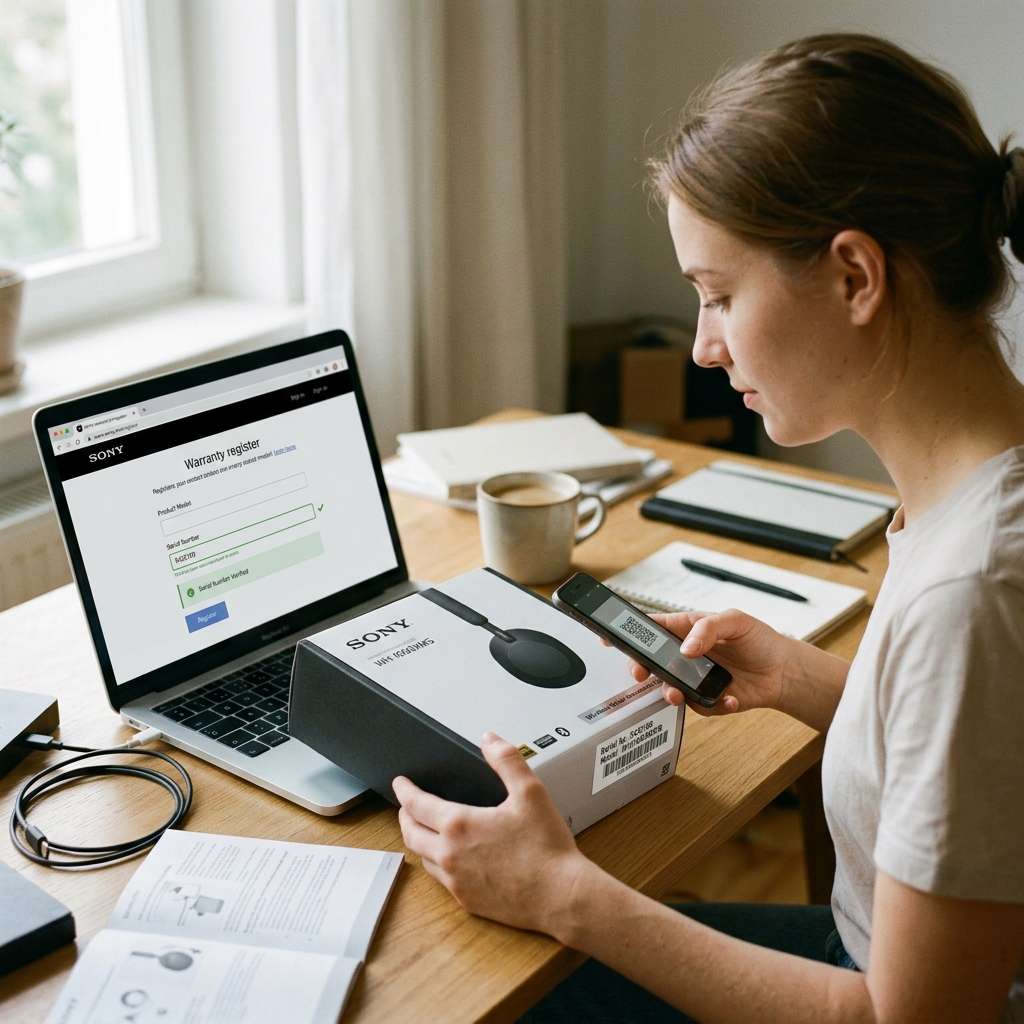
Sony tracks every single product they manufacture through unique identification numbers. You can use their internal tracking system to verify your purchase instantly.
Scammers try to copy serial numbers, but they often mess up the implementation entirely. This gives you another powerful tool for verification.
Locating the Serial Number
Find the serial number on the original box and compare it to the number printed on the headphones themselves. Sony hides this number cleverly, often placing it inside the earcup or under the headband slider. The numbers on the cardboard box and the physical hardware must match perfectly. Scammers frequently mix and match boxes and headphones, resulting in mismatched identification numbers.
Registering the Device Online
Take that serial number and head straight to the official Sony warranty registration website. Enter the details carefully and try to register the product under your account.
The system accepts authentic serial numbers and activates the warranty immediately.
If the website throws an error or states the serial number is invalid, you unfortunately hold a counterfeit product. FYI, sometimes counterfeiters steal one real serial number and print it on thousands of fake boxes.
7. Touch Controls and Voice Prompts
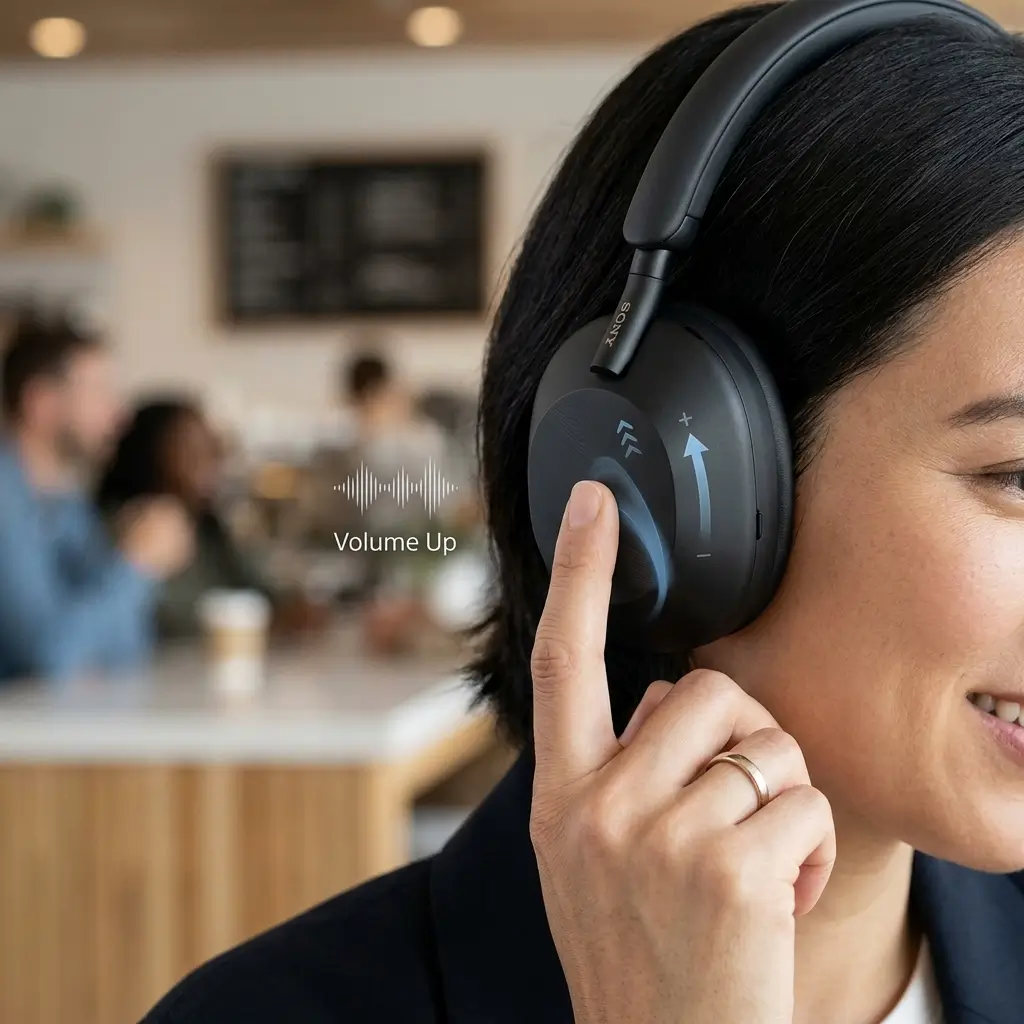
Modern Sony headphones feature intuitive touch panels on the right earcup for easy navigation.
You swipe up for volume, swipe forward to skip tracks, and tap twice to pause. Scammers fail miserably at recreating these seamless, responsive gestures. Test the controls to reveal the truth.
Touch Panel Sensitivity
Real touch panels respond instantly to light, gentle swipes. You slide a finger smoothly, and the volume increases without any lag.
Fake models require you to practically punch the side of your head to register a simple command.
The counterfeit touch sensors often mix up inputs completely. You swipe up for volume, but the cheap sensor skips your favorite song instead.
The Voice Assistant Quality
Put the headphones on and trigger the voice assistant or change the noise-canceling mode manually.
Genuine Sony headphones feature a smooth, professional digital voice that announces changes in modes or battery levels cleanly.
Listen closely to the accent and audio quality of this internal voice prompt. Fake headphones often use generic, poorly translated voice prompts that sound remarkably cheap.
Sometimes they speak in a completely different language or feature heavily distorted audio that sounds ripped from a cheap retro toy.
8. Accessories and Cables
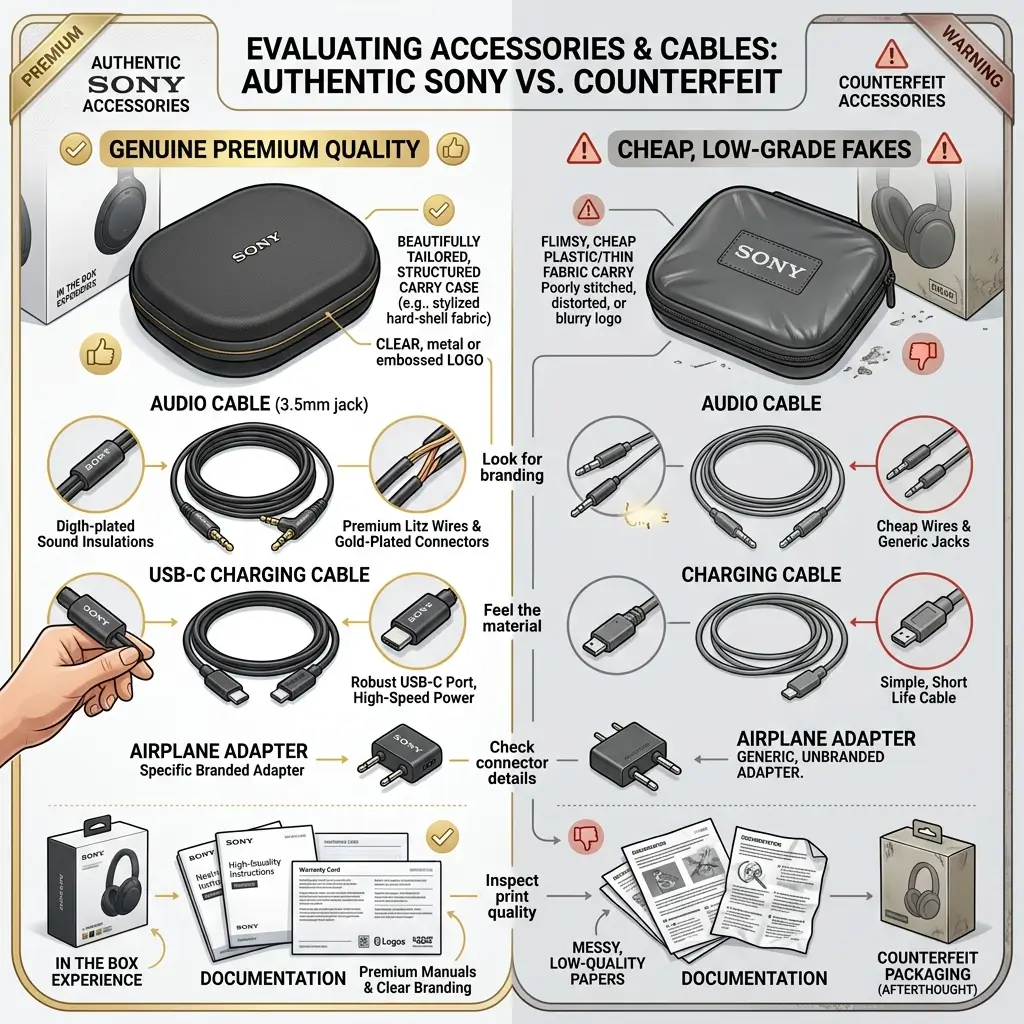
Do not ignore the extra items Sony includes in the box. The company provides high-quality accessories that complement their premium headphones perfectly.
Scammers treat the accessories as an afterthought, throwing cheap wires into the package just to fill empty space. Evaluate the extras to confirm authenticity.
The Carrying Case Construction
Premium models include a durable, custom-molded carrying case for travel protection. Sony designs these cases with sturdy zippers, high-quality fabric, and a precise internal layout.
The headphones fit perfectly inside without any forceful pushing or bending. Fake cases use flimsy zippers that catch constantly on the cheap exterior fabric.
The internal mold looks completely inaccurate, causing the headphones to rattle around loosely during transit.
Audio and Charging Cables
Inspect the included audio cable and the USB charging cord thoroughly. Sony tips their audio cables with high-quality gold plating to ensure clean signal transfer between devices.
The plastic housing around the connector features the Sony logo stamped cleanly and precisely. Counterfeit cables use cheap, dull metal and generic, unmarked plastic housing.
The USB cable in a fake box usually feels stiff and brittle, lacking the smooth, flexible rubber coating found on authentic wires. TBH, cheap cables break after just a few uses anyway.
9. What to Do if You Spot a Fake

You bought a pair, ran through all these detailed tests, and realized the awful truth.
The headphones fail the app test, sound terrible, and squeak when you hold them. Panic sets in, but you actually have excellent options to handle the situation. Take immediate action to protect yourself.
Contacting the Seller and Platform
Reach out to the seller immediately and demand a full refund for the fraudulent item. State clearly that the item completely fails the authenticity checks.
If you bought through a major platform, utilize their buyer protection programs right away.
Open a formal dispute and upload photos of the mismatched serial numbers, the spelling errors, and the failed app connection.
Platforms despise counterfeit sellers and usually side with the buyer when presented with this hard evidence.
Reporting the Fraudulent Operation
Report the seller to the platform administrators to get their digital store shut down permanently.
You protect countless other buyers from falling into the exact same financial trap. Shutting down a scammer’s operation feels incredibly satisfying.
You can also report the counterfeit operation directly to Sony through their corporate website. The company actively investigates large-scale fraud operations to protect their brand integrity and their loyal customers.
Conclusion
Spotting fake tech requires a little patience and a wonderfully sharp eye. Scammers constantly evolve their methods, but they always cut corners somewhere to maximize their dirty profits.
You hold the ultimate power to outsmart them by checking the packaging, scrutinizing the build quality, and relying heavily on the official software app.
Never let an unbelievably low price tag blind your common sense. Pay attention to the tiny details, test the audio thoroughly, and always trust your gut instinct.
You deserve the premium audio experience you paid for, not a hollow plastic imitation. Stay vigilant, shop smart, and enjoy your pristine, authentic soundscapes!